Haiti’s rare place in the World Cup conversation is not just a sporting milestone. It is also a reminder of how football can survive in places where daily life has often been disrupted by instability, fear and uncertainty. BBC Sport’s feature on the country looks beyond the result sheet and into the deeper meaning of qualification for a nation whose football story has been shaped by trauma as much as talent.
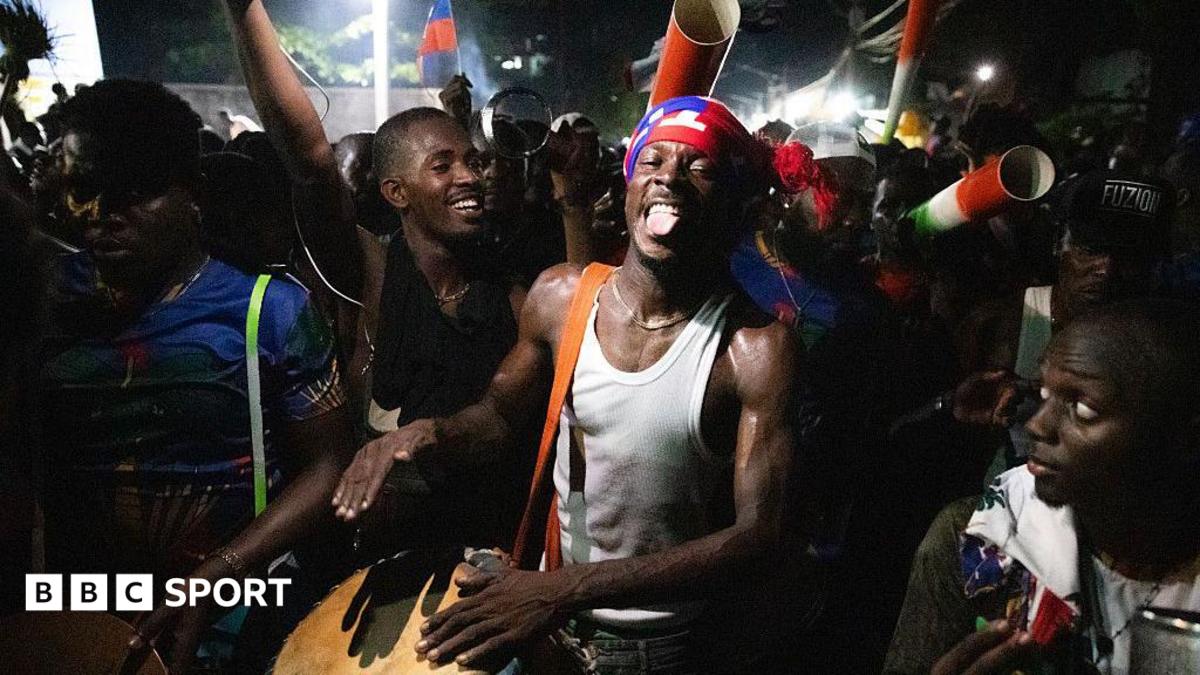
One of the most striking details in the source is the memory of Brazil’s visit to Port-au-Prince in 2004. At the time, Brazil were the reigning world champions, and their exhibition match in Haiti brought the capital to a standstill for two days. That image matters because it shows how powerful football can be in a country where the game has repeatedly had to compete with wider social and political pressures. For supporters, it was not simply a match; it was a rare moment of collective attention and shared identity.
Football as escape, identity and continuity
For Haiti, a World Cup appearance carries a significance that goes beyond the tournament itself. In countries with long football traditions, qualification is often judged through tactical systems, star names or knockout-stage ambitions. In Haiti’s case, the emotional weight is different. The achievement becomes a symbol of continuity: proof that the national game has endured despite the conditions around it.
That is why stories like this resonate so strongly with supporters. They are not only about whether a team can compete on the pitch, but whether football can still function as a source of hope when so much else feels fragile. The source’s emphasis on trauma and hope suggests that Haiti’s football identity is inseparable from the resilience of its people.
What it means for supporters and the wider game
For Haitian fans, a World Cup appearance offers visibility that can be rare for the country in global football coverage. It also gives younger supporters a reference point: a reminder that the national team can reach the game’s biggest stage even when the path is difficult. That matters in practical terms too, because international recognition can strengthen belief in the domestic game and in the next generation of players.
From an editorial perspective, this is the kind of football story that explains why the sport matters beyond trophies. Haiti’s journey is a case study in football’s social value: the game can reflect hardship, but it can also create moments of unity and pride that outlast the final whistle. BBC Sport’s feature captures that tension well, using a single historical memory to frame a much larger national story.
For News Goal readers, the takeaway is clear. Haiti’s World Cup presence is not just a football headline. It is a reminder that qualification can carry emotional and cultural meaning far beyond the pitch, especially for a nation where the game has had to persist through extraordinary circumstances.
Source note: This article was prepared using publicly available information from BBC Sport and expanded with editorial context.
Share this content: