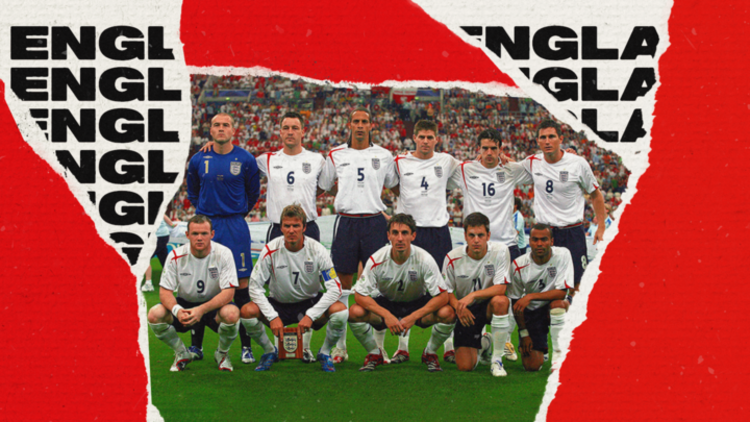
The phrase “golden generation” has long carried more weight than comfort in English football, and the BBC’s latest documentary uses that label as a starting point to examine why. Rather than treating the term as a compliment, the feature frames it as a burden that can distort expectations, intensify scrutiny and leave even successful teams measured against an impossible standard.
At the centre of the discussion is Rio Ferdinand, who is quoted saying he does not look back on that period with any happiness and describing the phrase itself as “stupid”. That reaction matters because it reflects a wider truth about England’s modern football story: talent alone has rarely been enough to satisfy the public mood, and the language used around elite squads can become part of the pressure they carry into major tournaments.
Why the ‘golden generation’ label still matters
For supporters, the term has always been loaded. It suggests a group of players so gifted that success should be inevitable, yet football rarely works that way. When a squad is branded as exceptional before it has achieved anything, every setback becomes a failure and every tournament exit becomes evidence of underachievement. The BBC documentary appears to revisit that tension directly, using England’s Euro 2022 triumph to ask how the national team moved from years of frustration to a moment of genuine breakthrough.
That context is important because it helps explain why the documentary’s title, The summer a golden generation lost its shine, is more than a nostalgic reference. It points to the way reputations can fade when results do not match the hype, and how the same label can feel flattering in one era and damaging in another. In English football, where expectations are often shaped by history as much as performance, that distinction is significant.
Euro 2022 as a turning point for England
The documentary relives England’s European Championship victory in July 2022, a landmark moment that changed the tone around the women’s team and gave the national side a major tournament title to build on. With captain Leah Williamson and manager Sarina Wiegman among the key figures featured, the film places the triumph in the broader story of how England’s identity has evolved under pressure.
For supporters, the relevance is clear. This is not only a look back at a trophy-winning summer, but also a reminder that success at international level is often shaped by mentality, structure and timing as much as individual quality. The BBC’s framing suggests that England’s story is as much about escaping old narratives as it is about winning matches, and that is what gives the documentary its football value.
In that sense, the piece is less about nostalgia than about perspective. It asks what happens when a team finally delivers, and whether the language used to describe it should change too.
Source attribution
Source: BBC Sport
Source note: This article was prepared using publicly available information from BBC Sport and expanded with editorial context.
Share this content: