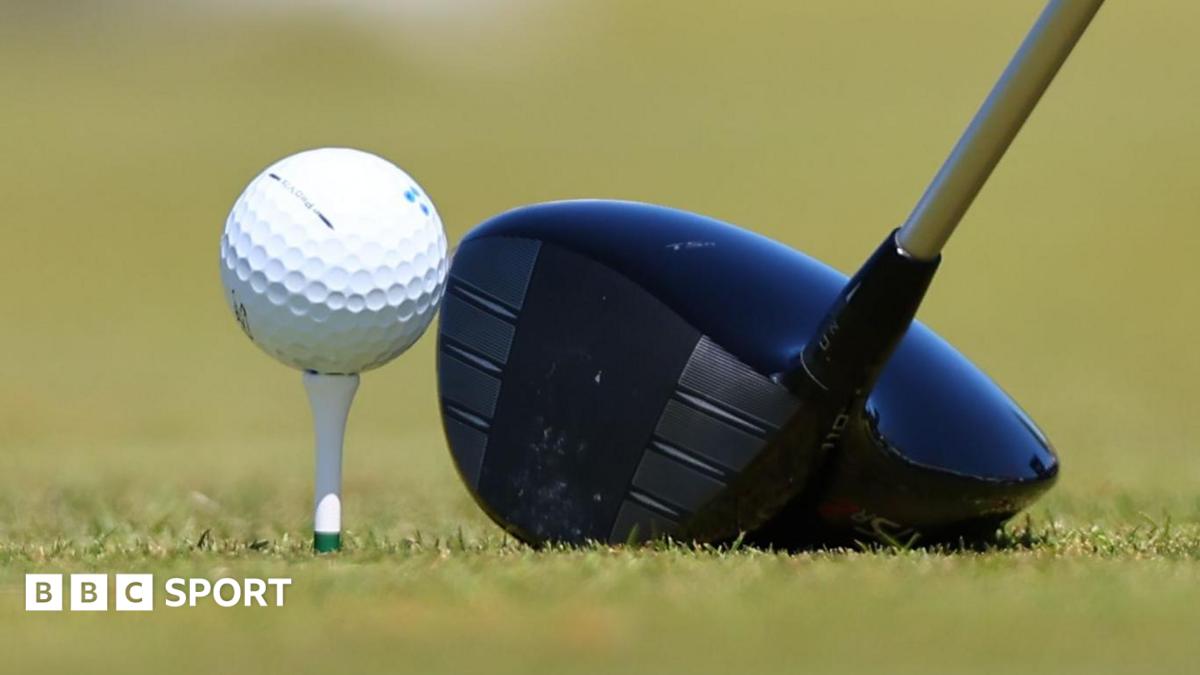
The long-running debate over golf’s increasing distance has taken another turn, with the R&A and the United States Golf Association deciding to pause their plans to restrict how far balls can fly in the professional game. Instead of moving immediately to a single rule change, the governing bodies are now weighing other options in an effort to find a solution that can win wider support.
That matters because distance has become one of the sport’s most contentious strategic issues. Longer hitting changes how courses are set up, how tournaments are defended, and how much value is placed on power compared with precision. For supporters, the argument is not just about equipment; it is about the future shape of elite golf and whether the game can preserve variety across different venues.
Why the pause matters
By putting the proposal on hold, the R&A and USGA have effectively acknowledged that any change to the golf ball will need broad agreement if it is to work in practice. The source makes clear that the governing bodies are still under pressure to produce a response to the distance problem, but the preferred route is no longer a straight line toward immediate restriction.
That approach suggests a more cautious process, one that could involve compromise between players, manufacturers, tournament organisers and the game’s rule-makers. In a sport where equipment changes can affect everything from course architecture to competitive balance, the stakes are high. A rule that is too aggressive risks backlash; one that is too soft may fail to address the issue at all.
What it means for the professional game
For the professional game, the delay keeps uncertainty in place. Players who rely on power will want clarity about whether future equipment rules could alter the way they compete, while those who favour traditional shot-making may see the pause as a missed opportunity to act more decisively. Either way, the debate is far from over.
The quote attributed to Whan underlines that point. He said it would be “crazy” not to take the time to see whether a joint solution could be found. That language reflects the scale of the challenge: this is not simply a technical adjustment, but a policy decision that could influence the sport’s competitive identity for years.
For golf fans, the immediate takeaway is that the issue remains unresolved. The governing bodies are still searching for a path that balances fairness, tradition and modern performance, and the next phase of discussion may prove just as important as the original proposal.
Until then, the distance debate stays alive — and so does the question of how golf wants to define itself in the modern era.
Source note: This article was prepared using publicly available information from BBC Sport and expanded with editorial context.
Share this content: