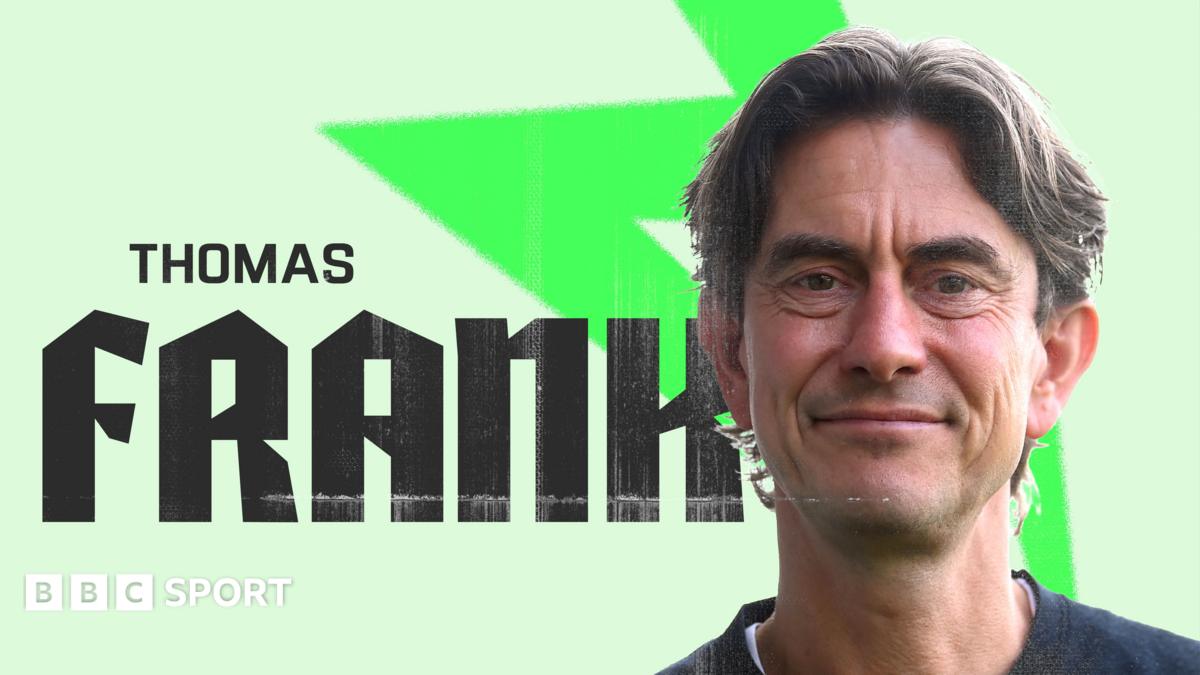
The World Cup is not just football’s biggest tournament; it is also one of the sport’s most durable memory banks. For managers, players and supporters alike, it leaves behind images that linger for decades, shaping how the game is understood long after the final whistle. That is the central idea behind the BBC Sport feature, which frames the tournament as something “stored in a hard disk” of the mind.
One of the article’s most striking details is the childhood memory of watching Denmark at Mexico 86. The matches were recorded overnight and then watched before school the next morning, a routine that will feel familiar to many football fans who grew up before live global coverage became effortless. It is a reminder that the World Cup has always been bigger than the 90 minutes on the pitch: it is about anticipation, family rituals and the sense that football can rearrange daily life.
Why the World Cup still matters to managers
For a manager, the tournament carries a different kind of pressure. It is not only about tactics, selection and in-game adjustments, but also about carrying the weight of expectation from an entire nation. The BBC’s framing suggests that the World Cup remains a reference point for how football people think about the game, because it compresses everything into a short, high-stakes format where one mistake can define a career and one great performance can become part of national memory.
That is why World Cup moments often outlive domestic league seasons. Supporters remember the emotional peaks: the shock of an upset, the brilliance of a standout player, the tension of knockout football. Managers, meanwhile, are forced to balance pragmatism with ambition, knowing that the tournament’s legacy is judged not just by results but by the identity a team projects on the biggest stage.
What this means for supporters
For fans, the article taps into something deeply recognisable. The World Cup is often the first tournament that turns casual viewers into lifelong football followers. It creates shared memories across generations, whether through late-night recordings, early-morning replays or the collective experience of watching a nation’s hopes rise and fall in real time.
That emotional pull is part of why the competition remains so powerful. Even as football changes tactically and commercially, the World Cup still feels like a time capsule of the sport’s best and most painful moments. The BBC piece captures that feeling well: the tournament does not simply happen and disappear. It stays with people, influencing how they watch, coach and talk about football for years afterwards.
In that sense, the World Cup is not only a competition. It is a memory machine, and for many in the game, those memories are impossible to erase.
Source note: This article was prepared using publicly available information from BBC Sport and expanded with editorial context.
Share this content: