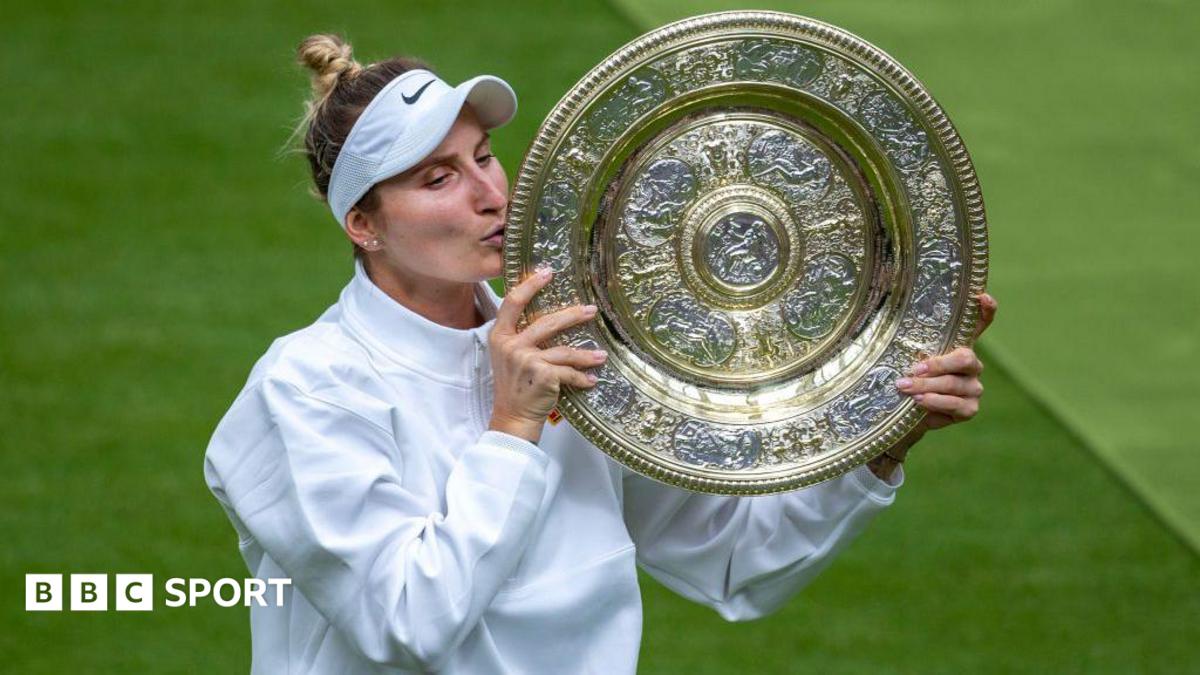
Former Wimbledon champion Marketa Vondrousova has been handed a four-year ban after refusing an anti-doping test last year, according to BBC Sport. It is a major disciplinary ruling involving one of the most recognisable names in women’s tennis, and it immediately shifts the conversation from on-court performance to regulation, compliance and the wider integrity framework that governs the sport.
The case matters not only because of Vondrousova’s profile, but because anti-doping enforcement sits at the centre of modern tennis. Refusing a test is treated seriously in elite sport, where the testing process is designed to protect both fairness and the credibility of competition. A sanction of this length is severe enough to remove a player from the tour for a significant period, with obvious implications for rankings, momentum and the ability to return at the same level.
What the ruling means
For Vondrousova, the practical impact is immediate and substantial. A four-year absence would normally span an entire competitive cycle, making it difficult to preserve match sharpness, ranking position and sponsorship value. For supporters, the news is a stark reminder that even established champions are not insulated from disciplinary action when anti-doping rules are involved.
From a broader tennis perspective, the ruling will also be read through the lens of deterrence. Governing bodies have long argued that testing obligations are non-negotiable, and cases like this tend to reinforce the message that refusal itself can carry heavy consequences. That matters for players across the tour, where the margin between routine compliance and career-altering punishment can be extremely small.
Why this is significant for the women’s game
Vondrousova’s status as a former Wimbledon winner gives the story added weight. Wimbledon champions are among the sport’s most visible figures, and disciplinary action against a player of that stature inevitably draws attention beyond the immediate case. It also creates uncertainty around how her career will be remembered if the ban stands and whether she will have a realistic route back into top-level tennis afterwards.
BBC Sport’s report does not provide further detail in the source text about appeals, the exact circumstances of the refusal or any response from Vondrousova. Those unanswered questions will shape the next stage of the story, but the headline fact is already clear: a former Grand Slam champion is facing one of the most serious sanctions available in the sport.
For now, the ruling is likely to dominate discussion among tennis supporters because it combines sporting significance with disciplinary gravity. It is a reminder that the off-court rules are as consequential as the results on court, especially when a player with major-title pedigree is involved.
Source note: This article was prepared using publicly available information from BBC Sport and expanded with editorial context.
Share this content: