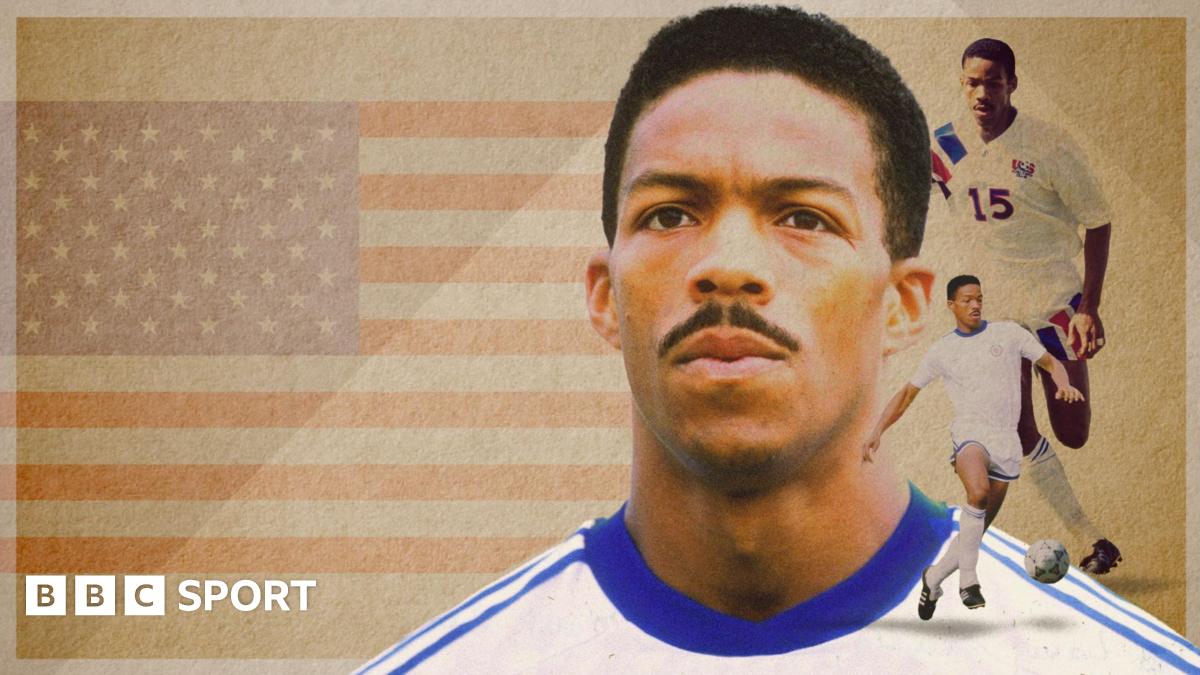
Desmond Armstrong’s place in United States football history goes well beyond one tournament appearance. At the 1990 World Cup in Italy, the 25-year-old defender stepped into a moment that carried symbolic weight for both the national team and the wider game in America. He became the first US-born black player to represent the United States at a World Cup, a landmark that still matters when the sport talks about representation, access and visibility.
The context is important. The USA were not simply competing at a World Cup; they were returning to the stage after a gap of four decades. That made every squad member part of a broader national story about football’s slow growth in the country. Armstrong’s presence added another layer to that story, because his selection and appearance reflected a changing picture of who could be seen on the biggest stage in the sport.
A milestone that carried meaning beyond one match
When Armstrong faced the media in Italy, the first question he was asked was not about the team’s return to the tournament. Instead, he was asked: “Why aren’t you playing basketball?” That question, as reported by the BBC, captured the assumptions that black American athletes often had to confront in a sporting culture where football was still fighting for recognition. Armstrong’s answer was not included in the source, but the moment itself says plenty about the environment he was operating in.
For supporters, this is the kind of history that helps explain why modern football conversations in the United States are about more than results. Representation matters because it shapes who feels the game is for them. Armstrong’s World Cup appearance was a visible sign that the national team was beginning to reflect a broader slice of American society, even if progress was still uneven and incomplete.
Why Armstrong’s story still matters for US football
From a football perspective, Armstrong’s significance sits at the intersection of sporting achievement and cultural change. The USA’s return to the World Cup in 1990 was a breakthrough in itself, but pioneers are often remembered because they carry meaning that extends beyond the scoreline. Armstrong’s achievement is part of the foundation on which later generations of American players have built a more diverse and more globally connected identity.
That matters to supporters because football history is not only made by trophies and finals. It is also shaped by the players who open doors, challenge assumptions and make the game feel more inclusive. Armstrong did that on one of football’s biggest stages. More than three decades later, his name remains tied to a turning point in the story of the United States men’s national team.
In that sense, the 1990 World Cup was not just a return to the global stage for the USA. It was also the moment one player helped redefine what American football representation could look like.
Source note: This article was prepared using publicly available information from BBC Sport and expanded with editorial context.
Share this content: