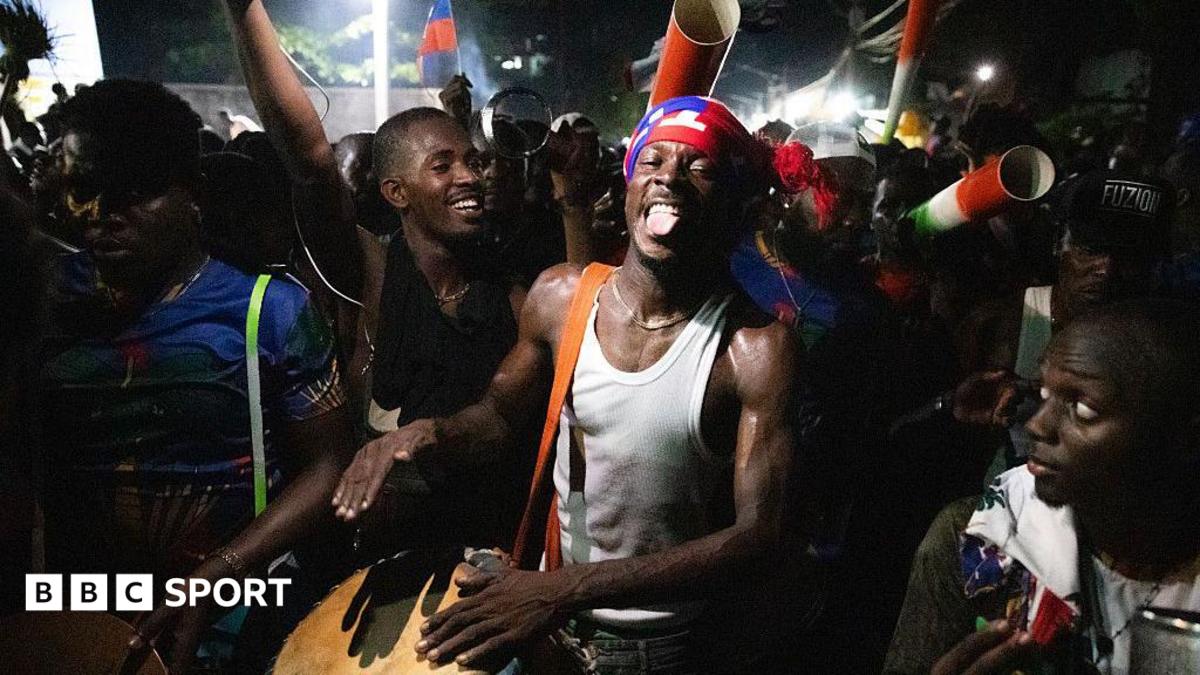
Haiti’s rare World Cup appearance is more than a sporting milestone. It is a reminder of how football can carry a nation’s hopes even when the wider backdrop is shaped by violence, instability and daily uncertainty. BBC Sport’s feature frames the story through that tension: the joy of qualification sits alongside the trauma that has defined life for many Haitians.
The source points back to a striking moment in 2004, when then world champions Brazil visited Haiti for an exhibition match. For two days, the violence stopped and the capital, Port-au-Prince, came to a standstill. That detail matters because it shows the scale of football’s emotional reach in the country. In a place where normal life can be interrupted by conflict, the game has often provided a rare shared experience that cuts across hardship.
Football as escape, identity and memory
For supporters, Haiti’s presence on the World Cup stage is not only about results. It is about visibility, dignity and the chance to see the national team represent a country too often discussed only through crisis. That makes every appearance feel larger than the tournament itself. It becomes a statement that Haitian football still has a place on the global map, even if the path there has been difficult.
From an editorial perspective, the significance is also historical. Haiti’s football story has always been tied to resilience. When a nation’s sporting moments are so rare, each one carries added weight. The World Cup is therefore not just a competition for Haiti; it is a platform for memory, identity and collective belief.
What it means for supporters now
For Haitian fans, this kind of coverage matters because it recognises the human side of the achievement. Qualification is not simply a line in a record book. It is the product of persistence in circumstances that make sporting progress harder to sustain. That context helps explain why the team’s journey resonates so strongly beyond the pitch.
There is also a broader football lesson here. The sport’s biggest tournaments are often judged by elite standards, but stories like Haiti’s remind supporters why international football still matters. It can reflect political reality, national pride and social hope all at once. In Haiti’s case, the World Cup appearance becomes a symbol of endurance as much as ambition.
BBC Sport’s feature is therefore best read as a piece about football’s power to hold meaning in difficult places. Haiti’s rare place at the World Cup is a sporting achievement, but it is also a moment of recognition for a country that has endured far more than the game can show on its own.
Source note: This article was prepared using publicly available information from BBC Sport and expanded with editorial context.
Share this content: