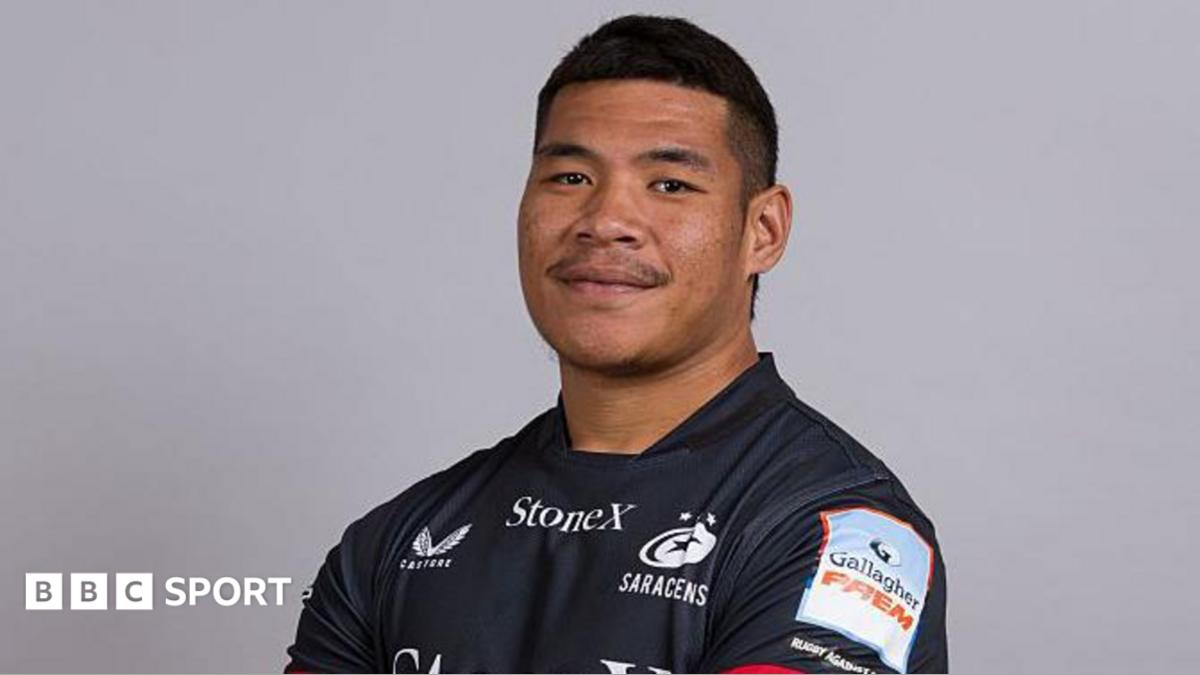
Jamie George has publicly criticised Saracens academy player Totoa Auvaa after the Samoan was involved in a nightclub incident that also featured England cricket captain Ben Stokes and bowler Gus Atkinson. The England rugby stand-in captain described the behaviour as unacceptable, while also suggesting the 21-year-old is still learning how to handle life in London.
For Saracens, the episode is more than a one-off disciplinary talking point. Clubs at the top level increasingly expect young players to manage their off-field conduct as carefully as their on-field development, especially when they are part of a high-profile environment. George’s comments underline how quickly a promising player can move from academy prospect to public scrutiny when an incident spills beyond the dressing room.
George’s warning carries weight
George is not speaking as a distant observer. With 110 caps for England, his view carries the authority of a senior international and a long-serving club leader. His description of Auvaa as a “rabbit in the headlights in London” suggests concern not only about the incident itself, but also about the pressure that can come with adjusting to a new city, a new culture and the expectations attached to professional rugby.
That matters for supporters because it offers a glimpse into how Saracens may handle the situation internally. The club has built its recent identity on standards, discipline and accountability, and any lapse involving a young player becomes a test of those values. George’s insistence that Auvaa is a “good kid” also hints that the response may be framed around education and support rather than simple punishment.
What it means for Saracens and England rugby
Although the source does not indicate any sporting sanction or selection consequence, the optics are significant. Saracens will want to protect the development of an academy player while also showing that off-field behaviour is taken seriously. For England rugby, the story is another reminder that senior figures are often asked to act as custodians of standards well beyond match day.
There is also a broader reputational angle. When incidents involve athletes from different sports, they tend to attract wider attention and can overshadow the work being done by young players to establish themselves. For Auvaa, the immediate challenge is not just to move on from the incident, but to show that he can respond maturely and continue progressing within a demanding professional setup.
For supporters, the key takeaway is that this is as much about development as discipline. George’s remarks suggest a player who still needs guidance, but also one who remains part of Saracens’ long-term picture if he can learn from the episode and settle into the environment around him.
Source note: This article was prepared using publicly available information from BBC Sport and expanded with editorial context.
Share this content: