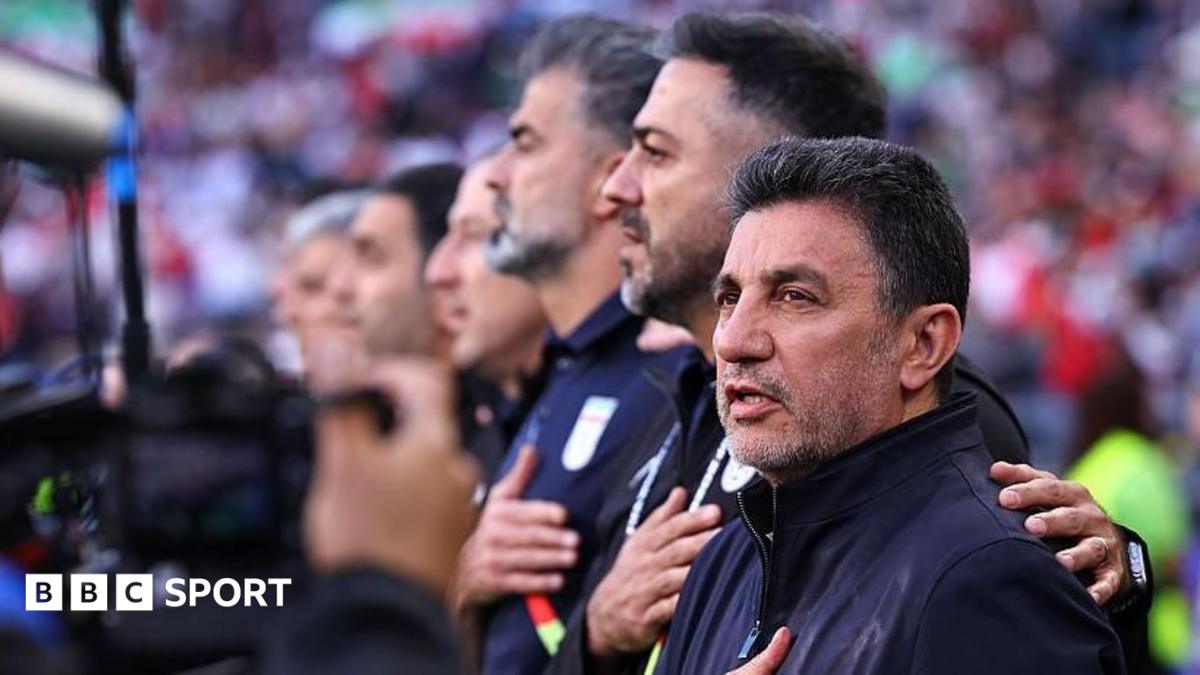
Iran coach Amir Ghalenoei has used a BBC Sport interview report to raise concerns about how his country were treated by the United States during the World Cup, describing the experience as unfair and urging Fifa to take a stronger role in future tournaments.
The comments are notable because they go beyond a simple complaint about one event. They speak to the wider tension that can surround international football, where politics, travel arrangements and off-field administration can shape how teams experience a major tournament just as much as what happens on the pitch. For Iran, a nation that has often had to navigate difficult external circumstances in global competition, the issue clearly remains sensitive.
Why the remarks matter for Iran
Ghalenoei’s intervention will resonate with supporters who want their national team to be treated on equal terms with every other participant. In tournament football, fairness is not only about refereeing decisions or results. It also covers the practical and organisational conditions that teams face before they even kick a ball. When a coach publicly says his side were treated unfairly, it can reflect a broader frustration about respect, access and consistency.
For Iran, the statement also reinforces the idea that the team’s challenges are not limited to footballing matters. That can have an impact on morale, especially when players and supporters feel the national side is being judged through a political lens rather than purely on sporting merit. Even without additional details in the report, the message is clear: Ghalenoei wants future World Cups to be managed in a way that removes avoidable friction.
Fifa pressure and the bigger tournament picture
By calling on Fifa to intervene, Ghalenoei has effectively pushed the issue from a national grievance into a governance question. That matters because Fifa is expected to protect the integrity of its competitions and ensure that all teams are treated consistently. If a coach believes that has not happened, the complaint becomes part of a wider debate about how the world game is administered.
Supporters will read this as more than a diplomatic soundbite. It is a reminder that international football can still be shaped by factors outside the lines, and that federations and tournament organisers are under pressure to prove that every team receives the same standards. For Iran, the hope will be that future World Cups are defined by football rather than controversy.
BBC Sport reported the remarks as part of its football coverage, with Ghalenoei’s comments adding another layer to the ongoing conversation about fairness, neutrality and the responsibilities of the sport’s governing body.
Source note: This article was prepared using publicly available information from BBC Sport and expanded with editorial context.
Share this content: