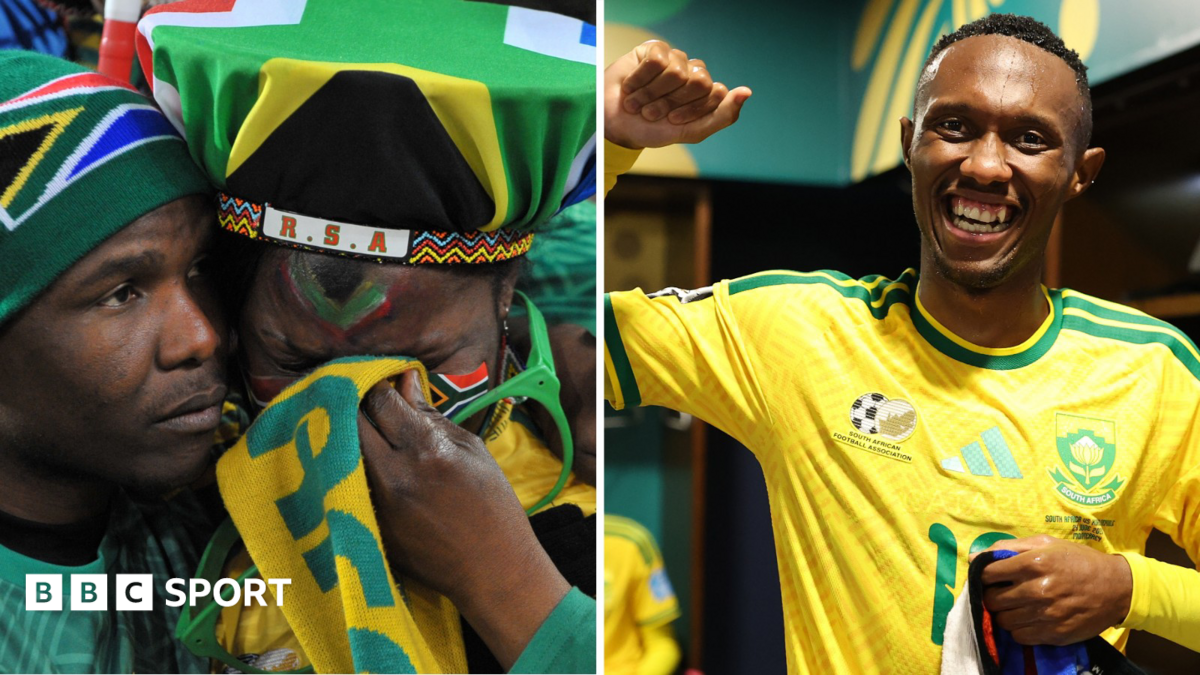
South Africa’s place in the World Cup knockout stage is a genuine landmark for the national team, but it also reopens a familiar conversation about what might have been in 2010. More than a decade after hosting the tournament, Bafana Bafana have finally broken through to the last 16, giving supporters a fresh reason to believe that the country’s biggest footballing stage can now be remembered for more than just the opening ceremony and the noise of the vuvuzelas.
The achievement carries extra weight because South Africa’s relationship with the World Cup has long been shaped by that home tournament. In 2010, the country became the first African nation to stage the competition, and the opening match against Mexico produced one of the most iconic moments in South African football history when Siphiwe Tshabalala scored the first goal of the tournament. The strike was famously described by a TV commentator as a “goal for all of Africa”, a line that captured the emotion of the occasion and the wider significance of South Africa’s role as hosts.
A breakthrough that changes the national conversation
Reaching the knockout phase for the first time is more than a statistical milestone. For South African football, it is evidence that the national side can now translate its talent and ambition into results on the global stage. That matters for a team whose international story has often been defined by near misses, inconsistency and the pressure of expectation whenever major tournaments arrive.
From a supporter’s perspective, this is the sort of progress that can reshape belief. Tournament football is unforgiving, and advancing from the group stage usually requires a blend of discipline, resilience and the ability to manage key moments. Even without the full detail of the route to the last 16 in the source material, the significance is clear: South Africa have achieved something they had never done before, and that alone changes the tone around the national team.
Why 2010 still matters
The 2010 World Cup remains central to South Africa’s football identity because it was both a celebration and a missed opportunity. Hosting the tournament gave the country a global platform, but the national team did not turn that stage into a lasting competitive breakthrough. That is why the current success feels symbolic as well as sporting. It suggests that the legacy of 2010 may finally be moving beyond memory and into measurable progress.
For Bafana Bafana, the challenge now is to make this moment count. A first knockout appearance is not the end of the story; it is the point at which expectations rise. If South Africa can build on this achievement, the team’s World Cup narrative may begin to look less like a reminder of what was once hosted and more like proof of what can be earned on merit.
For supporters, that is the real prize: not just reliving 2010, but seeing the national side create a new chapter that stands on its own.
Source note: This article was prepared using publicly available information from BBC Sport and expanded with editorial context.
Share this content: