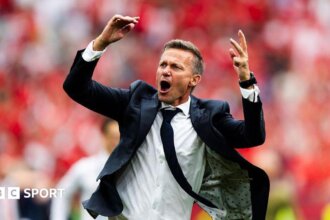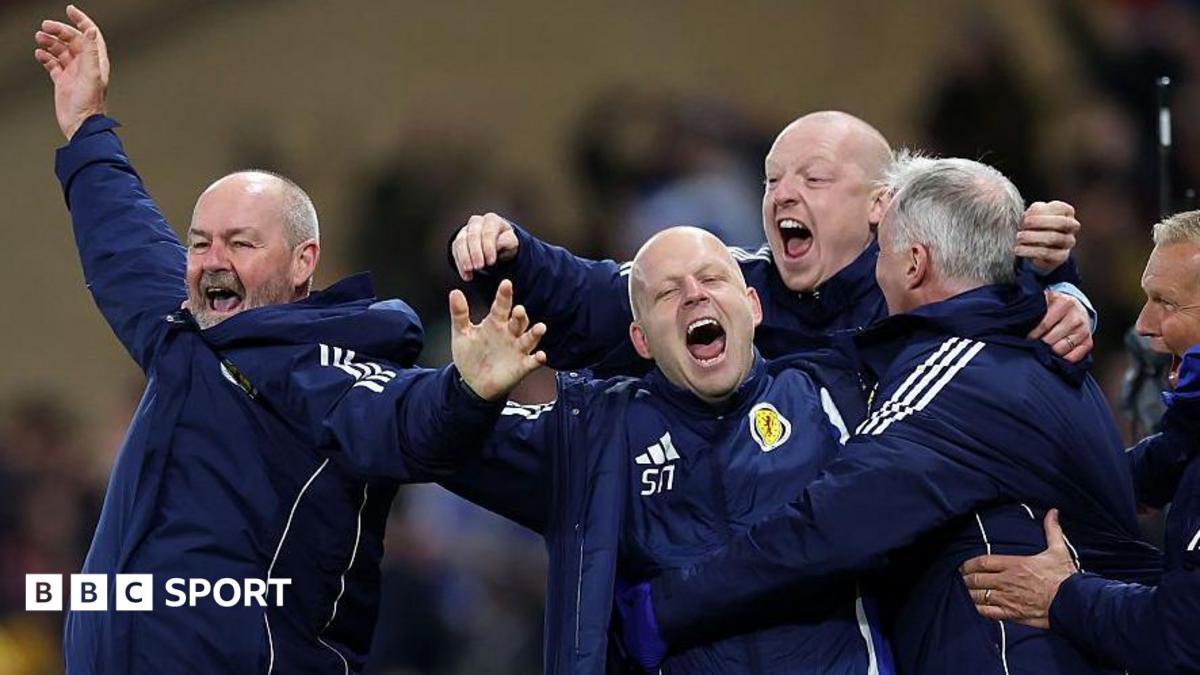
Steve Clarke’s exit has immediately shifted the focus from what he achieved with Scotland to what comes next. The BBC report makes clear that the search for a successor is already underway in public debate, and that the early conversation is being shaped by two broad possibilities: a high-profile coach from overseas or a figure with deep ties to Scottish football.
That framing matters because Scotland are not simply replacing a manager; they are deciding what kind of identity they want to carry into the next cycle. Clarke’s tenure gave the national team stability, structure and a clear competitive edge, so any successor will be judged not only on results but on whether they can preserve that sense of progress. For supporters, the choice will feel especially significant because international management is about more than tactics. It is also about trust, familiarity and the ability to connect with a squad and a fanbase that has grown used to higher expectations.
The case for an overseas appointment
An experienced coach from outside Scotland would likely be seen as a statement move. It would suggest ambition, fresh ideas and perhaps a willingness to challenge established habits. In modern international football, federations often look abroad when they want a different tactical voice or a manager with a record of handling pressure on a bigger stage. For Scotland, that could mean a more external perspective on squad selection, game management and tournament preparation.
But such a move would also come with obvious risks. A coach without a strong understanding of the domestic game may need time to adapt to the rhythms of Scottish football, the expectations around the national team and the emotional weight that comes with the role. In a job where margins are small, that learning curve can matter.
Why a Scotland icon would appeal
The alternative is a homegrown appointment, and that would carry a different kind of logic. A Scotland icon would arrive with instant credibility, a built-in understanding of the national setup and an ability to speak directly to supporters who want the team led by someone who knows the culture from the inside. That can be powerful in international football, where identity and unity often matter as much as reputation.
For the Scottish Football Association, the decision will likely come down to whether it wants continuity or a reset. Clarke’s departure leaves a significant legacy, but it also creates an opening to redefine the next era. Whoever takes over will inherit a squad and a supporter base that expect Scotland to remain competitive, organised and difficult to beat. The debate now is not just about names. It is about the direction of the national team itself.
What is already clear is that Clarke’s farewell has not closed a chapter quietly. It has opened a conversation about ambition, identity and the future of Scotland’s football project, with supporters now waiting to see whether the next appointment is a bold outsider or a familiar face.
Source note: This article was prepared using publicly available information from BBC Sport and expanded with editorial context.
Share this content: