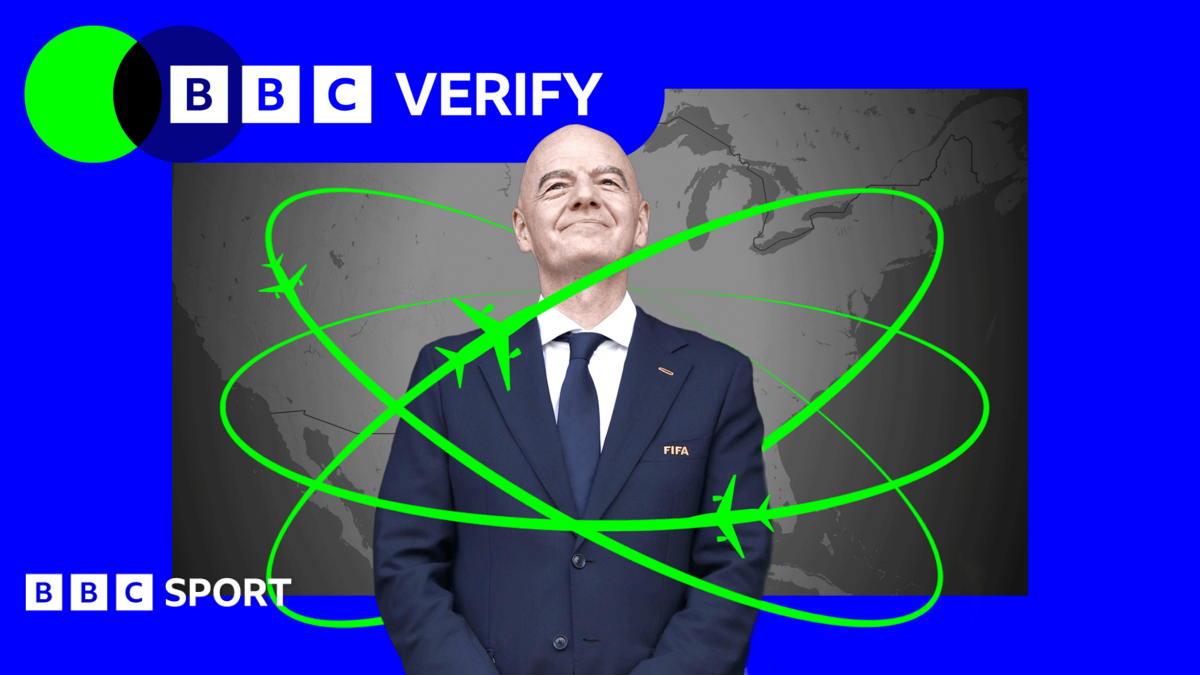
Gianni Infantino’s presence at 24 World Cup matches in just over two weeks has become a story in itself. According to the BBC, the FIFA president has criss-crossed North America throughout the tournament, logging 27 flights and thousands of air miles as he moves from venue to venue.
On one level, the travel reflects the scale of the World Cup and the demands of a tournament staged across a vast geography. FIFA’s top executive is expected to be visible at the game’s biggest event, especially when the competition is being used to showcase football’s reach in different cities and markets. But the sheer volume of travel also invites scrutiny, because the optics of a president constantly in transit can sit awkwardly with the sport’s growing focus on sustainability, efficiency and public accountability.
What Infantino’s schedule says about FIFA’s priorities
Infantino’s itinerary is notable not because presidents should stay away from major tournaments, but because the numbers are so striking. Twenty-four matches in a little more than two weeks suggests a deliberate effort to be seen across the event rather than anchored to one base. That can be interpreted as a sign of FIFA wanting to project authority and presence at every stage of the tournament.
For supporters, the issue is less about the logistics of one official’s travel and more about what it symbolises. FIFA has spent years trying to present itself as a modern, globally connected governing body. Yet repeated long-haul flights during a single tournament can feed the perception that football’s leadership is still operating on a different plane from the environmental and practical concerns increasingly shaping the game.
Why the optics matter for football’s governing body
The World Cup is not just a sporting event; it is also a showcase for FIFA’s brand. That means the behaviour of its president carries symbolic weight. When the head of the organisation is reported to have taken 27 flights in a short period, the story naturally becomes about more than attendance. It becomes about how football’s administrators balance visibility, convenience and responsibility.
There is no suggestion in the BBC report that Infantino’s travel is improper or unusual within the context of a major global tournament. But the scale of the movement is enough to ensure it will be discussed alongside the football itself. For many supporters, especially those already sceptical of FIFA’s leadership, the image of a president flying from match to match will reinforce familiar questions about priorities at the top of the sport.
As the World Cup continues, Infantino’s movements may remain a side story. Even so, they offer a useful reminder that modern football is judged not only by what happens on the pitch, but also by how its institutions choose to present themselves off it.
Source note: This article was prepared using publicly available information from BBC Sport and expanded with editorial context.
Share this content: