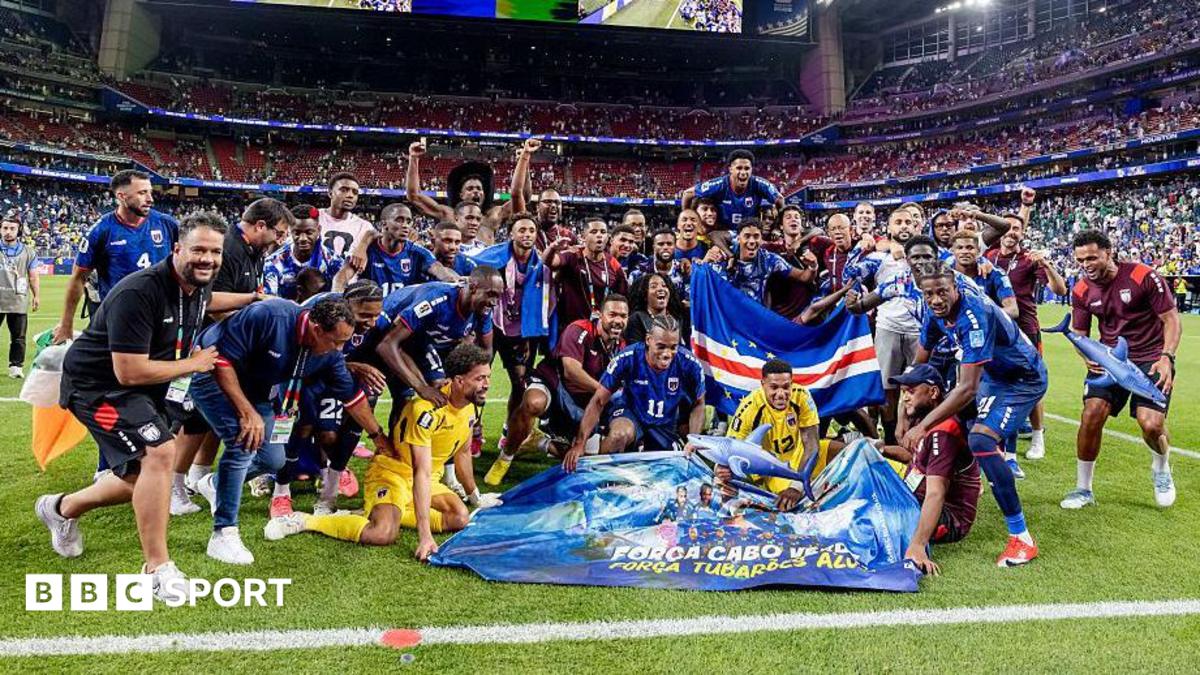
The World Cup has always been built on tension: one bad result can change everything, and the group stage has traditionally delivered that sense of danger from the opening whistle. BBC Sport’s latest football feature turns that idea over by asking a simple but important question: has the tournament’s new format actually improved the competition, or has it diluted the jeopardy that made the early rounds so compelling?
The article’s framing is telling. It highlights “great stories” and “new teams” as part of the appeal, but sets that against the concern that there may now be “little jeopardy” in the group stage. That tension matters because the World Cup is not judged only by the quality of the football; it is also judged by the stakes attached to every match. For supporters, that is the difference between a tournament that feels alive and one that can drift into predictability.
What the new format changes
According to the BBC’s piece, the discussion centres on the revised World Cup group stage and the way it has altered the rhythm of the competition. More teams and more storylines can broaden the tournament’s reach, giving supporters from different regions a stronger reason to stay engaged. That can be a major positive for the global game, especially when the World Cup is meant to showcase football beyond the traditional powers.
But there is a trade-off. When the format reduces the risk of early elimination, the group stage can lose some of its edge. That is not just a theoretical concern. Tournament football relies on urgency, and urgency is what creates drama, tactical caution, late goals and the emotional swings that define major international events. If more sides feel they can recover from a slow start, the competitive pressure changes.
Why supporters should care
For fans, the debate goes beyond structure and into identity. The World Cup is one of football’s few events where every match can feel like a national occasion. Supporters want access to more teams and more narratives, but they also want the sense that each game matters. The BBC article captures that balance by asking whether the new format has delivered enough excitement to justify the reduced jeopardy.
That question is especially relevant in modern tournament design, where organisers are often trying to expand the event without losing its intensity. The challenge is obvious: more participation can mean more inclusion, but inclusion does not automatically guarantee better football. The best tournaments tend to combine both, offering broader representation while preserving the pressure that makes knockout football so gripping.
In that sense, the BBC’s feature is less about a single match or team and more about the future feel of the World Cup itself. If the new format produces memorable underdog runs, sharper tactical battles and genuine late-stage tension, it will be easier to defend. If it creates too many matches without enough consequence, critics will continue to argue that the tournament has traded drama for volume.
For now, the debate remains open. The article points to the positives of fresh storylines and wider representation, but it also underlines the central concern: a World Cup without enough jeopardy risks losing part of what made it special in the first place.
Source note: This article was prepared using publicly available information from BBC Sport and expanded with editorial context.
Share this content: