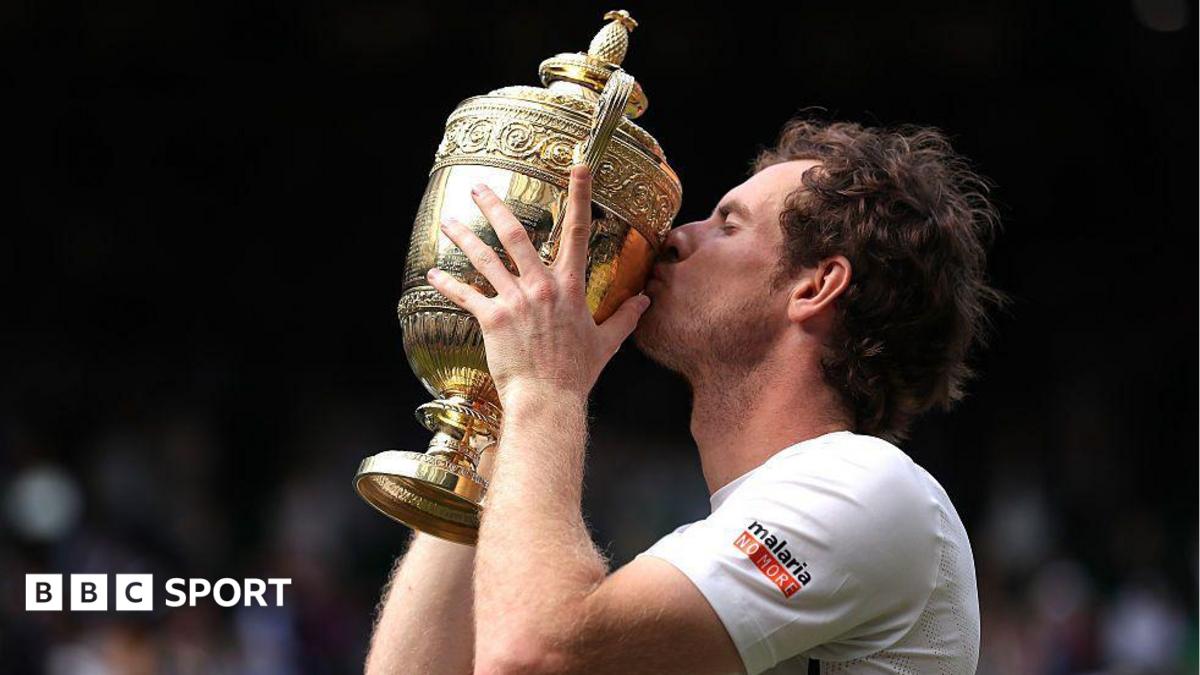
July 2016 was one of those rare sporting moments when several strands of British life seemed to converge. The country had just voted over Brexit, Leicester City had completed one of the most unlikely Premier League triumphs in modern football, and England were holding the Ashes. Against that backdrop, Wimbledon became the stage for a weekend that briefly made British tennis feel bigger than the sport itself.
The BBC Sport article revisits the moment through the lens of five Wimbledon titles won in a single weekend, a run that captured the attention of supporters far beyond the usual tennis audience. The significance was not only in the number of trophies, but in what they represented: a surge of home success at the most prestigious grass-court event in the world, at a time when British sport was already feeding off a wider sense of momentum.
A rare peak for British tennis
British tennis has often lived in the shadow of football and cricket, with major breakthroughs tending to arrive in isolated bursts rather than sustained waves. That is why a Wimbledon weekend like this matters so much in the national memory. It offered a feeling of depth, not just one headline name carrying the load, and it suggested that the sport could produce multiple winners on its biggest stage.
For supporters, the emotional impact was obvious. Wimbledon is not just another tournament in the calendar; it is the one event where British players are expected to carry extra meaning. When the titles started to accumulate, the atmosphere around the championships shifted from routine summer coverage to something closer to a national sporting celebration.
Why the moment still matters
Looking back, the weekend stands as a reminder of how quickly expectations can rise when success arrives in clusters. In football terms, it is the difference between a single upset and a genuine run of form: one result can excite, but several together change the conversation. That is what happened to British tennis in July 2016. The sport was not just winning matches; it was creating belief.
The broader context also matters. Britain in 2016 was already in a period of uncertainty and transition, which made sporting success feel even more resonant. Wimbledon offered a clean, familiar stage where results were decided on merit and where home interest could be measured in real time. For a weekend, British tennis had the kind of visibility and emotional pull that most sports spend years trying to build.
That is why the BBC’s reflection on the five-title weekend still has relevance. It is not simply a nostalgic look back at a strong Wimbledon. It is a reminder of how a single event can alter the way a sport is perceived, even if only temporarily, and how supporters remember those moments when everything seems to align.
Source note: This article was prepared using publicly available information from BBC Sport and expanded with editorial context.
Share this content: