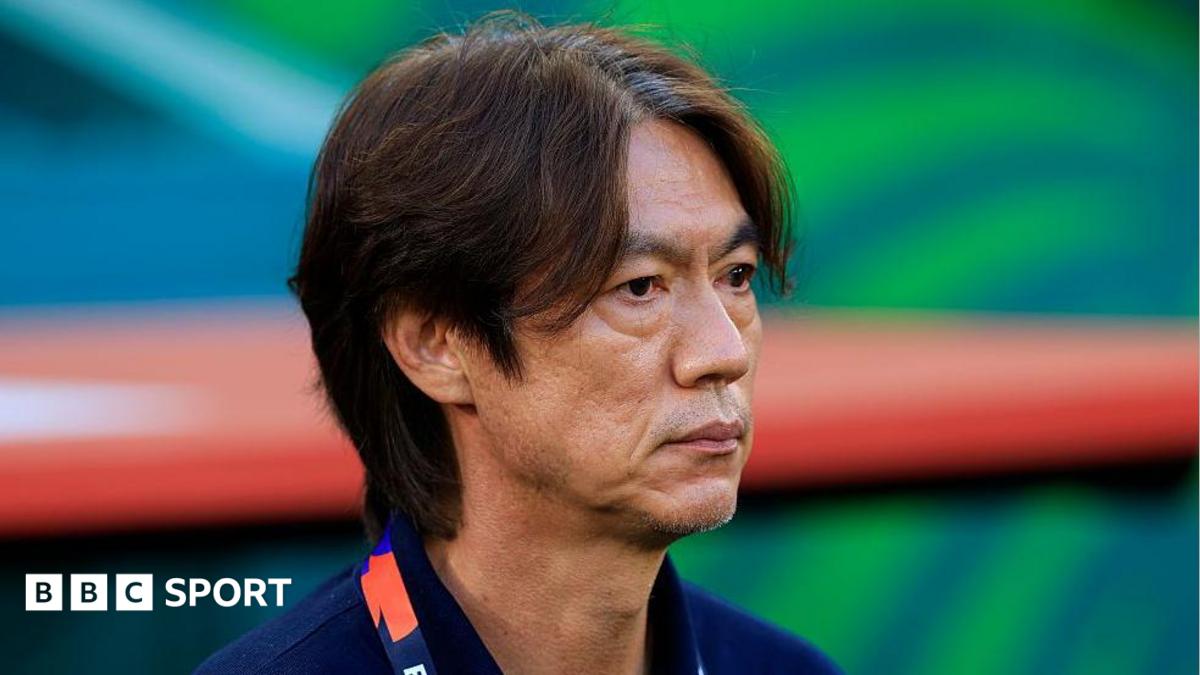
South Korean football has been left facing a period of uncertainty after Hong Myung-bo resigned as national team head coach in the immediate aftermath of elimination from the 2026 World Cup. His departure, announced on Sunday, underlines the scale of the disappointment and the pressure that follows failure at international level, where results are judged not only by qualification but by the broader direction of the programme.
Hong’s apology was blunt and personal. “I am genuinely very sorry,” he said as he stepped down, signalling that he accepted responsibility for a campaign that ended far earlier than supporters would have wanted. In a football culture where the national team carries huge symbolic weight, a World Cup exit is never just a sporting setback; it quickly becomes a question of leadership, planning and whether the structure around the team is strong enough to recover quickly.
A resignation that points to deeper questions
Although the source confirms only the resignation and the timing of South Korea’s elimination, the implications are clear. A national team coach leaving immediately after a major failure usually means the federation must now confront more than a simple vacancy. It has to decide whether the problem was tactical, structural or tied to a wider cycle of transition. For supporters, that uncertainty matters because the next appointment will shape not only the next qualifying campaign but also the identity of the team.
South Korea have long been one of Asia’s most closely watched football nations, and any World Cup setback tends to trigger intense debate about squad development, coaching continuity and how the team compares with regional rivals. A resignation at this stage suggests the fallout could extend beyond one tournament cycle, especially if the federation chooses a fresh direction rather than a quick internal fix.
What it means for supporters and the rebuild ahead
For fans, the immediate concern is stability. A national team that has just suffered a painful exit now has to regroup, assess what went wrong and decide how to move forward without losing momentum. The next coach will inherit not just a squad, but the expectation that South Korea must respond with clarity and purpose.
There is also a wider reputational issue. World Cup qualification and performance are central to how a national team is viewed at home and abroad, and a sudden resignation can amplify the sense of crisis even further. That does not mean the situation is irreparable, but it does mean the federation’s next steps will be scrutinised closely.
For now, the story is one of accountability and reset. Hong Myung-bo’s resignation closes one chapter, but it also opens a difficult one for South Korean football: deciding how to recover from a damaging exit and restore confidence before the next major campaign begins.
Source note: This article was prepared using publicly available information from BBC Sport and expanded with editorial context.
Share this content: