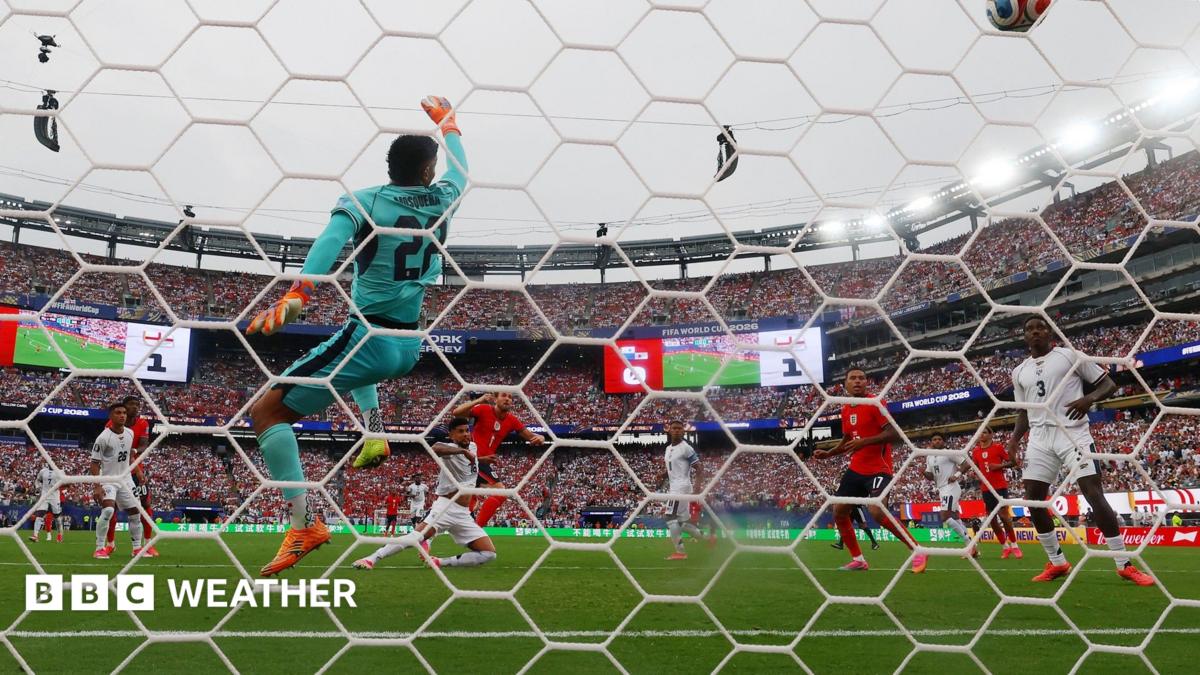
With the 2026 World Cup still ahead, the latest BBC Weather report has put a familiar tournament concern back into focus: how extreme heat might affect matches in North America. The immediate trigger is a spell of dangerous temperatures building across parts of the United States and Canada, according to the National Weather Service, and that is enough to reopen the debate around player welfare, kick-off times and the practical limits of summer football.
For supporters, the issue is not just comfort in the stands. Heat can change the rhythm of a match, reduce intensity and force teams to manage energy in a very different way. That matters even more at a World Cup, where the schedule is fixed, travel is demanding and the margin between recovery and fatigue can be slim. If conditions become severe, the conversation quickly moves from inconvenience to safety.
Why heat matters at tournament level
Football has long had to adapt to weather, but a major international tournament in North America brings the challenge into sharper view. The BBC’s report does not provide match-by-match details, but it does underline the broader concern: rising temperatures in host regions can create conditions that are difficult for players, officials and spectators alike. In practical terms, that can affect hydration breaks, tempo, pressing intensity and the overall quality of play.
From a tactical perspective, extreme heat often rewards teams that can control possession, slow the game at the right moments and rotate their squads effectively. High-press systems and relentless transitions become harder to sustain when the temperature climbs. That is one reason why tournament organisers and broadcasters pay close attention to weather forecasts long before the first whistle.
What this means for World Cup 2026 planning
The BBC article points to the wider question of how World Cup 2026 could be shaped by climate conditions, rather than focusing on a single fixture. That makes the story significant for fans because it is not only about one week of hot weather; it is about whether future tournament planning will need stronger safeguards if dangerous heat becomes a recurring feature.
For now, the key fact is straightforward: the National Weather Service says dangerous heat is building in parts of the United States and Canada, and BBC Weather has linked that to renewed concern over the safety of matches at the next World Cup. The issue is likely to remain part of the pre-tournament conversation, especially if similar conditions continue through the summer months.
Supporters will be watching for any sign that organisers adjust scheduling, venue operations or match protocols in response to weather risks. Even before a ball is kicked, the 2026 World Cup is already being shaped by the environment around it.
Source note: This article was prepared using publicly available information from BBC Sport and expanded with editorial context.
Share this content: