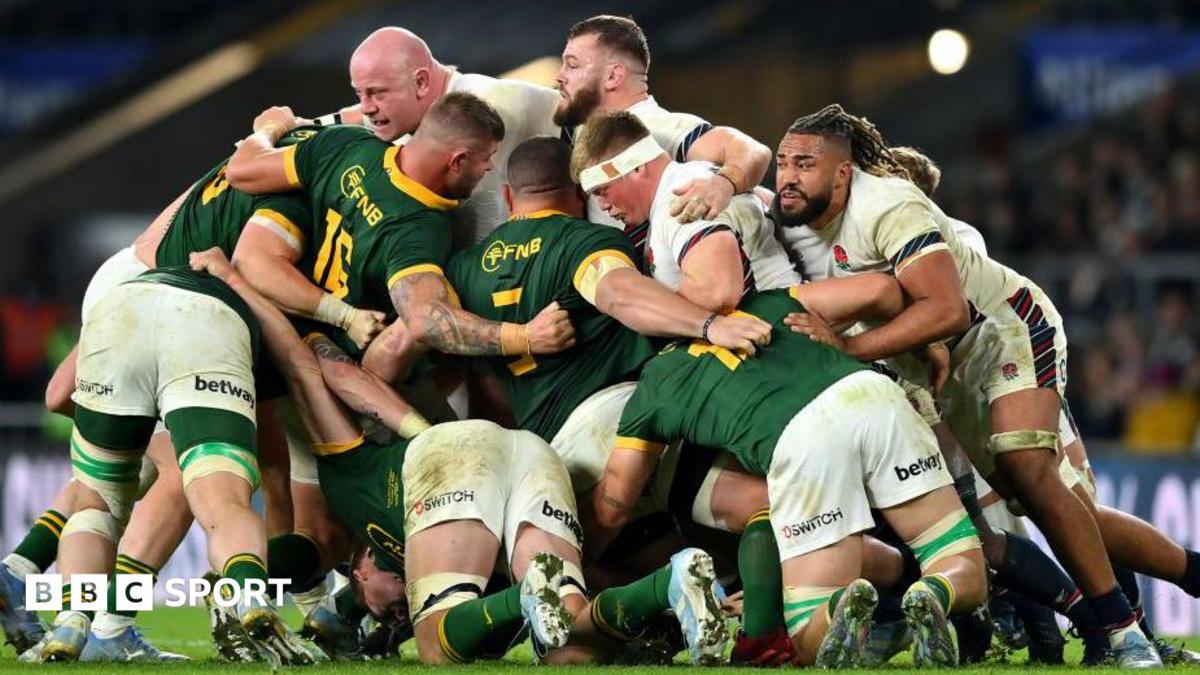
ITV will not feature its in-play, in-picture scrum adverts during coverage of the Nations Championship in July, according to the BBC. The broadcaster’s decision temporarily removes one of the more visible commercial elements from live rugby coverage, even though the 20-second slots are expected to return later in the year.
The move matters because it sits at the intersection of broadcast revenue and the viewing experience. Rugby union has increasingly experimented with new ad formats, and the scrum slot has become one of the most debated examples. For supporters, these interruptions are not just a technical production detail: they affect the rhythm of the match, the feel of live coverage and, in some cases, the sense of how much the sport is being monetised.
What ITV’s decision means for July
By pausing the scrum ads for July’s Nations Championship coverage, ITV is effectively softening the commercial presentation of the tournament for a short period. The BBC report says the in-picture adverts will not be part of that summer coverage, but the arrangement is not being scrapped altogether. Instead, the 20-second slots are set to return for the November Tests and next year’s Six Nations.
That detail is important. It suggests ITV is not abandoning the format, only adjusting when it appears. In practical terms, the broadcaster appears to be balancing audience reaction, scheduling and commercial value. For viewers, the immediate effect is a cleaner live broadcast during the July matches, with fewer interruptions around scrums.
Why the debate around rugby ads keeps growing
The BBC also links the story to a broader discussion about hydration break adverts, an issue that has drawn criticism in rugby circles. The concern is familiar across modern sport: broadcasters and rights holders want to maximise revenue, while fans often want the game to feel uninterrupted and authentic.
That tension is especially relevant in rugby union, where stoppages already shape the match’s tempo. Any additional advertising inserted into those pauses can feel intrusive, particularly in high-stakes international fixtures. For supporters, the question is not only whether the ads are effective commercially, but whether they change the way the sport is consumed and enjoyed.
For ITV, the July pause may be a tactical reset rather than a permanent policy shift. The return of the slots for the November Tests and the Six Nations indicates that the commercial model remains intact. But the temporary removal also shows that broadcasters are still sensitive to how far they can push in-match advertising before it starts to affect the product on screen.
In that sense, the story is less about one ad format and more about the future direction of rugby broadcasting. As the sport continues to search for new revenue streams, the balance between commercial innovation and fan acceptance will remain a live issue.
Source note: This article was prepared using publicly available information from BBC Sport and expanded with editorial context.
Share this content: