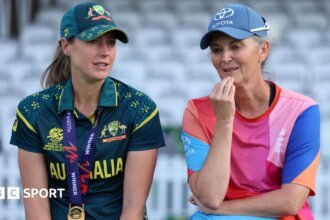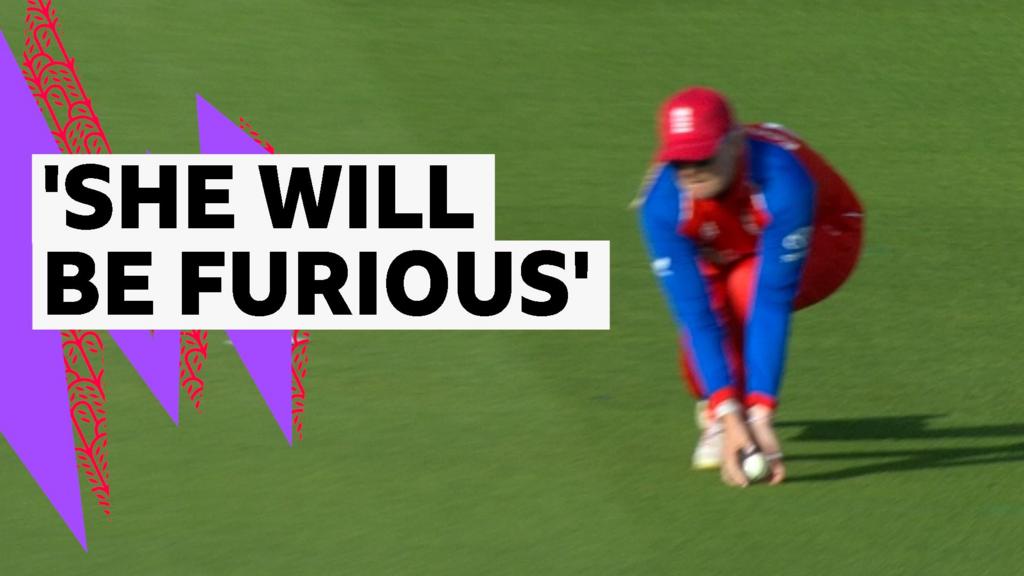
Sophie Ecclestone’s reaction to a late umpiring call has become one of the defining talking points from the ICC Women’s T20 World Cup final at Lord’s. In the closing stages, a catch involving Australia’s Ellyse Perry was overturned by the third umpire, with Perry ultimately ruled not out. The BBC’s footage shows Ecclestone visibly furious at the decision, underlining how much pressure and emotion surrounded the decisive moments of the match.
For England, the incident will sting because finals are often decided by the smallest margins. A single call can alter momentum, field settings and the emotional temperature of a chase or defence. When a bowler believes she has done enough to remove a key batter, only for the decision to go the other way, the frustration is immediate and understandable. Ecclestone’s response reflected the intensity of a contest in which every ball carried weight.
Why the decision mattered
Ellyse Perry has long been one of Australia’s most reliable big-match players, and any reprieve for a batter of her calibre can have major tactical consequences. In a final, keeping a senior player at the crease can protect the batting side from a late collapse and force the fielding team to rethink its plans. For England, the overturned catch would have felt like a missed chance to swing the game at a critical point.
The wider context also matters. England and Australia have one of the fiercest rivalries in women’s cricket, and meetings between the two are often shaped by discipline, execution and composure under pressure. In that environment, controversial decisions are magnified. Supporters on both sides will see the moment differently, but there is no doubt it added another layer of drama to an already high-stakes final.
What it means for supporters
For England fans, the clip will be replayed as a moment of what might have been. For Australia supporters, it will be viewed as a crucial reprieve for a batter capable of changing the course of a final. Either way, the incident reinforces why knockout cricket is so compelling: one umpiring review, one marginal call and one emotional reaction can shape the narrative of an entire tournament.
Ecclestone’s anger also speaks to the standards expected at this level. Elite players want clarity, consistency and confidence in the decision-making process, especially in a World Cup final. When those expectations are challenged, the reaction is rarely muted. That is what made this moment so striking, and why it will remain part of the discussion around the match long after the final ball.
Source note: This article was prepared using publicly available information from BBC Sport and expanded with editorial context.
Share this content: