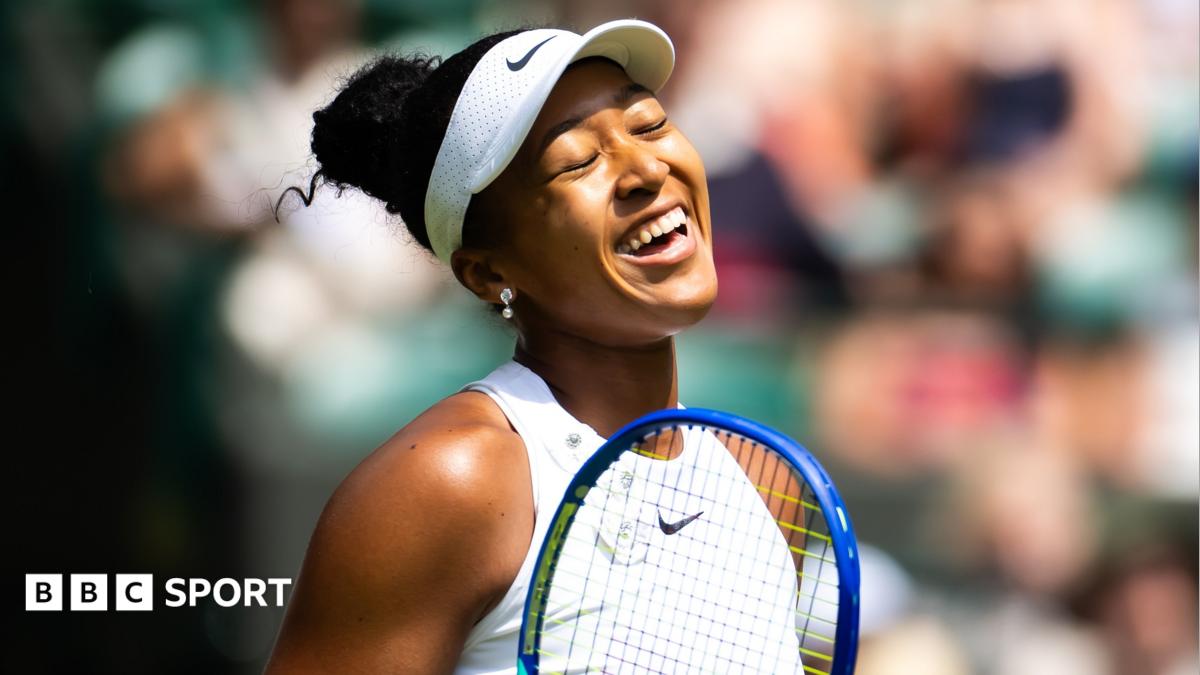
Naomi Osaka’s latest reflections offer a reminder that elite sport is rarely only about technique, rankings or results. According to the BBC source, the former world number one has been working her way back toward a more positive relationship with tennis, helped by a new coach and the comfort of her mum’s cooking. The message is simple but important: for a player of Osaka’s profile, rediscovering enjoyment can be just as significant as any tactical adjustment.
Why the return of enjoyment matters
Osaka’s comments matter because they speak to a broader truth in tennis. When confidence dips, the game can become mentally heavy, even for a player with major-title pedigree. The BBC source notes that just two years ago Osaka was struggling to understand why a sport that had once felt “as simple as breathing to me” was leaving her bereft. That contrast helps explain why the current emphasis on fun is more than a feel-good storyline; it is part of rebuilding the conditions that allow a top athlete to compete freely.
For supporters, that is encouraging. Osaka has long been one of the sport’s most recognisable figures, not only because of her achievements but because her career has often been discussed through the lens of pressure, expectation and mental wellbeing. Any sign that she is in a healthier place is significant, especially if it translates into a more relaxed and expressive version of her game on court.
The role of coaching and environment
The mention of a new coach is also notable. In tennis, coaching changes are rarely just about shot selection or match plans; they often reflect a search for clarity, trust and a better daily environment. For Osaka, that could be especially valuable. A player who has been through difficult spells often needs structure without suffocation, and support without noise. The BBC source does not go into tactical detail, but the implication is clear: the right voice in the box can help restore rhythm and confidence.
The reference to her mum’s cooking adds a human layer to the story. It is a small detail, but one that underlines how recovery and performance are often shaped away from the court. Familiar routines, family support and a sense of normality can be grounding for athletes whose lives are otherwise defined by travel, scrutiny and constant evaluation.
What it means going forward
There is no need to overstate the immediate competitive impact from this source alone. What can be said is that Osaka appears to be in a better emotional place than she was during the period she described as difficult. For a player whose best tennis has always been built on clean striking and conviction, that matters. If the fun is back, the performance level may follow.
For tennis fans, the story is less about a headline-grabbing comeback and more about the possibility of a more settled Osaka re-entering the conversation. That is often where the most meaningful progress begins: not with a dramatic declaration, but with a player sounding more comfortable in her own skin.
Source note: This article was prepared using publicly available information from BBC Sport and expanded with editorial context.
Share this content: