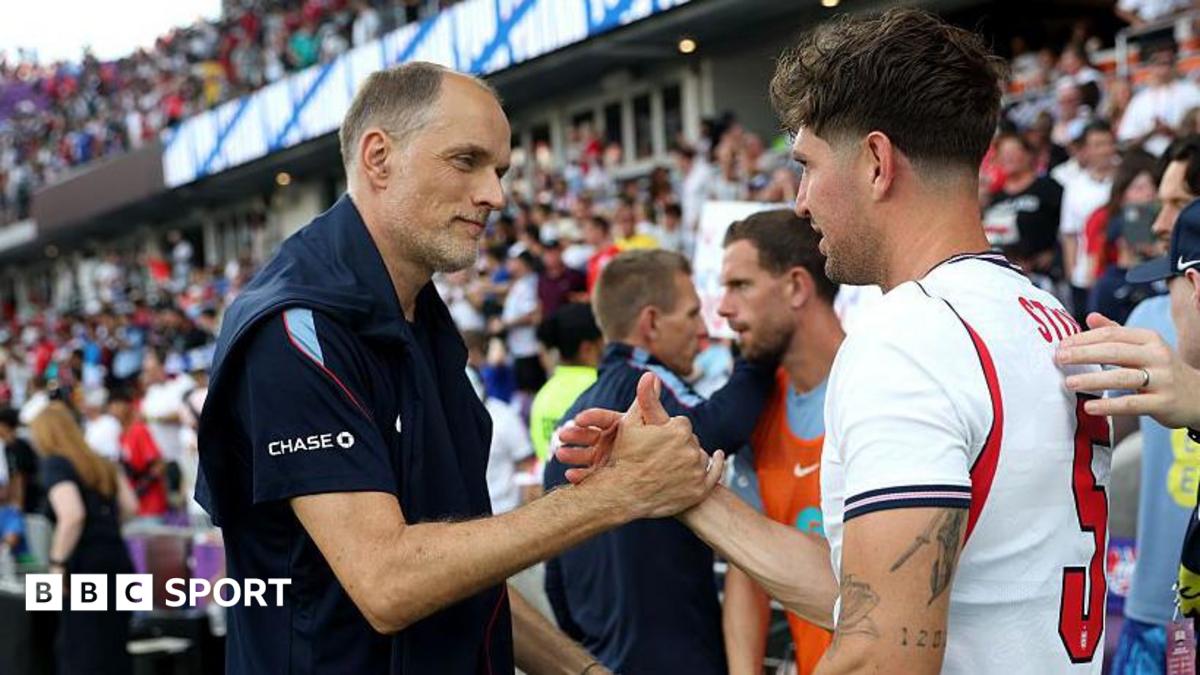
John Stones has found himself at the centre of one of the lighter talking points to emerge from England’s 3-2 victory over Mexico, after a prank moment from the game spread rapidly online. According to the BBC report, Stones said he did not expect the clip to gain so much traction, a reaction that captures how quickly a small on-pitch or dressing-room moment can become part of the wider football conversation.
For England supporters, these viral episodes often sit alongside the more serious questions that follow any international result: how the team performed, what the scoreline means, and which players are shaping the mood around the squad. In this case, the prank has become a secondary storyline to the match itself, but it still matters because it shows the human side of a player who is usually discussed for his defending, passing and composure rather than for off-field humour.
Why the moment resonated
England’s 3-2 win over Mexico is the kind of scoreline that naturally invites scrutiny. A narrow victory can be read in different ways depending on the stage of preparation, the opposition and the broader context of a tournament cycle. Against that backdrop, a viral prank can take on extra significance because it offers a glimpse of squad personality and chemistry at a time when fans are often looking for signs of confidence and unity.
Stones is one of England’s more experienced figures, and his presence in the conversation is notable because senior players tend to be judged not only on performance but also on leadership and influence around the group. Even when the subject is a prank, the attention reflects the profile of the player and the reach of the national team’s media footprint.
What it means for supporters
For supporters, the story is less about the prank itself than about the way modern football narratives are formed. A single moment can travel far beyond the stadium, especially when it involves a well-known England player and a result that already has people talking. That can be useful for a squad’s public image, because it shows a relaxed environment, but it also underlines how little control players have once a clip starts circulating.
The BBC’s reference to World Cup coverage also places the story within the wider international football conversation, where every detail around a major tournament can be amplified. While the prank will not change England’s tactical plans or the result against Mexico, it does add a small but memorable layer to the story of the game and to Stones’ profile in the build-up to future fixtures.
In that sense, the viral reaction is a reminder that football coverage is no longer shaped only by goals and results. Personality, humour and shareable moments now travel alongside the match report, and Stones’ comment shows that even players can be surprised by how far those moments go.
Source note: This article was prepared using publicly available information from BBC Sport and expanded with editorial context.
Share this content: