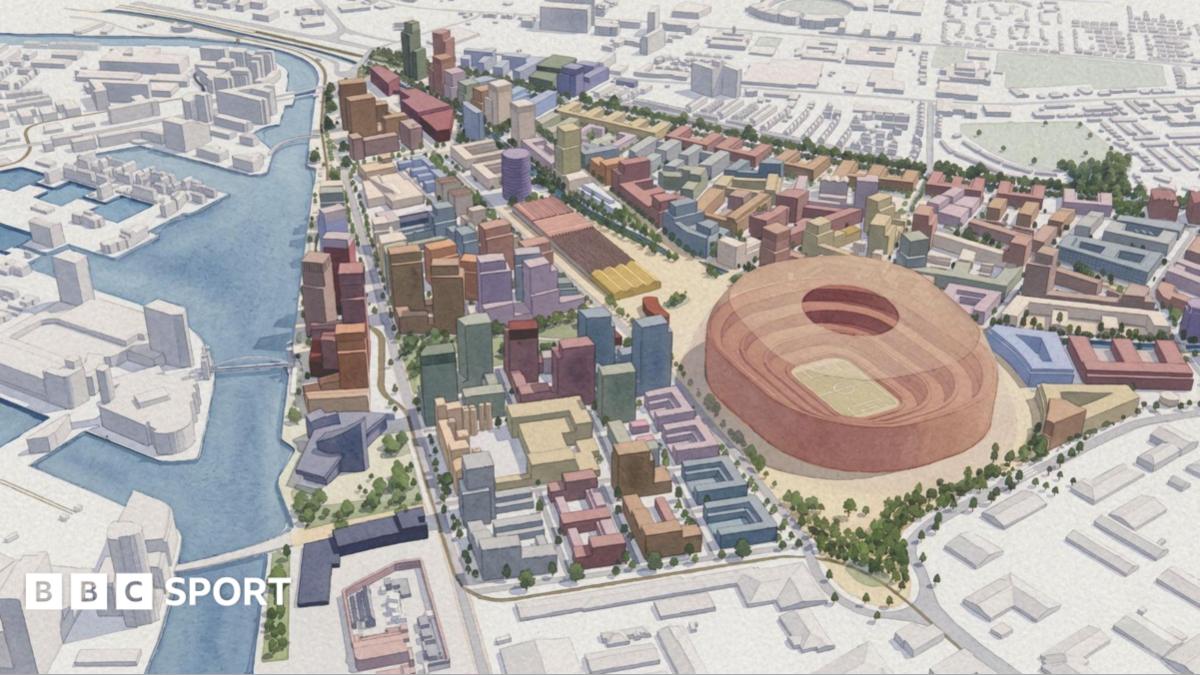
Manchester United have taken another significant step in the long-running conversation about the club’s future by revealing the proposed location of their planned new 100,000-seater stadium. According to BBC Sport, the site would sit around 350 metres north west of Old Trafford, placing the project firmly within the club’s historic home area rather than on a distant new footprint.
The announcement matters because stadium plans at a club of United’s scale are never just about architecture. They are about identity, revenue, matchday experience and the wider direction of the football operation. For supporters, the location suggests a project that aims to preserve the emotional link with Old Trafford while still moving the club toward a modern venue built for the demands of elite football.
What the location means for Manchester United
A stadium of this size would be one of the most ambitious developments in European football. The fact that the club has now identified a site close to Old Trafford gives the proposal a clearer shape, even if many stages remain before any construction can begin. For fans, proximity to the current ground may be seen as a practical and symbolic choice: a new home without abandoning the area that has defined generations of United history.
From a football perspective, a 100,000-capacity stadium would have obvious implications for revenue generation, ticket demand and the club’s ability to stage major events. Bigger capacity can mean greater commercial strength, but it also raises questions about atmosphere, accessibility and how the club balances tradition with modernisation. Those are the kinds of issues that tend to define stadium projects at the top level.
Why this matters now
United’s stadium plans arrive at a time when the club continues to be judged not only on results but on infrastructure and long-term strategy. In that sense, the stadium discussion is part of a broader picture around how the club wants to compete with Europe’s biggest sides off the pitch as well as on it. Supporters will be watching closely for what comes next, especially on timelines, funding and how the new ground would fit into the future of Old Trafford itself.
For now, the key development is simple: Manchester United have moved from broad ambition to a more defined proposal. The location is now public, and that gives the project a new level of seriousness. What remains is the hard part — turning a headline plan into a deliverable stadium that can satisfy both the club’s commercial needs and the expectations of its fanbase.
Source note: This article was prepared using publicly available information from BBC Sport and expanded with editorial context.
Share this content: