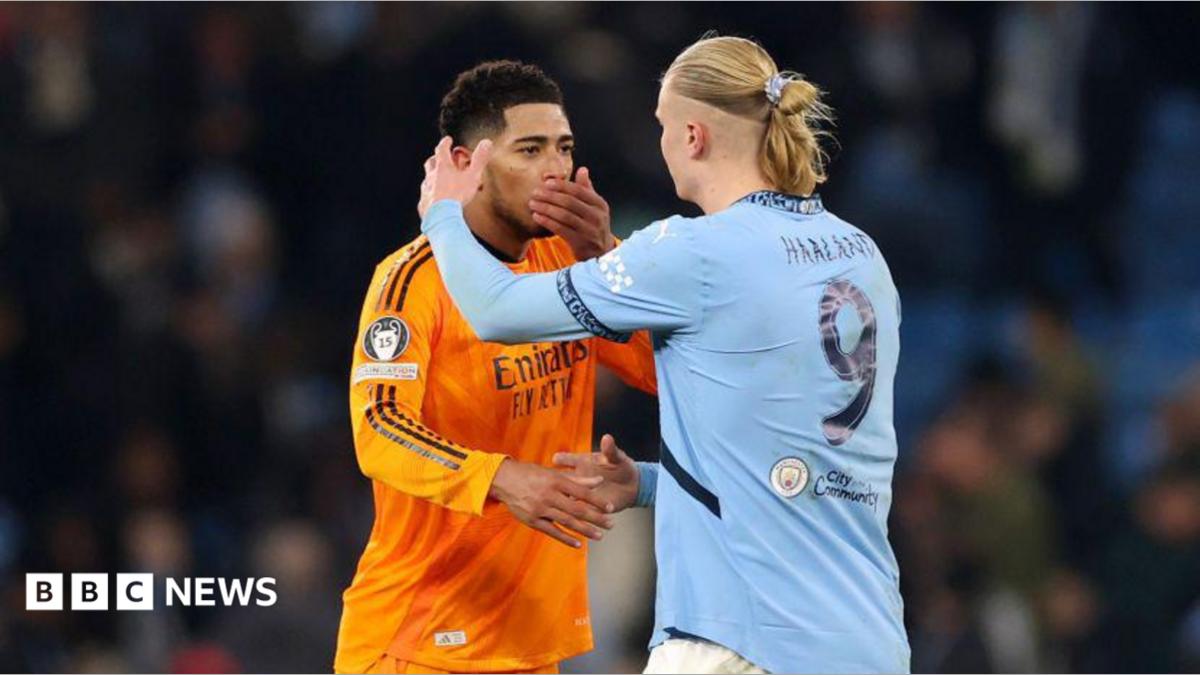
Football stories at major tournaments are usually built around goals, tactics and pressure. This one is different. BBC’s report on Jude Bellingham and Erling Haaland focuses on a friendship that has become one of the more unusual talking points of the World Cup, with the pair’s bond drawing attention well beyond the pitch.
That matters because modern elite football often feels guarded and highly managed. Players are trained to speak carefully, protect team interests and avoid giving away too much. Against that backdrop, a visible and apparently genuine friendship between two of the game’s most recognisable young stars stands out. It gives supporters something human to latch on to in a tournament environment that can otherwise feel relentlessly serious.
Why this friendship resonates
The BBC piece frames the relationship as a “bromance” that has consumed the internet during the World Cup. That language reflects how quickly football culture now moves beyond match action. Supporters do not only follow performances; they also track body language, interactions and off-field connections, especially when the players involved are already global names.
Bellingham and Haaland sit at the centre of that attention because both are associated with the next era of elite football. Bellingham has become one of the most discussed midfielders in the game, while Haaland’s reputation as a dominant striker has made him a constant reference point in any conversation about the sport’s future. When two players with that level of profile are linked by a clear personal connection, it naturally becomes part of the tournament narrative.
What it means for supporters
For supporters, the appeal is simple: it offers a softer, more relatable side of top-level football. Rivalries and competition remain central, but friendships between major players can cut through the usual tribal framing. They also remind fans that the sport’s biggest names are not just assets in a system; they are young athletes navigating intense scrutiny while still forming real relationships.
The source does not suggest that the friendship changes the competitive stakes on Saturday night, but it does underline how football narratives are built today. A tournament can be shaped not only by results, but by the personalities that capture attention between matches. In that sense, the Bellingham-Haaland story is less about gossip and more about the way modern football is consumed: socially, emotionally and constantly.
Whether or not the World Cup match itself delivers drama, the relationship between the two players has already done something notable. It has broken through the usual noise and offered a reminder that the game’s biggest stars can still surprise supporters by being openly, unmistakably human.
Source note: This article was prepared using publicly available information from BBC Sport and expanded with editorial context.
Share this content: