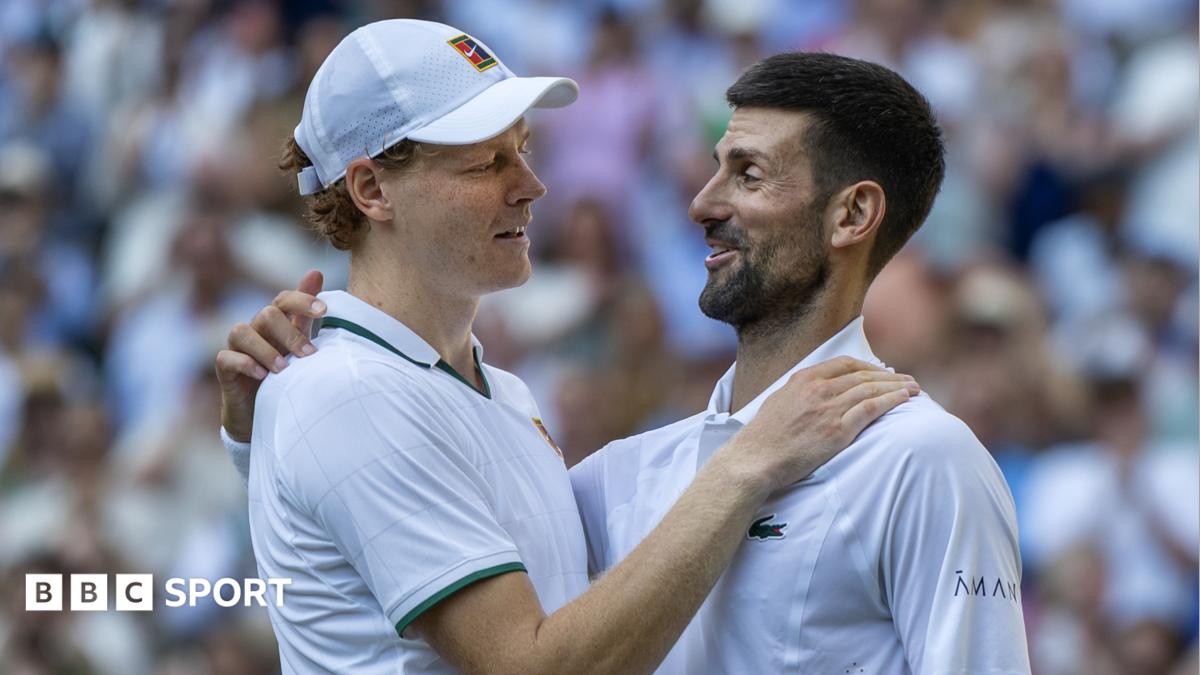
Novak Djokovic remains one of the defining figures in modern tennis, but the latest BBC Sport framing around him captures a familiar tension: for a player of his stature, “good” is rarely enough. That is the burden of being an all-time great. Every run to a late stage, every high-level performance and every near-miss is measured not against the field, but against Djokovic’s own extraordinary standard.
The BBC’s description of him as “blessed and cursed” reflects the dual reality of his career. The blessing is obvious: he has spent years setting the benchmark in men’s tennis, winning at a rate that has reshaped expectations around consistency, longevity and mental strength. The curse is that once a player reaches that level, anything short of dominance can feel like a disappointment, even when the underlying performance remains elite.
Why the standard around Djokovic is so unforgiving
For supporters, this is part of what makes Djokovic such a compelling figure. He is not simply judged on whether he is still competitive; he is judged on whether he is still the best. That creates a very different conversation from the one surrounding most champions. A player can be in excellent form and still be described as falling short if the result does not match the expectation attached to his name.
That dynamic matters because it shapes how his current phase is understood. If Djokovic is still producing tennis that is “good,” then the issue is not whether he belongs at the top level. The issue is whether he can still turn strong performances into the kind of title-winning runs that have defined his career. In a sport where margins are tiny, that distinction is everything.
What it means for fans and the wider tour
For the wider men’s game, Djokovic’s situation is a reminder of how rare sustained greatness really is. Most players are trying to break through once; Djokovic has spent years trying to stay ahead of time, form swings and a constantly changing field of challengers. Even when he is not at his absolute peak, he still influences the shape of tournaments simply by being present.
For his supporters, the message is more nuanced. There is still reason for optimism whenever Djokovic is competing at a high level, because his history shows that he can turn strong form into major success. But the BBC’s framing also suggests a harder truth: at this stage of his career, the difference between “good” and “good enough” may decide how the next chapter is remembered.
That is what makes the story resonate beyond one player. It is not just about Djokovic’s current level; it is about the impossible standard that greatness creates. In that sense, the headline says as much about the sport’s expectations as it does about the man himself.
Source note: This article was prepared using publicly available information from BBC Sport and expanded with editorial context.
Share this content: