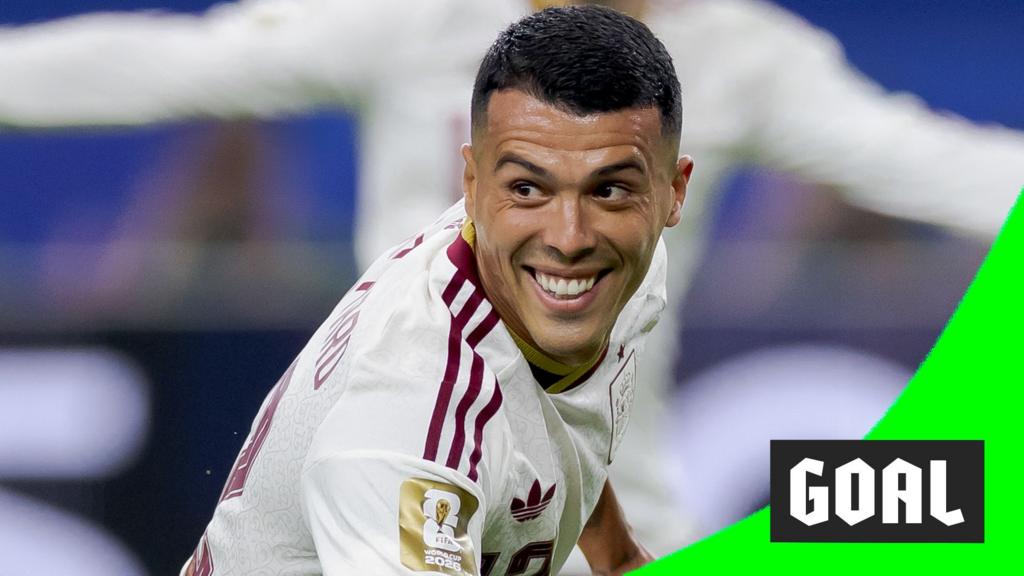
Pedro Porro’s goal against France gave Spain a valuable cushion in the semi-finals of the 2026 World Cup, and the manner of the finish mattered almost as much as the scoreline itself. A quick one-two with Dani Olmo opened the door, and Porro made the most of the space to double Spain’s lead in a match where margins are naturally tight and every attacking sequence carries extra weight.
For Spain, a second goal in a knockout semi-final is more than just a number on the scoreboard. It changes the rhythm of the contest, forces the opposition to take more risks and allows Spain to lean into the kind of control that has long defined their best tournament performances. In games of this scale, the team that scores next often dictates the emotional temperature of the match, and Spain’s ability to add to their advantage will have been a major boost for supporters watching with one eye on the final.
Porro’s timing underlines Spain’s attacking depth
Porro’s contribution also speaks to the broader value of goals coming from different areas of the pitch. When a defender or wide player arrives in the right moment to finish a move, it can unsettle a defence that is already focused on the more obvious attacking threats. The link-up with Olmo suggests Spain were finding pockets between the lines and moving the ball with enough speed to create a decisive opening.
That kind of combination play is especially important in tournament football, where opponents often sit deeper and try to deny central space. A goal built through a short exchange rather than a long spell of pressure can be a sign that a side is not only in control, but also capable of breaking structure when it matters most. For Spain, that is the sort of detail that can separate a good run from a title-winning one.
What it means for Spain and France
For France, conceding a second goal in a semi-final would have raised the difficulty level considerably, because chasing the game against a technically secure Spain side is never straightforward. It would have forced France to push higher, commit more numbers forward and accept more space behind the ball. That is exactly the kind of scenario Spain can exploit if they are allowed to dictate possession and tempo.
For Spain supporters, Porro’s goal would have felt like a statement of confidence rather than a routine finish. In a World Cup semi-final, every goal carries the possibility of becoming a turning point, and doubling the lead is often the moment when belief starts to harden into expectation. The source does not provide the final result, but it does show Spain in a strong position at a decisive stage of the tournament.
Source note: This article was prepared using publicly available information from BBC Sport and expanded with editorial context.
Share this content: