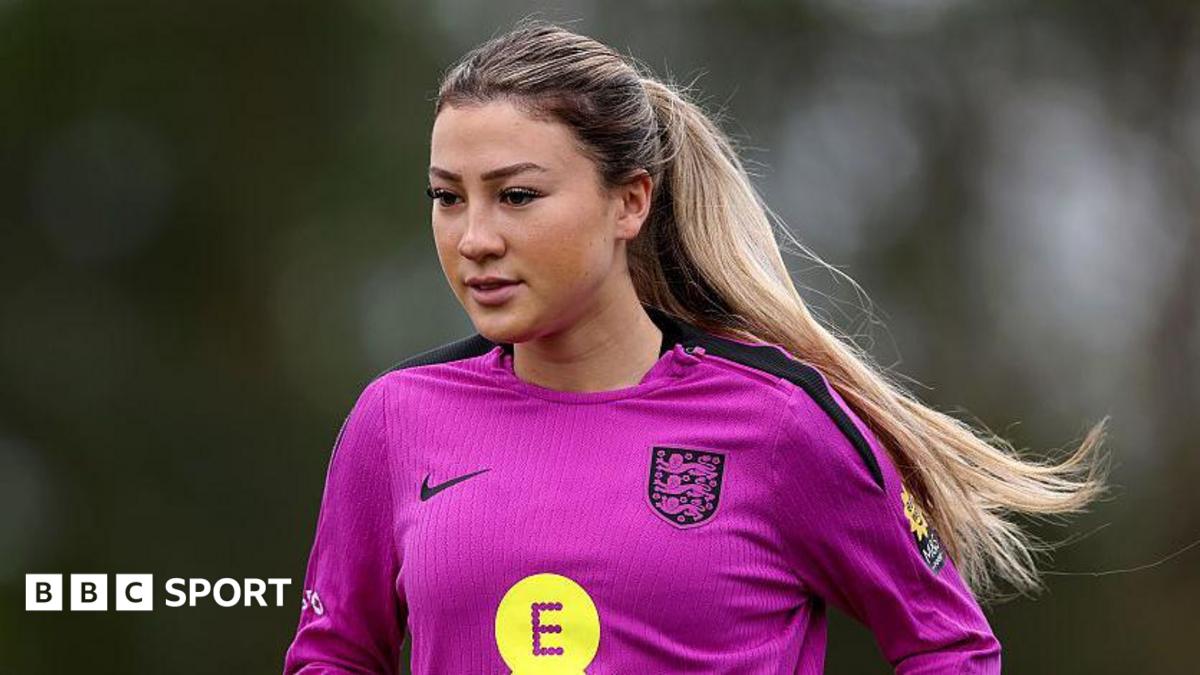
Meg Parkinson’s rise into England’s senior environment is notable not only because of her age, but because of the way her development is being shaped off the pitch as well as on it. According to BBC Sport, the teenager was an unexpected name when Sarina Wiegman called her into the senior squad in March, and the article examines the role a mindset coach has played in helping her handle that step up.
That detail matters because the jump from youth football to senior international recognition can be as demanding mentally as it is physically. For a young player, the pressure of training alongside established internationals, adjusting to higher standards and managing expectation can quickly become part of the challenge. A mindset coach suggests a deliberate approach to that transition, one that treats confidence, focus and resilience as essential parts of performance rather than optional extras.
Why the mental side matters for young internationals
England’s women’s setup has become increasingly competitive, and any teenager brought into the senior squad is immediately under scrutiny. Wiegman’s decision to include Parkinson in March indicates that she is viewed as a player with real potential, but it also underlines how carefully the pathway into the national team is being managed. In modern elite football, technical ability alone is rarely enough; the ability to cope with pressure, absorb instruction and stay composed is often what determines whether a prospect can make the next step stick.
For supporters, stories like this are a reminder that the making of an international footballer is rarely linear. A player can be talented enough to attract senior attention while still needing support to deal with the emotional demands that come with it. That is especially relevant in women’s football, where the pace of development, the visibility of the game and the expectations placed on young players continue to rise.
What Parkinson’s call-up suggests for England
Although the BBC piece is centred on Parkinson’s mindset work, the broader implication is that England are continuing to invest in the long-term development of emerging talent. Wiegman has built a squad that blends experience with youth, and bringing in younger players early can help create continuity for future tournaments. It also gives the coaching staff a chance to assess not just ability, but temperament.
For Parkinson, the presence of a mindset coach may be part of what allows her to settle into that environment and perform without being overwhelmed by the occasion. For England, it is another sign of a system that recognises the importance of psychological preparation in elite football. And for fans, it offers a glimpse of how the next generation is being prepared for the demands of international football, where the margins are small and the mental game can be decisive.
The BBC’s report does not suggest a finished article, but rather a young player at an important stage of her development. That makes the story less about a single call-up and more about the process behind it: how England are nurturing talent, and how players like Parkinson are being equipped to cope with the leap to the top level.
Source note: This article was prepared using publicly available information from BBC Sport and expanded with editorial context.
Share this content: