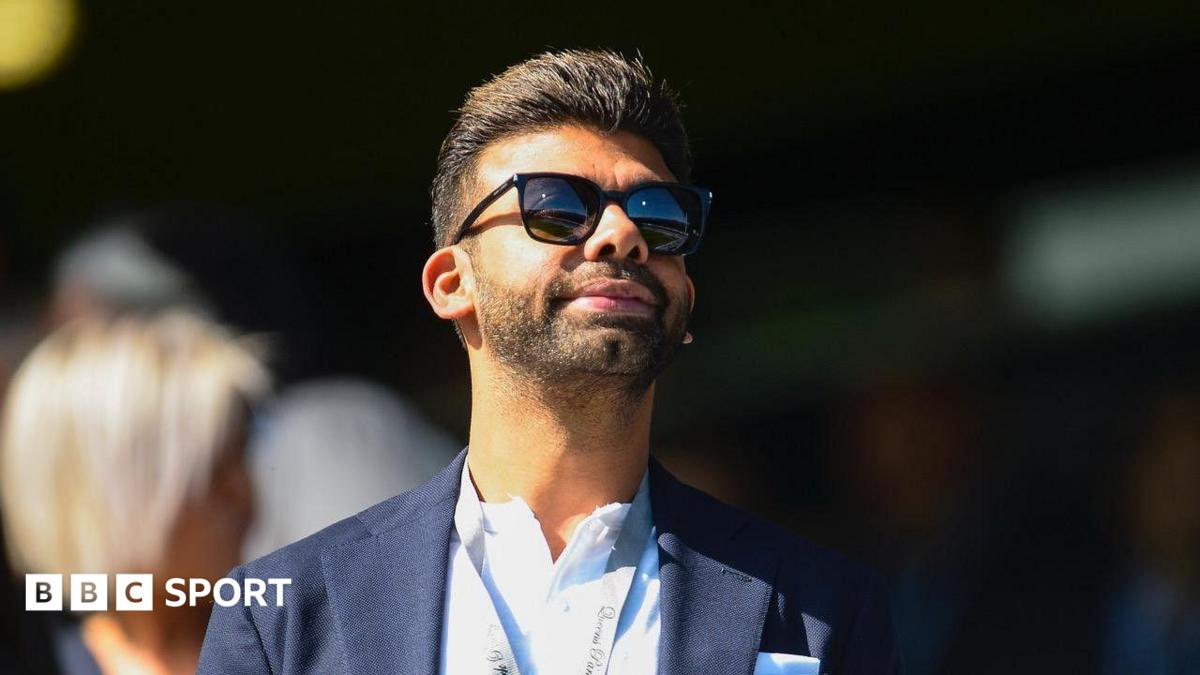
Liverpool’s ownership picture has entered another potentially significant phase after BBC Sport reported that a consortium led by British-Indian millionaire businessman Amit Bhatia has expressed interest in buying a minority stake in the club. At this stage, the key word is interest: the source does not say a deal has been agreed, only that talks or exploratory engagement are underway.
What a minority stake could mean for Liverpool
For a club of Liverpool’s size, any move involving outside investment is about more than balance-sheet headlines. A minority stake can bring fresh capital, broaden commercial reach and potentially support long-term infrastructure or football operations without changing full control. That distinction matters for supporters, because minority investment is often framed as a way to strengthen a club’s financial position while leaving the core ownership structure intact.
In Liverpool’s case, the timing is notable. The club remains one of the most commercially powerful brands in world football, but elite clubs increasingly look for new investment partners to keep pace with rising costs, stadium demands and global competition. Even without a completed transaction, the fact that a consortium is linked with Liverpool underlines the continuing appeal of the club as an asset and a sporting institution.
Why supporters will be watching closely
For fans, ownership news tends to raise two immediate questions: who is coming in, and what will change? The BBC report only confirms that a consortium led by Amit Bhatia has shown interest, so there is no verified detail yet on valuation, governance rights or the size of any potential holding. That means the story is still in the early stages, but it is still relevant because minority investment can influence future spending power, strategic planning and the club’s commercial direction.
Supporters will also be aware that Liverpool’s recent history has made ownership matters especially sensitive. Any new investment discussion is likely to be judged not just on financial logic, but on whether it aligns with the club’s identity, competitive ambitions and long-term stability. Until more details emerge, the safest reading is that this is an important development to monitor rather than a finished transaction.
What is clear is that Liverpool continue to attract serious interest from investors with the resources to enter the game at the highest level. If the talks progress, the next stage will determine whether this becomes a meaningful strategic partnership or simply another expression of market interest in one of football’s biggest names.
Source note: This article was prepared using publicly available information from BBC Sport and expanded with editorial context.
Share this content: