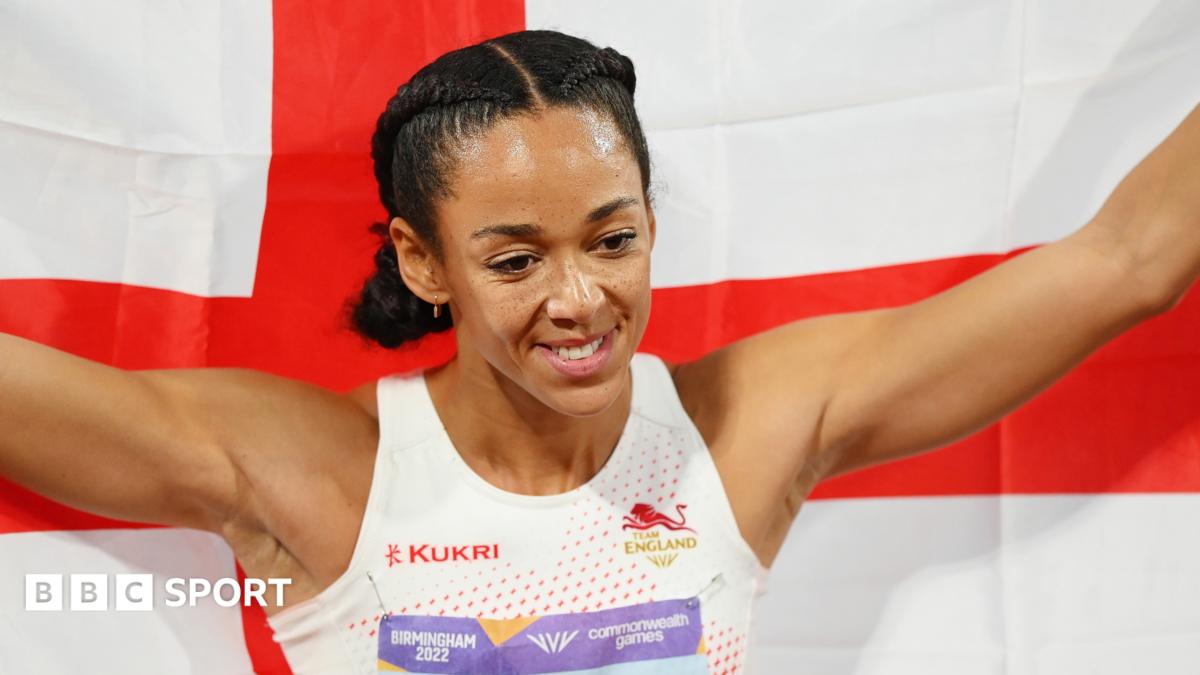
England’s Commonwealth Games ambitions have been hit by a major double setback, with Olympic silver medallist Katarina Johnson-Thompson and sprint star Dina Asher-Smith both ruled out through injury. For a team that would have expected those names to sit near the top of its medal projections, the timing is especially damaging.
Johnson-Thompson’s withdrawal removes one of the most recognisable multi-event athletes in British sport from the competition. Her absence matters not only because of her proven medal pedigree, but because heptathlon events often shape the wider narrative of a championships campaign: they bring points, profile and a sense of momentum across several days. Without her, England lose a contender capable of influencing the medal table in a way few others can.
What the double absence means for England
Asher-Smith’s injury blow is just as significant in a different way. One of Britain’s leading sprint figures, she has long been a headline attraction at major championships, and her presence usually gives England a genuine chance of medals in the speed events. Her withdrawal narrows the team’s options in races where margins are already tiny and where the absence of a top-tier starter can alter the competitive balance immediately.
For supporters, the news is frustrating because it strips the Games of two athletes who bring both quality and visibility. Johnson-Thompson and Asher-Smith are not simply strong performers; they are among the most marketable and dependable names in British athletics, and their absence reduces the sense of expectation around England’s track and field campaign.
Injury setbacks and the wider championship picture
The BBC report does not provide full medical detail, but the fact that both athletes are out underlines how quickly a championship build-up can change. In multi-event and sprint disciplines, even minor physical issues can become decisive when the schedule is compressed and the demands are high. Teams often have to make late calls based on recovery timelines, training tolerance and the risk of aggravating an existing problem.
That is where the broader significance lies: this is not just about two individual withdrawals, but about how England will now redistribute medal hopes and leadership responsibilities. Other athletes will have to absorb the pressure, and the coaching staff will need to adjust expectations accordingly.
For the athletes themselves, the priority will now be recovery and the longer season ahead. For England, the immediate challenge is to move on without two of its biggest names and still deliver a competitive showing at the Commonwealth Games.
Source note: This article was prepared using publicly available information from BBC Sport and expanded with editorial context.
Share this content: