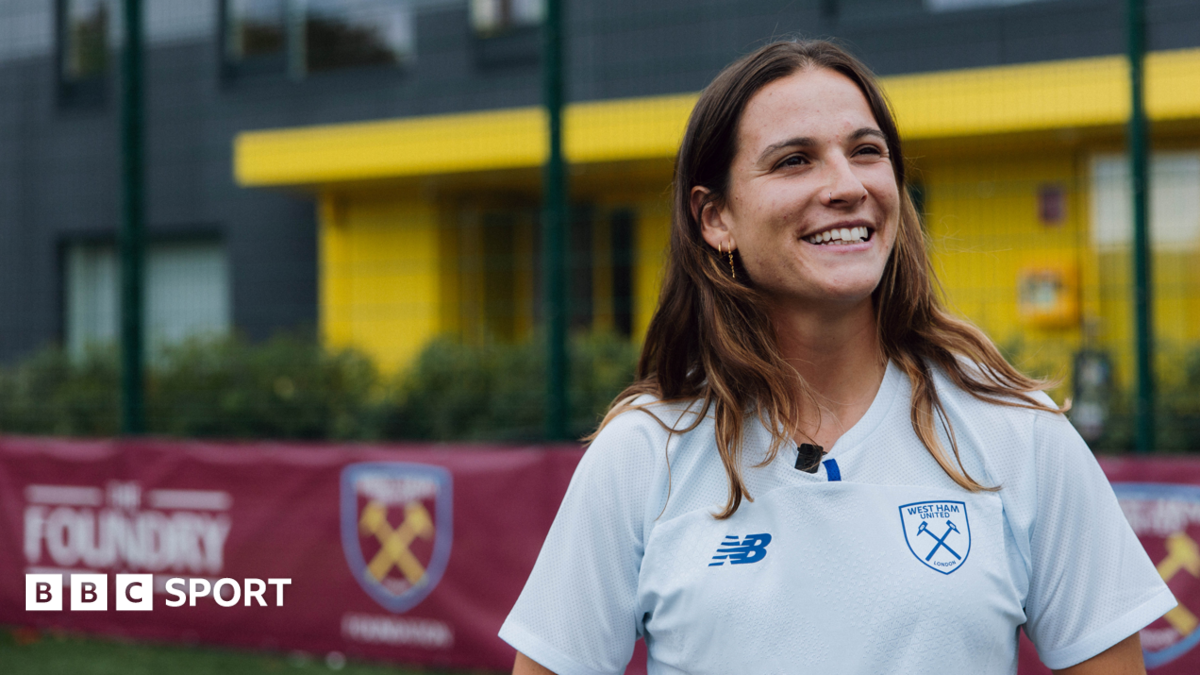
Laia Codina’s move from Arsenal to West Ham is the kind of transfer that says as much about timing as it does about ambition. After three years at the Emirates, the defender has left behind a trophy-winning spell and a dressing room she described as a “new family”, but the decision was driven by a clear desire for a different challenge.
For West Ham, that matters. Bringing in a player with Codina’s background is not just about adding depth; it is about adding experience from a club that has been competing at the top end of the women’s game. Arsenal’s standards, expectations and pressure are very different from those at a side still building its identity, and that makes Codina’s arrival a meaningful statement about where West Ham want to go next.
Why the move makes sense for Codina
Codina’s comments point to a player who had already achieved important milestones and did not want to stay in one place simply because it was comfortable. That is often the hardest decision for a footballer to make after success: leaving a familiar environment when things are going well. Her reference to Arsenal as a “new family” underlines that this was not a move made out of frustration, but one shaped by the need for a fresh project.
That context is important for supporters. Transfers are often judged only by the badge on the shirt or the fee attached, but the best signings usually come when the player and club’s needs align. West Ham appear to have offered Codina a role that felt purposeful, and for a player with winning experience, that can be a powerful fit.
What it means for West Ham
West Ham’s recruitment has already shown intent, with the club also signing forward Gago and defender Cascarino. Codina’s addition fits that wider pattern of strengthening the squad with players who can raise the level immediately. For a team looking to compete more consistently, that kind of recruitment can be just as important as headline names.
From a tactical point of view, a defender arriving from Arsenal should bring composure, organisation and an understanding of high-level defensive demands. Even without over-reading the move, it is fair to say West Ham are trying to build a squad with more resilience and more know-how. For supporters, that is encouraging: it suggests the club is not simply filling gaps, but trying to shape a more competitive identity.
Codina’s departure also reflects a broader truth about modern women’s football. Players are increasingly willing to move for opportunity, role and project rather than staying put after success. In that sense, West Ham have not only signed a defender; they have signed someone who has chosen their direction deliberately. That can be a strong foundation for both player and club if the fit proves right on the pitch.
Source note: This article was prepared using publicly available information from BBC Sport and expanded with editorial context.
Share this content: