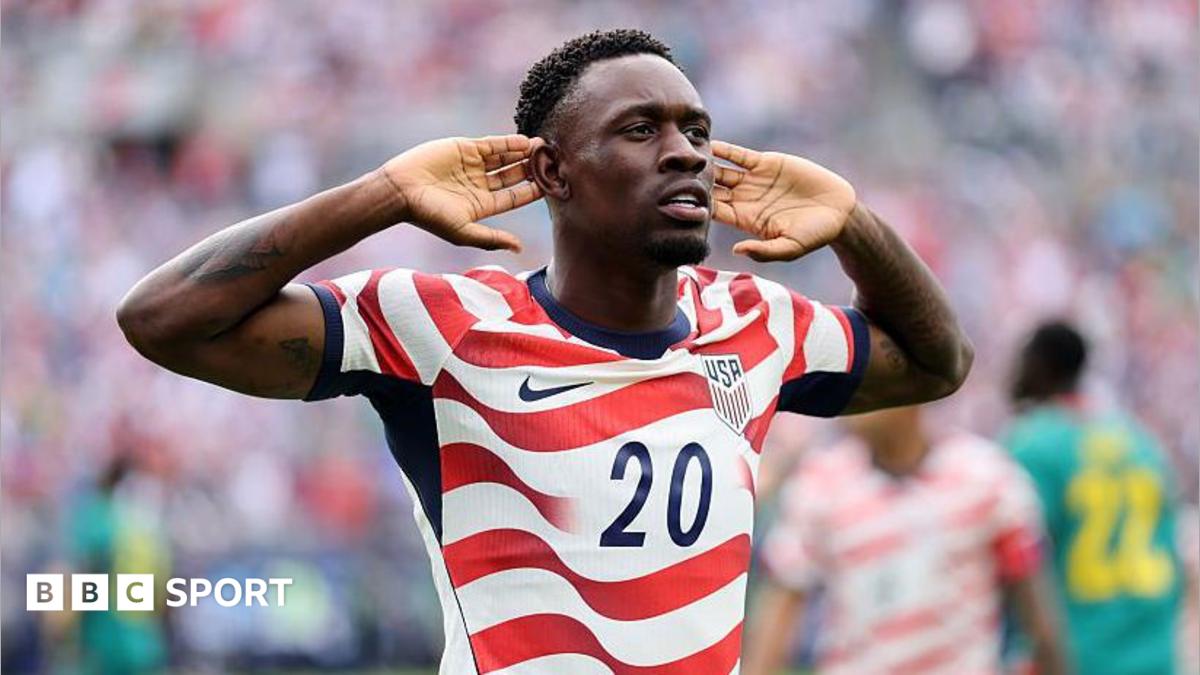
The Norwegian Football Federation is weighing whether to take its concerns to FIFA’s ethics committee after the governing body’s handling of Folarin Balogun’s automatic one-match ban during the World Cup. The issue has quickly moved beyond a single disciplinary decision and into a broader debate about consistency, transparency and trust in football’s rule-making process.
For supporters, cases like this matter because they shape confidence in how major tournaments are run. When a suspension is altered or lifted, the immediate question is not only whether the decision was correct, but whether the process behind it was clear enough for everyone involved. That is especially sensitive at a World Cup, where every disciplinary ruling can affect the competitive balance of a group or knockout tie.
Why Norway are considering action
The BBC report says Norway are considering a formal complaint to FIFA’s ethics committee. That suggests the federation believes the matter is serious enough to warrant scrutiny beyond routine protest. While the source does not set out the full legal or disciplinary background, the fact that Norway are exploring escalation indicates they view the decision as potentially damaging to the integrity of the competition.
Balogun’s name is central because the suspension in question relates to his automatic one-match ban. In tournament football, automatic bans are usually among the clearest forms of discipline, so any change to that status tends to attract attention. The controversy is therefore not just about one player, but about how football’s authorities interpret and apply their own regulations under pressure.
What the dispute means for the tournament
Disciplinary disputes rarely stay isolated. They can influence how teams approach future appeals, how officials communicate decisions, and how fans judge the fairness of the competition. If Norway do submit a complaint, the case could become a reference point for how FIFA handles similar situations in future tournaments.
From a football perspective, the wider concern is simple: the more opaque a disciplinary ruling appears, the more likely it is to fuel suspicion. That is why this story has resonance beyond Norway or Balogun. It touches on one of the sport’s most important expectations — that rules are applied consistently, and that any exceptions are explained clearly enough to withstand scrutiny.
For now, the key development is that Norway are still considering their next move. Whether they proceed with a formal complaint or not, the episode has already underlined how quickly a single ban decision can become a governance issue at the highest level of the game.
Source note: This article was prepared using publicly available information from BBC Sport and expanded with editorial context.
Share this content: