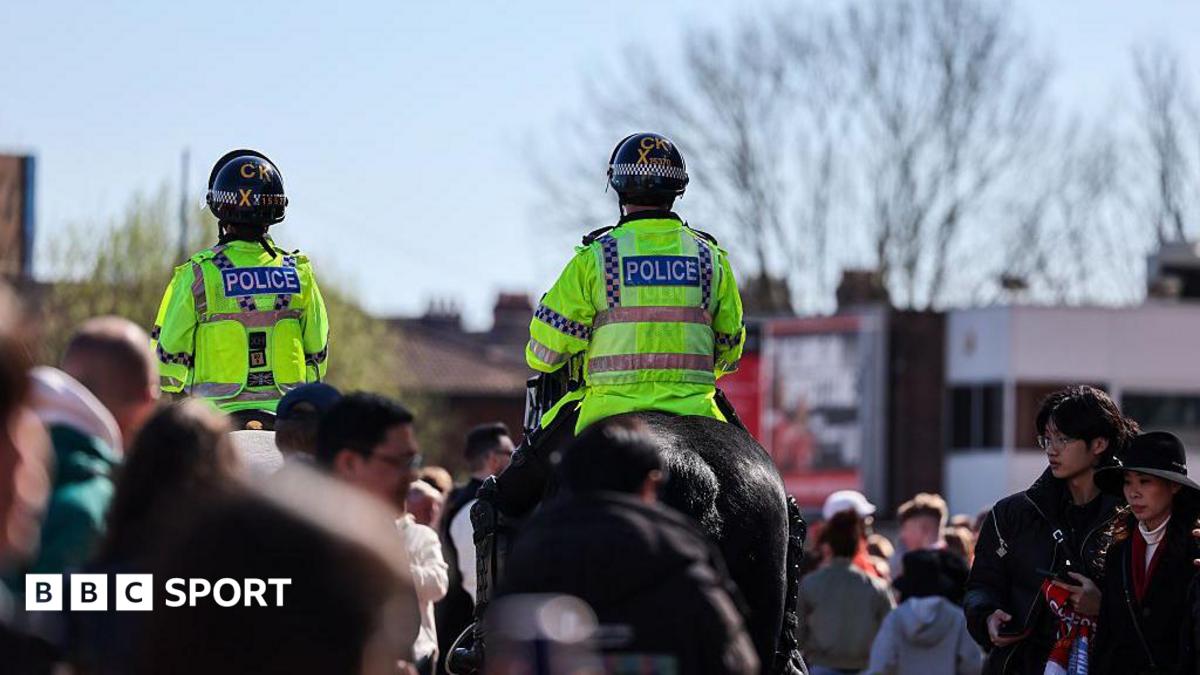
Football’s financial debate is not always about transfer fees, wages or broadcast income. Sometimes it turns on a far less glamorous question: who pays for the policing that keeps matches safe and orderly? That is the issue raised in the BBC Sport report, which says clubs have been urged to contribute more to the cost of match policing in order to reduce the burden on taxpayers.
The point matters because football is one of the few industries where large crowds, strong emotions and regular fixture congestion create a recurring public cost. For supporters, policing is often invisible unless something goes wrong, but it is part of the infrastructure that allows the game to take place. When the bill is carried largely by the public purse, the argument over fairness becomes unavoidable.
Why the issue matters to clubs and supporters
For clubs, any move to increase their contribution would be another reminder that the modern game is already under pressure from rising operating costs. Even so, the case for greater financial responsibility is likely to resonate with those who believe football should pay more of the costs directly linked to its own events. The bigger the crowd and the higher the risk profile of a fixture, the more difficult it becomes to argue that taxpayers should shoulder the full expense.
Supporters may see the issue in different ways. Some will view it as a sensible correction, especially if public services are being stretched elsewhere. Others may worry that any new cost passed on to clubs could eventually filter down to fans through ticket prices or other matchday charges. That tension is central to the debate: football wants the benefits of large-scale events, but the question is how much of the associated public cost should remain public.
A wider football finance debate
The BBC report does not frame this as a transfer story or a sporting controversy, but it still sits firmly within the wider economics of the game. Football has long relied on a mix of private revenue and public support around major events, and policing is one of the clearest examples of that relationship. Calls for clubs to pay more are likely to reopen discussion about where the line should be drawn between private entertainment and public duty.
For now, the significance is less about one specific club or competition and more about the direction of travel. If policymakers push harder for clubs to cover a larger share of policing costs, the issue could become part of a broader set of financial expectations placed on the sport. For supporters, that would be another sign that football’s off-field responsibilities are growing alongside its commercial power.
Source note: This article was prepared using publicly available information from BBC Sport and expanded with editorial context.
Share this content: