Brazil’s latest World Cup disappointment has sharpened an uncomfortable debate that has been building for several tournament cycles: this is a team that still carries the weight of its history, but no longer looks like a side with the athletic edge, tactical certainty or squad balance required to dominate at the highest level.
The BBC’s framing is pointed. Four years ago, Brazil could at least argue that fine margins went against them against Croatia. Four years earlier, there was a similar sense of frustration after Belgium ended their run at the same stage. This time, however, the story is different. Brazil did not make it to the quarter-finals, and the defeat to Norway is presented as a clear failure rather than a cruel one. That distinction matters, because it suggests the issue is no longer just bad luck in knockout football — it is structural.
Why Brazil’s decline feels more serious now
For supporters, the concern is not simply one result. It is the broader picture of a squad that appears to be ageing and in need of major surgery, as the source puts it. When a national team reaches that point, the problem is rarely solved by one tactical tweak or one new face. It usually requires a reset in selection, roles and identity.
Brazil have long been expected to blend individual quality with collective control, but recent tournament exits have exposed how difficult that balance has become. If the team is no longer overwhelming opponents physically or consistently imposing itself in key moments, then the margin for error shrinks dramatically. That is especially true in World Cup football, where compact defences, set-piece detail and game management often decide matches.
What Ancelotti would be asked to fix
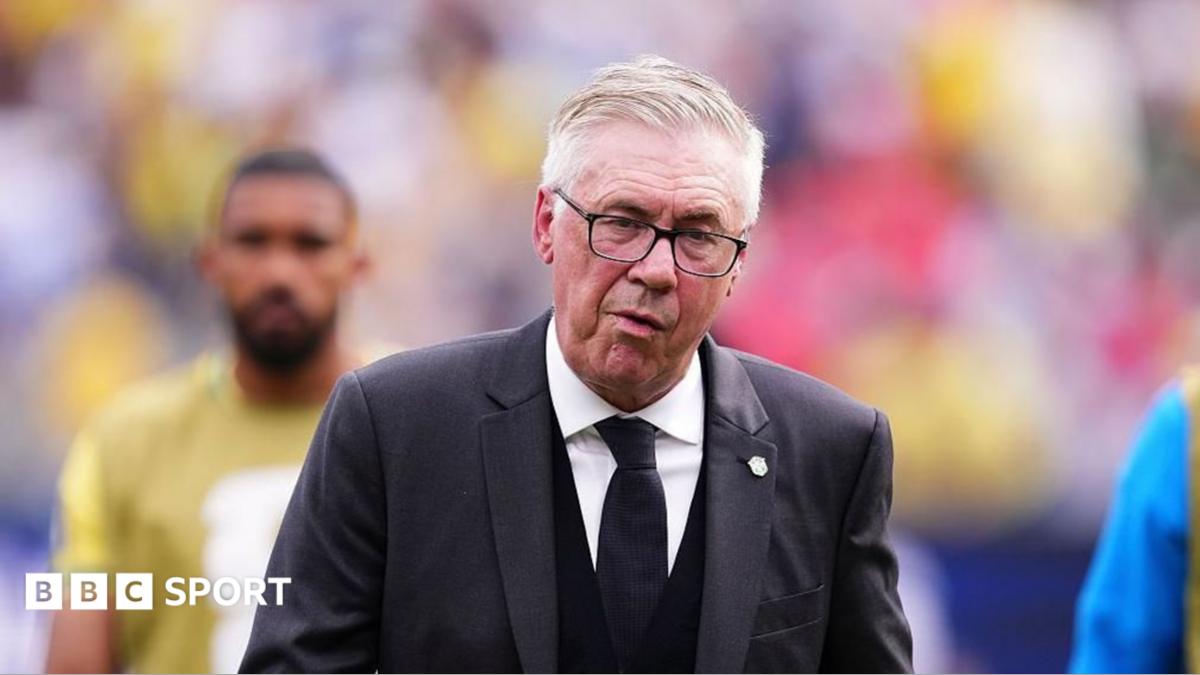
Carlo Ancelotti’s name entering the discussion is significant because he represents a very different kind of solution: a coach with elite experience, authority and a reputation for managing top-level dressing rooms. But even a manager of his standing cannot simply restore Brazil’s status without the right player base and a clear plan for transition.
If Ancelotti is the man to do it, his task would be less about cosmetic change and more about rebuilding the team’s competitive core. That means identifying which experienced players can still carry responsibility, which younger options can be trusted, and how Brazil can regain the intensity and clarity that have been missing in recent major tournaments.
For fans, the implication is stark. Brazil are not just chasing another deep run; they are trying to prove that their decline is temporary and reversible. The next phase will be judged not by nostalgia for past success, but by whether the team can turn a period of obvious vulnerability into a credible new cycle.
The question, then, is not only whether Ancelotti can coach Brazil well. It is whether anyone can quickly solve a deeper problem that has been exposed across multiple tournaments: a famous football nation that still has talent, but may need a far more decisive rebuild than many expected.
Source note: This article was prepared using publicly available information from BBC Sport and expanded with editorial context.
Share this content: