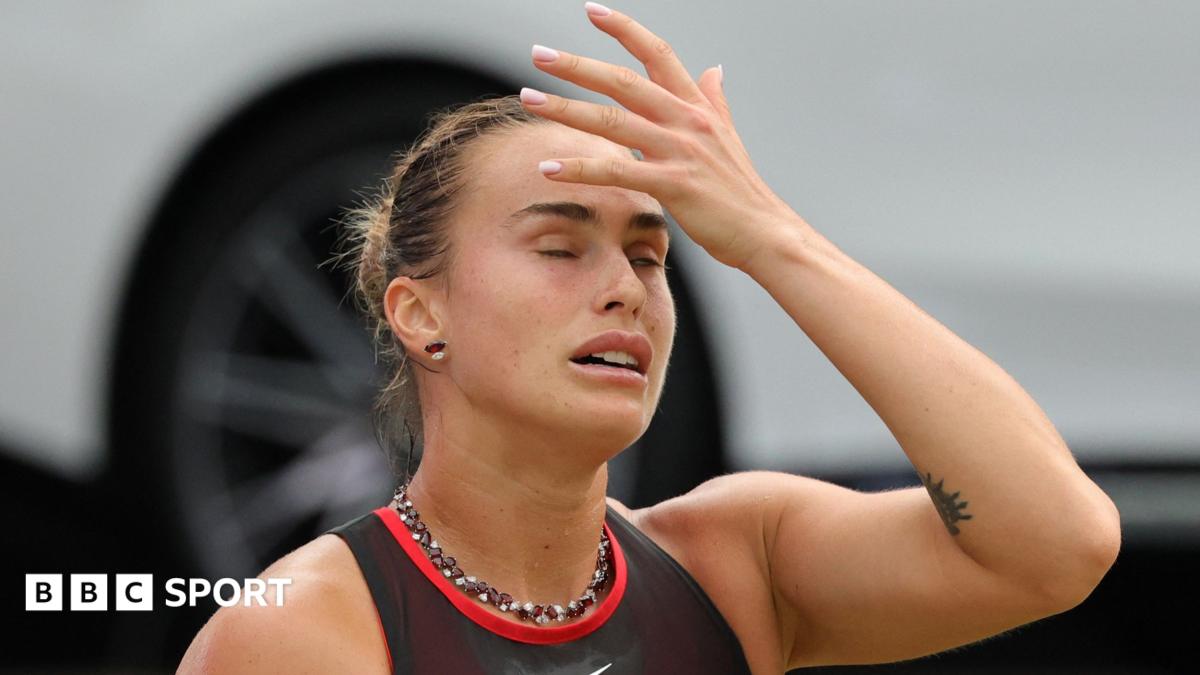
Aryna Sabalenka’s exit at the Berlin Open was notable not just because the world number one lost to Jessica Pegula, but because of the manner of the defeat. Sabalenka was beaten in a deciding set that ended 6-0, a scoreline that immediately raises questions about momentum, composure and the physical or mental edge required in the biggest moments of a match.
Pegula’s win sends her into the Berlin Open final and adds another significant result to her record against one of the sport’s leading players. For Sabalenka, the result will sting because it fits an uncomfortable pattern: another deciding set lost without winning a game. At the top level, those kinds of collapses are rarely just about one bad set. They can point to a broader issue in closing out tight matches when pressure rises and margins become razor-thin.
What the result says about Sabalenka
Sabalenka has built her reputation on power, aggression and the ability to overwhelm opponents when her game is firing. But matches like this show how quickly control can slip when an opponent absorbs the pace, extends rallies and forces the world number one to keep making the extra shot. A 6-0 final set is especially striking because it suggests the contest moved sharply away from Sabalenka once the decisive phase began.
For supporters, the concern is not simply the loss itself. It is the repeated nature of the problem in deciding sets, which can become a talking point around a player’s readiness for the later stages of major tournaments. Even for an elite competitor, recurring late-match setbacks can shape the narrative around confidence and resilience.
Pegula’s win and the final ahead
For Pegula, this was the kind of result that can matter beyond one tournament. Beating the world number one is always a statement, and doing so to reach a final gives the victory extra weight. It suggests she handled the key moments better and was able to maintain her level as the match tightened.
From a broader perspective, the result is another reminder that the women’s game remains highly competitive at the top. Rankings matter, but they do not guarantee control in a match where one player can seize momentum quickly. Pegula’s place in the final now gives her a chance to turn a strong performance into a title push, while Sabalenka is left to regroup and address a pattern that could matter again in bigger events ahead.
Source note: This article was prepared using publicly available information from BBC Sport and expanded with editorial context.
Share this content: