World Cup finals are not judged only by the trophy lift at the end. They are remembered for the tension, the quality of the football, the personalities involved and the way they shape the wider story of the tournament. That is why BBC Sport’s attempt to rank the best finals is likely to spark debate well beyond the usual nostalgia cycle.
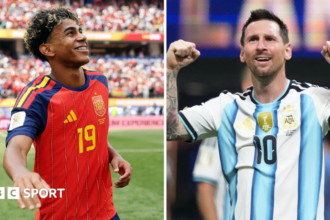
The feature points to several of the most recognisable showpieces in the competition’s history, including Brazil’s 1970 triumph at the Azteca, England’s victory on home soil in 1966 and Lionel Messi’s first World Cup final. Those references alone show how the final has evolved from a single match into a cultural event that can define generations of supporters.
Why World Cup finals carry so much weight
Unlike many other major football matches, a World Cup final is both a sporting contest and a historical marker. It can confirm the greatness of a team, elevate a player’s legacy and become the defining image of an era. For supporters, the final is often remembered as much for emotion as for tactics: the pressure, the atmosphere and the sense that one result can alter how an entire tournament is viewed.
That is especially true when the finalists include iconic names such as Pele or Lionel Messi. Their presence adds another layer to the conversation because the final becomes part of a broader discussion about individual greatness, not just national success. England’s 1966 win remains central to the country’s football identity, while Brazil’s 1970 team is still treated as a benchmark for attacking excellence.
What the ranking debate means for fans
Features like this are useful because they remind supporters that football history is not fixed in a single order. Different generations value different things: some prefer tactical quality, others drama, and others the emotional weight of a famous result. A ranking of finals inevitably reflects those priorities, which is why it can feel both subjective and revealing.
For readers, the real value is in the conversation it opens. Which final mattered most because of the football played? Which one carried the biggest cultural impact? Which one best captured the spirit of the tournament? BBC Sport’s list does not settle those arguments, but it gives them fresh relevance at a time when World Cup history continues to shape how the modern game is discussed.
In that sense, the feature is less about declaring a definitive winner and more about revisiting the moments that made the World Cup final the most watched and most debated match in football.
Source note: This article was prepared using publicly available information from BBC Sport and expanded with editorial context.
Share this content: