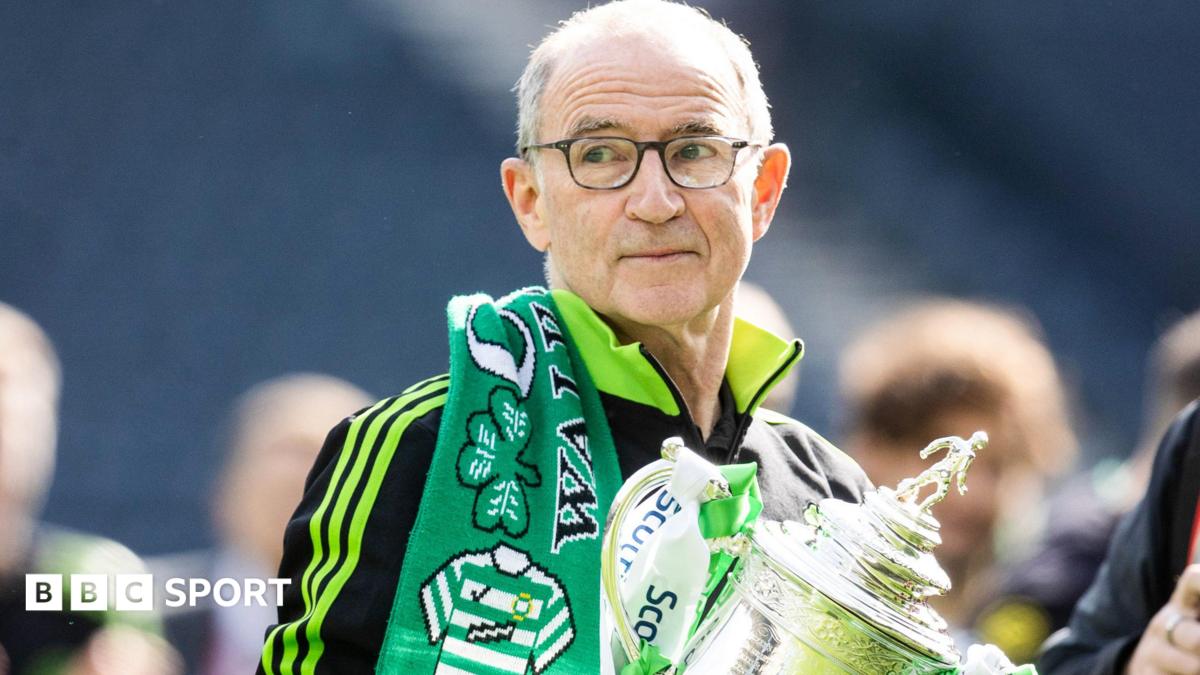
Martin O’Neill’s assessment that last season was a “wake-up call” for Celtic lands at an important moment for the club. After a campaign that still ended with silverware, the bigger question is not what Celtic achieved, but whether the standards behind those achievements were high enough to satisfy the demands of another season at the top.
For supporters, that distinction matters. Winning trophies can mask deeper issues, especially at a club where domestic dominance is expected and European progress is always part of the conversation. A warning like O’Neill’s suggests the concern is not about one result alone, but about whether Celtic’s overall level, intensity and planning were strong enough across the campaign.
Why the warning matters
When a former manager of O’Neill’s stature talks about a wake-up call, it inevitably sharpens the focus on recruitment, squad balance and the speed of decision-making. Summer windows are often judged by the names brought in, but just as important is whether those moves address the real weaknesses exposed over the previous season.
For Celtic, that means the club’s response has to be measured not only by activity, but by relevance. If the previous season showed gaps in consistency, depth or tactical flexibility, then simply adding numbers will not be enough. The challenge is to make sure the squad is better equipped for the demands of another title race and the higher-level tests that come with it.
What supporters will want to see
Supporters will be looking for evidence that the club has understood the message quickly. In a successful environment, the danger is complacency: the assumption that domestic success can be repeated without significant adjustment. O’Neill’s comments cut against that idea and place pressure on Celtic to show urgency in the market and clarity in their planning.
That urgency is especially important because the summer period sets the tone for the season ahead. Early business can shape confidence in the stands and in the dressing room, while hesitation can create uncertainty. For a club of Celtic’s size, the expectation is that lessons are acted on before they become problems again.
The BBC’s framing of the issue is therefore less about a single quote and more about a broader test of ambition. Celtic were successful enough to finish as double winners, but the real measure of progress will be whether the club has used that success as a platform for improvement rather than a reason to stand still.
In that sense, O’Neill’s “wake-up call” is not just a retrospective judgment. It is a challenge to Celtic’s summer strategy and a reminder that at the top level, winning is only part of the job. The harder task is proving that the next step is already being taken.
Source note: This article was prepared using publicly available information from BBC Sport and expanded with editorial context.
Share this content: