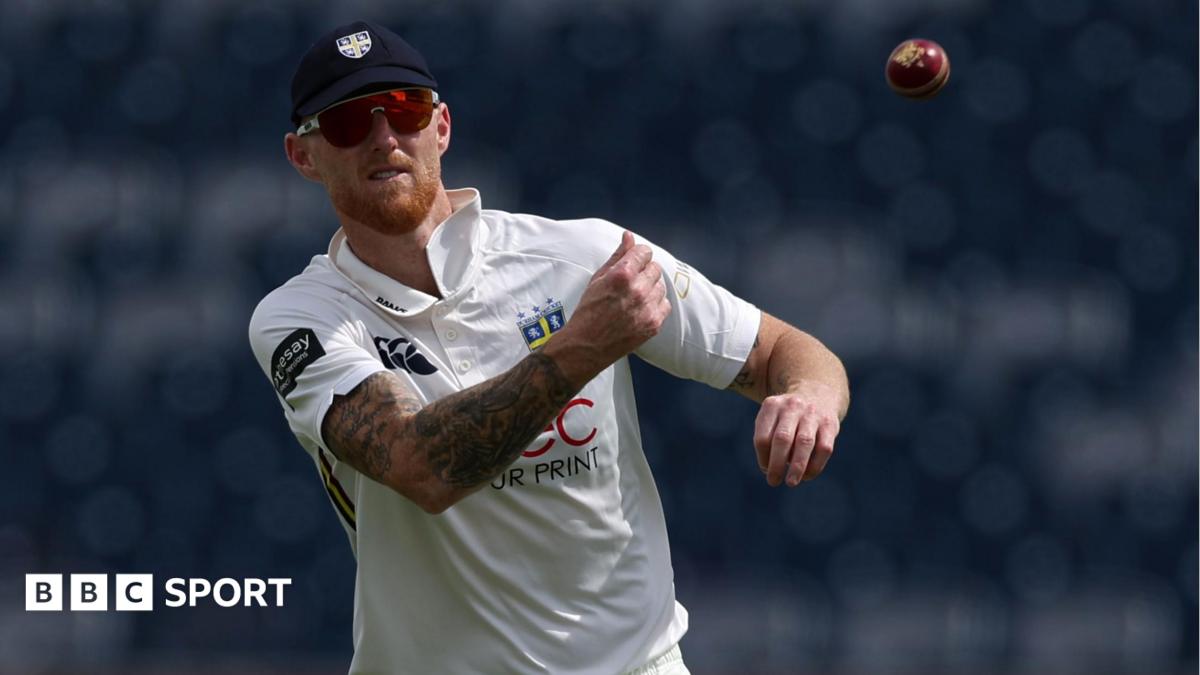
Durham chief executive Tim Bostock has moved to calm speculation around Ben Stokes after the England Test captain was omitted from the squad for the second Test against New Zealand following a breach of the team’s midnight curfew. Bostock’s reaction matters because Stokes is not just England’s captain, but also one of the most scrutinised figures in English cricket, with every off-field incident quickly becoming part of a wider debate about leadership, discipline and availability.
The BBC report says Bostock was “bemused” by doubts over Stokes’ state of mind after the incident in a London nightclub. That wording is significant: it suggests Durham do not see the episode as evidence of a deeper issue, even if England’s management felt the curfew breach required a response. For supporters, the immediate concern is less about the nightclub itself and more about what the omission means for England’s balance in a Test match and for Stokes’ role in the side going forward.
Why Stokes’ absence matters for England
Stokes is central to England’s Test identity. As an all-rounder, he affects the game with bat, ball and leadership, and his presence often shapes selection as much as performance does. When he is unavailable, England lose not only a senior player but also a tactical option who can change the tempo of a match. That makes any absence, even one driven by discipline rather than injury, a notable selection issue.
The curfew breach also places England’s management in a familiar position: balancing standards against the practical reality of replacing a player of Stokes’ calibre. In Test cricket, where preparation and routine are heavily valued, disciplinary decisions can carry as much symbolic weight as sporting ones. For the dressing room, the message is clear that standards apply to everyone, including the captain.
What Durham’s response tells us
Bostock’s comments are also a reminder that Stokes’ club environment may view the situation differently from the national setup. Durham’s stance, at least as reported, appears to be that the incident should not be overinterpreted. That is important because Stokes’ reputation has often been shaped by high-profile moments, and public reaction can quickly outrun the facts available.
For England supporters, the key question is whether this remains a one-off disciplinary matter or becomes part of a broader availability concern. Based on the report, there is no evidence of anything beyond the curfew breach and the resulting omission from the second Test squad. The immediate football-style takeaway, if one can borrow the language of squad management, is that England have had to plan without one of their most influential players while Durham are pushing back against the idea that the incident reflects a deeper problem.
In that sense, the story is less about scandal and more about control: control of standards, control of narrative and control of a player whose importance to England means even a single night out can dominate the conversation.
Source note: This article was prepared using publicly available information from BBC Sport and expanded with editorial context.
Share this content: