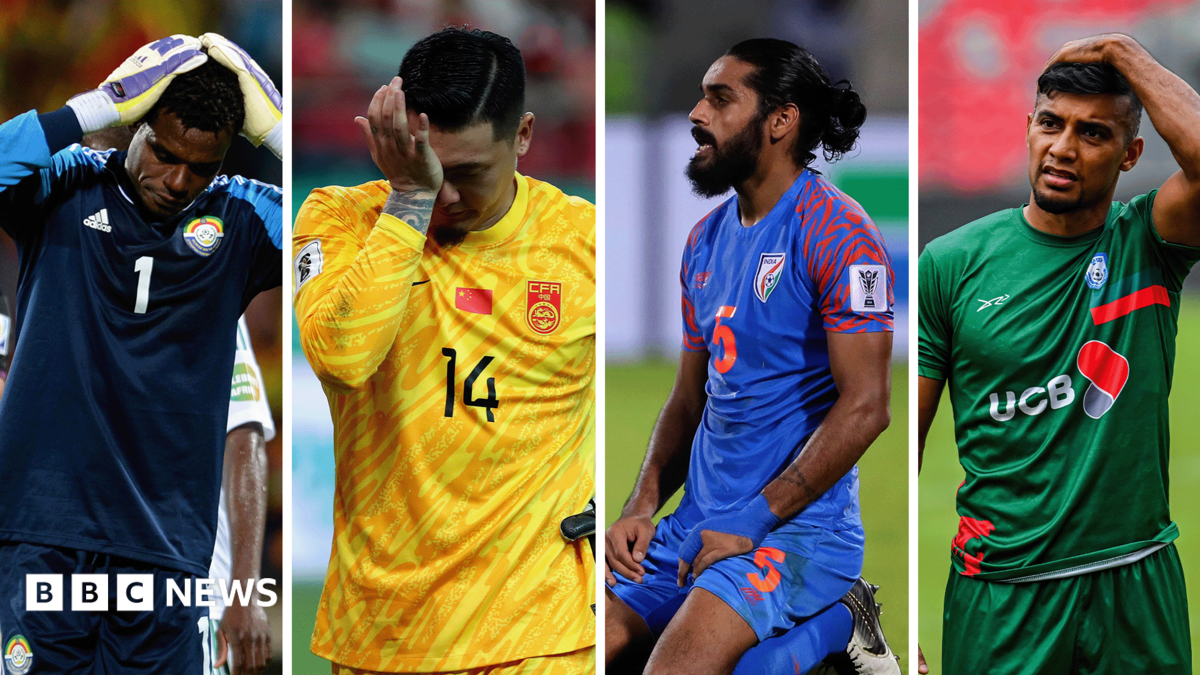
The World Cup’s appeal is often measured by television audiences, social media reach and the size of the crowds that gather around it. But one of the most striking angles in the BBC’s report is not about who is playing, but who is missing: eight of the 10 most populous countries are not in the tournament. That fact alone underlines how uneven global qualification remains, even for the sport’s biggest event.
For supporters in countries outside the field, the World Cup can still feel intensely personal. The BBC’s reference to Bangladeshi fans captures that reality well. Even without their own national team involved, many supporters still follow the competition closely, treating it as a shared football festival rather than a purely domestic success story. That emotional connection is part of why the tournament remains so powerful far beyond the nations actually competing.
Messi moment adds to the tournament’s pull
The source also points to Lionel Messi scoring his first 2026 FIFA World Cup goal on 17 June, a reminder of how individual star power continues to shape the competition’s global profile. Messi remains one of the most recognisable figures in world football, and moments involving him tend to travel well beyond traditional football audiences. For a tournament already defined by scale, that kind of headline helps explain why interest remains so high even in countries without direct representation.
There is also a broader sporting implication here. When some of the world’s largest populations are absent, the World Cup’s qualification structure inevitably comes under scrutiny. It raises familiar questions about access, development and the balance between football’s elite and its wider global base. For many supporters, especially in populous nations that miss out, the tournament becomes both a source of admiration and frustration.
What it means for supporters
For fans, the story is less about a single result and more about football’s reach. The World Cup still commands attention because it offers a rare shared moment across continents, even when national allegiance is not directly represented. That is why gatherings of fans can still be packed and emotionally charged, as the BBC described, with the tournament serving as a global event in the fullest sense.
In editorial terms, the takeaway is clear: the World Cup’s prestige is not limited to the teams on the pitch. Its influence is also measured by the millions watching from outside the bracket, including supporters in countries that are not there but remain deeply invested in the drama.
Source note: This article was prepared using publicly available information from BBC Sport and expanded with editorial context.
Share this content: