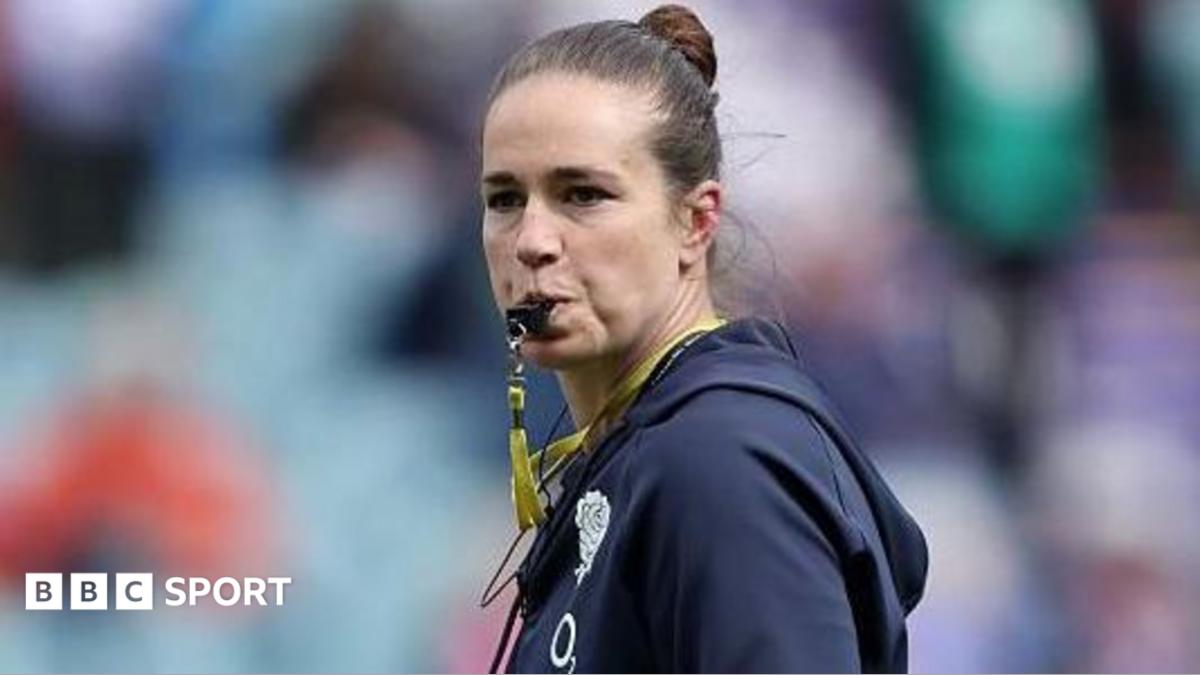
Emily Scarratt’s move into a permanent role with the England coaching team is a notable development for the Red Roses, even if the BBC report is brief on the detail. For England, keeping a figure of Scarratt’s stature inside the set-up is as much about continuity and standards as it is about coaching numbers. She is one of the most recognisable names in English women’s rugby, and her long-term commitment suggests the national side wants to preserve elite experience within the environment.
Why Scarratt’s presence matters
Scarratt is England’s record points-scorer, which gives her a level of authority that cannot be manufactured. Players and staff alike will understand the value of having someone who has lived through the pressure of international rugby, major tournaments and the demands of sustaining success at the top level. In practical terms, that kind of background can help with game management, decision-making and the finer details that often separate strong teams from title-winning ones.
For supporters, the news should be read as a sign that England are investing in stability rather than making a dramatic reset. In women’s rugby, where elite programmes are increasingly judged on their ability to retain knowledge and develop pathways, keeping a decorated former player close to the squad can be a major advantage. It also reinforces the idea that the Red Roses are building around people who understand the culture of winning from the inside.
What it could mean for England
The BBC report does not specify Scarratt’s exact coaching responsibilities, so it would be wrong to overstate the tactical impact of the appointment. Even so, her permanent commitment points to a broader strategy: England appear keen to blend technical coaching with lived international experience. That can be especially useful in a high-performance setting, where small improvements in preparation, communication and composure can have a big effect on results.
There is also a symbolic layer to the move. Scarratt has been one of the defining figures of English women’s rugby, and her transition into coaching keeps a familiar leader connected to the next generation. For a team with ambitions to remain at the top of the women’s game, that continuity may prove just as important as any short-term personnel change.
While the source does not provide a full breakdown of the appointment, the headline message is clear: England have secured a major rugby figure for the long term, and that should be viewed as a positive step for the Red Roses’ future planning.
Source note: This article was prepared using publicly available information from BBC Sport and expanded with editorial context.
Share this content: