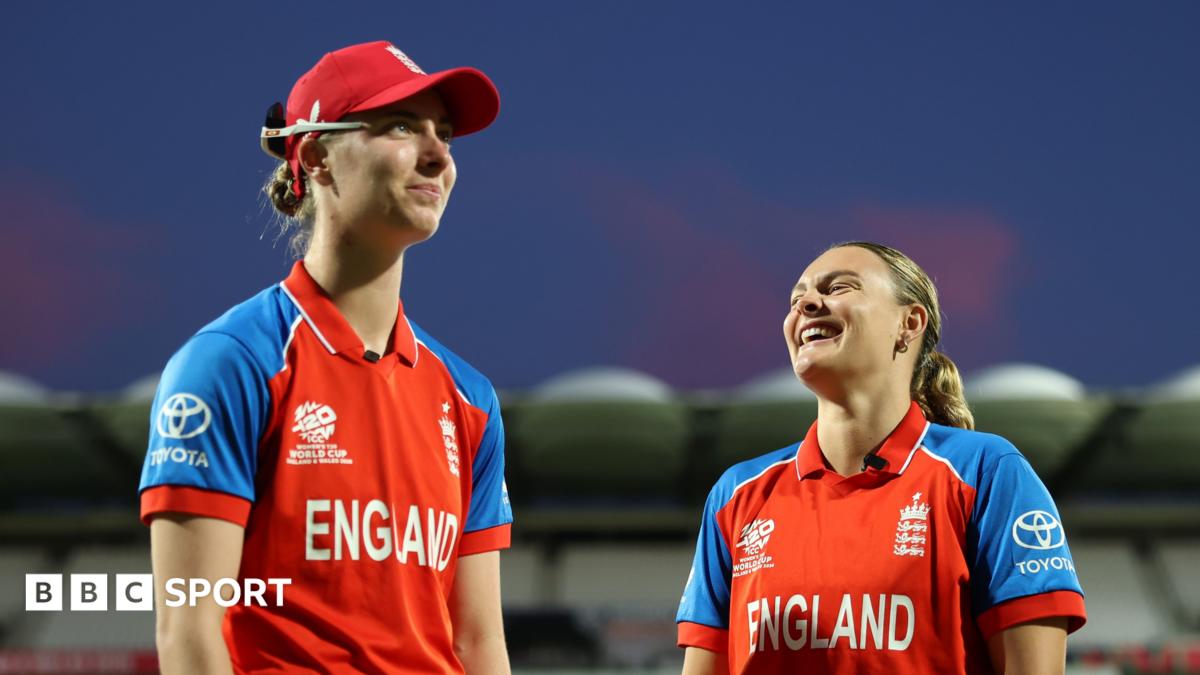
England’s batting conversation has taken on a sharper edge after Charlotte Edwards suggested the side might have gone all the way at last year’s 50-over World Cup if Freya Kemp and Dani Gibson had been available. That is a significant claim, not because it can be proved now, but because it reflects how highly the pair are being viewed in the current England set-up.
The BBC’s framing of the story — “How ‘Kemp-son’ are solving England’s batting problem” — points to a broader issue that has followed England for some time: finding enough reliable batting depth without weakening the balance of the side. In modern white-ball cricket, that balance matters as much as individual talent. Teams that can bat deep are better placed to absorb pressure, attack late in an innings and cover for injuries or dips in form.
Why Kemp and Gibson matter
Freya Kemp and Dani Gibson are being discussed not simply as promising names, but as players who may help England bridge a gap between top-order responsibility and lower-order support. For supporters, that is encouraging because it suggests England are not relying only on established batters to carry the load. Instead, there is a sense that the squad is developing more flexible options, which can be decisive in major tournaments.
Edwards’ view also adds a retrospective layer to England’s World Cup story. When a coach or senior figure says availability could have changed the outcome of a tournament, it usually signals both confidence in the players mentioned and frustration at what was missing. In this case, the point is less about rewriting history and more about highlighting how thin the margins can be at elite level.
What it means for England
For England, the practical implication is straightforward: if Kemp and Gibson continue to offer batting value, selection conversations become more competitive and more tactical. That can only help a side that has at times looked in search of the right combination. It also raises the standard for everyone else, because depth is only useful if it is backed by consistency.
For fans, the story offers a familiar but important reminder. Tournament success is rarely about one star or one missed chance; it is usually about whether the squad has enough answers when the pressure rises. If Kemp and Gibson are indeed part of solving England’s batting problem, then their emergence could matter well beyond one World Cup cycle.
The headline may be playful, but the underlying message is serious: England are still trying to build a batting unit that can stand up to the demands of top-level white-ball cricket, and the availability of the right all-round options may prove crucial.
Source note: This article was prepared using publicly available information from BBC Sport and expanded with editorial context.
Share this content: