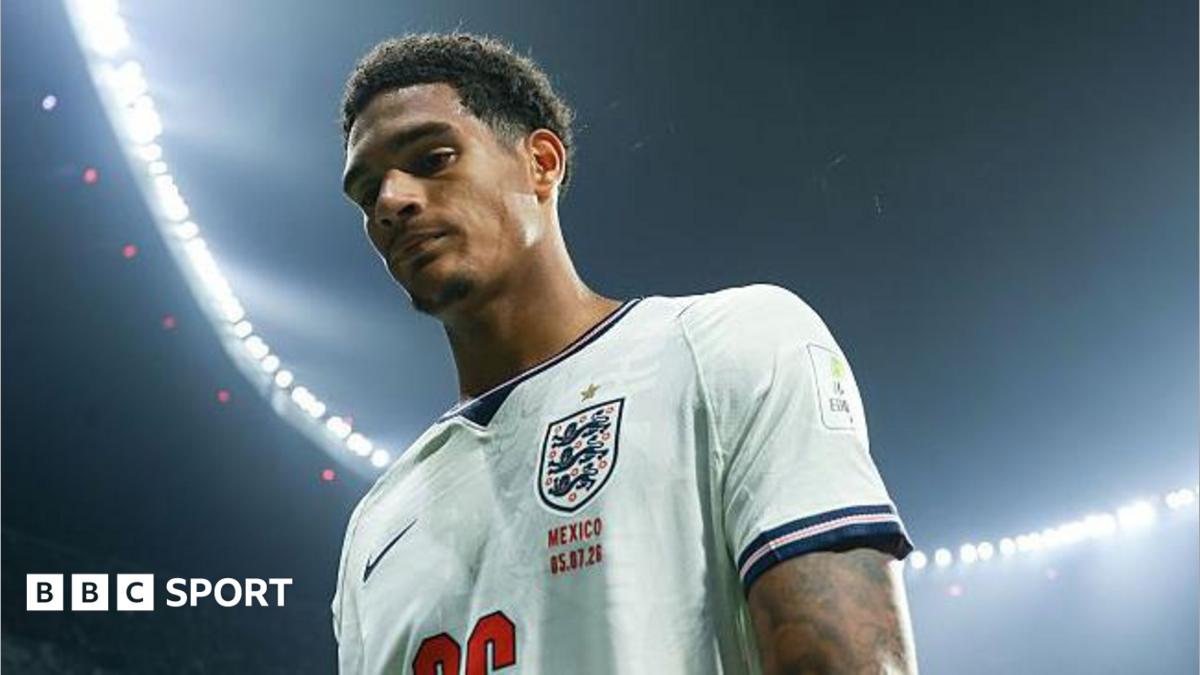
FIFA’s handling of Jarell Quansah’s two-match World Cup ban has become a story in its own right after the head of the governing body’s disciplinary committee declined to answer BBC questions about how the decision was reached. For England, that silence does little to reduce the uncertainty around a sanction that could affect squad planning and selection at a major tournament.
The BBC report does not set out the full disciplinary reasoning, but the refusal to engage with questions about the process is significant. In tournament football, where suspensions can reshape a team’s defensive balance in an instant, transparency matters. Supporters and coaches alike want to understand not just the punishment, but why it was applied and whether the same standards are being used consistently.
Why the decision matters for England
Quansah’s ban is important because it removes a defender from England’s options for two World Cup matches. Even without the wider details of the incident, the practical impact is clear: a squad that expects to compete deep into the tournament must now account for an enforced absence. That can influence everything from the starting XI to the balance of the bench, especially if England are already managing fitness concerns or tactical rotation.
For a national team, disciplinary setbacks are rarely isolated. They can alter how a manager structures the back line, whether a more conservative full-back is selected, and how much risk is taken in possession. If a young defender is unavailable, the knock-on effect can be felt in leadership, set-piece organisation and the overall rhythm of the team.
Transparency and trust under the spotlight
The BBC’s questions point to a broader issue that often follows high-profile bans: supporters want clarity, not just a verdict. FIFA’s disciplinary processes are frequently scrutinised because they sit at the intersection of sporting law, tournament integrity and public confidence. When officials decline to explain themselves, it can deepen suspicion even if the original decision is technically correct.
For England, the immediate concern is not the politics of the process but the footballing consequence. A two-game ban at a World Cup can be costly, particularly in the group stage or during the knockout rounds when margins are tight and squad depth is tested. The absence of a defender also places more pressure on the remaining back-line options to stay disciplined and avoid further suspensions.
At this stage, the BBC report leaves more questions than answers. What is clear is that Quansah’s suspension is now part of England’s World Cup picture, and FIFA’s refusal to explain the reasoning has ensured the issue will remain under scrutiny until more detail emerges.
Source note: This article was prepared using publicly available information from BBC Sport and expanded with editorial context.
Share this content: