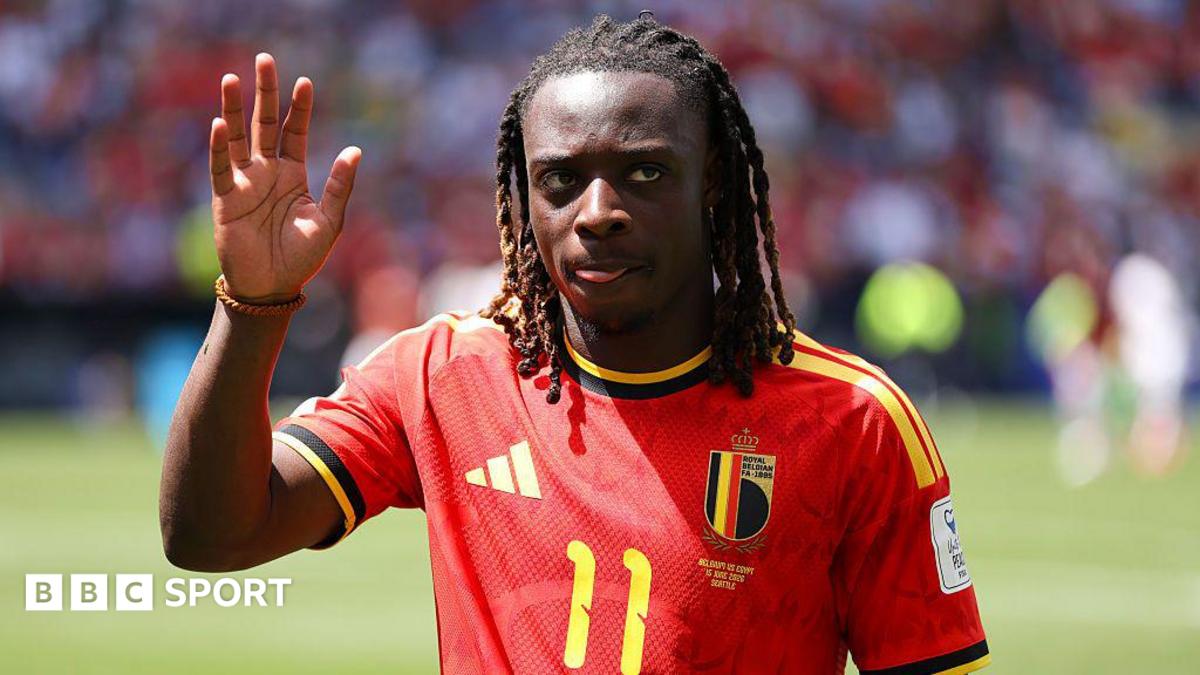
Jeremy Doku’s stance on putting family first has drawn attention beyond the pitch, with the wider football conversation centring on how players are judged when personal and professional responsibilities collide. The BBC’s report points to a familiar tension in elite sport: the expectation that athletes should always be available, even when major family moments are at stake.
That debate matters because it goes to the heart of how modern football is consumed. Supporters often see only the matchday version of a player, but the demands behind that performance are relentless. Travel, training schedules, recovery work and competitive pressure can make it difficult for players to balance career obligations with life events that, for most people, would be non-negotiable. Doku’s position, as presented in the source, reflects a simple but powerful message: family should not be treated as secondary.
Why the reaction matters
The reaction around Doku also shows how quickly football discourse can shift from performance to principle. When a player is criticised for prioritising a birth or a family commitment, the response often reveals as much about the sport’s culture as it does about the individual involved. In this case, the support around Doku suggests many within football recognise that parental moments are not distractions from the job, but part of life that deserves respect.
There is also a broader sporting context. The source draws a comparison with darts player Rob Cross, who missed the birth of his third child in 2017 in order to qualify for the World Matchplay tournament. That example underlines how athletes in different sports can face similar pressures, where career-defining opportunities arrive at the same time as deeply personal milestones.
What it means for supporters
For supporters, the story is less about tactics or transfer value and more about the human side of the game. Football increasingly markets itself on authenticity, connection and community, yet players are still often expected to suppress ordinary family priorities in the name of professionalism. Doku’s case has become a reminder that the best players are still people first.
From an editorial perspective, the significance lies in the conversation it has triggered. It is not only about one player’s decision, but about whether football’s culture is evolving toward a more realistic understanding of work, family and responsibility. The support for Doku suggests that many fans are ready to accept that some moments matter more than sport.
As the debate continues, the key takeaway is clear: elite football may demand total commitment, but it cannot erase the importance of family life. Doku’s situation has resonated because it speaks to a universal issue, one that reaches well beyond the boundaries of the game.
Source note: This article was prepared using publicly available information from BBC Sport and expanded with editorial context.
Share this content: