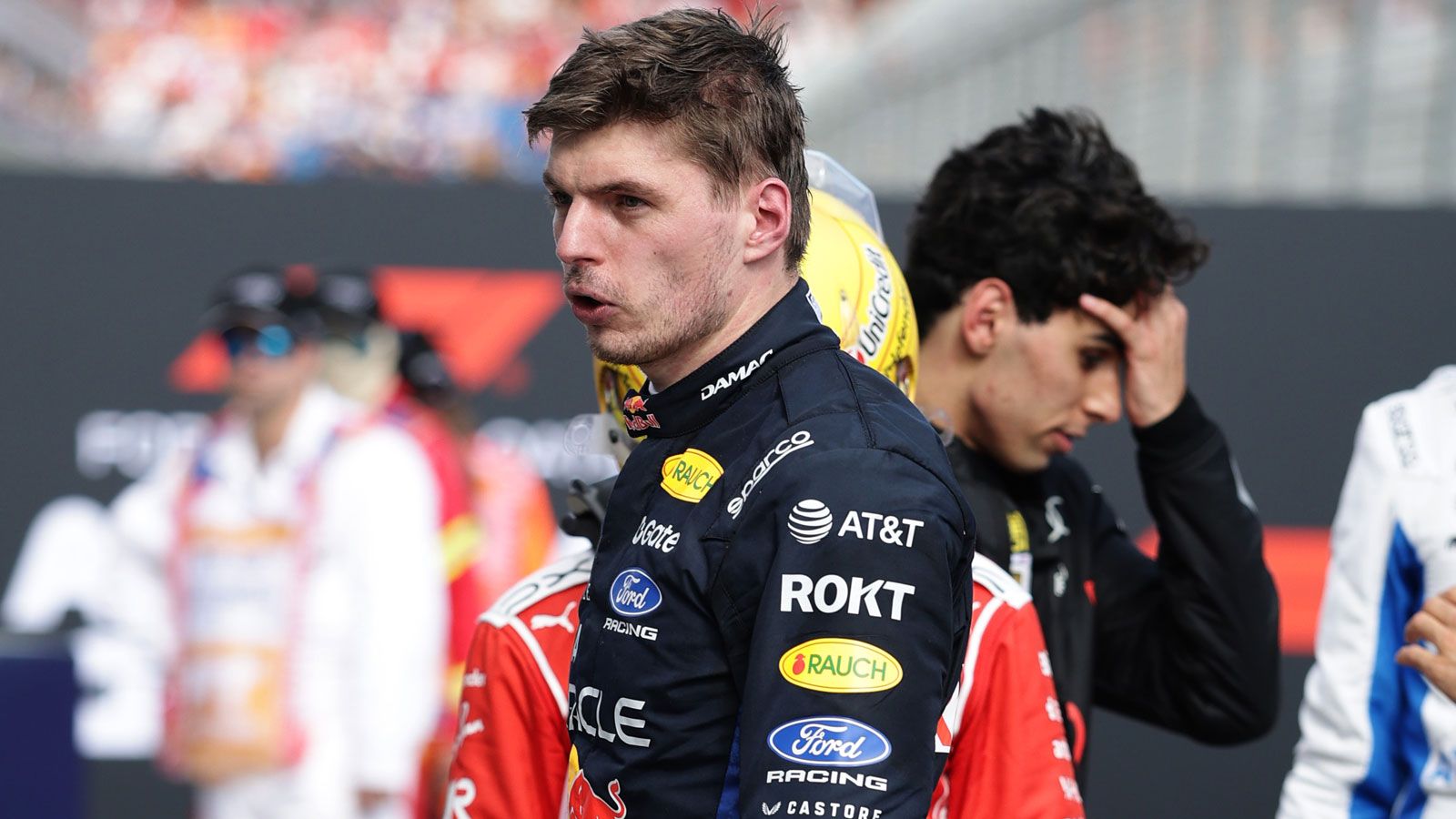
Formula 1 power units have been at the heart of fierce debate this season, with leading drivers like Max Verstappen voicing mounting frustration over the new electric-heavy regulations. As the championship pauses for its mid-season break, the sport’s governing bodies have opted for targeted adjustments rather than sweeping changes, aiming to address concerns while maintaining the innovative spirit of the series.
Formula 1 Power Units: Minor Regulation Tweaks Announced
The latest Formula 1 power unit rules, introduced this season, mark a significant leap toward electrification, with up to 50% of propulsion coming from electric motors. This shift has compelled drivers to adapt to a radical new driving style, generating both unusual overtaking scenarios and widespread criticism. Verstappen and others have labeled the setup “anti-racing,” citing a desire for less reliance on rear electric output. Despite these critiques, the possibility of a full rollback has never been seriously entertained.
Addressing Frustrations with Formula 1 Power Units
At a recent summit including teams, Formula 1 leadership, and the FIA, stakeholders discussed practical steps forward. Mercedes’ Toto Wolff aptly described the approach: “With a scalpel, not a baseball bat.” The focus remains on enhancing racing quality, maintaining uncompromising competition, and upholding safety standards.
A major pain point has been the qualifying format. Drivers are forced to replenish battery energy by slowing down in corners or lifting early on straights, making truly flat-out laps impossible. This setup contradicts the essence of Formula 1, where speed and precision are paramount.
Technical Tweaks to Improve Racing Flow
Two primary changes are set to be implemented. First, the energy recovery rate per lap will be limited, reducing the time drivers spend in battery recharge mode. Second, adjustments will allow for more frequent and sustained acceleration, even if this results in marginally slower lap times overall. These tweaks aim to restore the thrill of all-out racing and minimize the artificiality in current overtaking maneuvers.
Formula 1 Power Units and Safety Concerns
Safety has also come under increased scrutiny. Varying battery charge levels and the timing of electric power deployments have caused significant speed differentials, particularly during overtaking. Such discrepancies elevate the risk of rear-end collisions. The FIA’s new measures are designed to reduce these dangers by standardizing energy management, striving for consistency without stifling overtaking opportunities.
Improving Launch Consistency and Race Starts
Another focal point of the tweaks is to stabilize launch performance. Technical glitches and disparate speeds have marred the spectacle of clean race starts. By smoothing out energy delivery at the start, officials hope to ensure both fairness and safety from lights out.
Timeline and Future of Formula 1 Power Unit Rules
Pending final approval by the FIA World Motor Sport Council, these modifications could debut as early as the Miami Grand Prix on May 3. The sport’s leadership has emphasized a phased, cautious approach; additional fine-tuning may follow as the season progresses to prevent hasty or disruptive rule changes.
Despite strong criticism and the yearning among some drivers for a return to simpler power units, the current hybrid systems are here to stay—at least until 2030. Their inclusion is integral to Formula 1’s commitment to technical innovation and environmental responsibility.
What’s Next for Teams and Drivers?
Formula 1 teams are now grappling with optimizing strategies under the revised regulations. Speed inconsistencies from differing battery charge states and electric boosts continue to challenge pit-wall engineers and drivers alike. The tweaks are expected to reduce unpredictability, but adaptation will remain key as the season unfolds.
For more news and comprehensive coverage of Formula 1 and global football, visit for more news.
Opinion: Gradual Progress, Not Perfection
While these Formula 1 power unit tweaks may not fully satisfy the purists—or outspoken critics like Verstappen—they represent a necessary compromise between innovation, competition, and safety. The step-by-step approach allows the sport to evolve without alienating its passionate fanbase or stifling the competitive edge that defines Formula 1. In a rapidly changing motorsport landscape, incremental change may prove more sustainable and effective than radical overhauls.
Your global gateway to nonstop football coverage:
News Goal
Share this content: