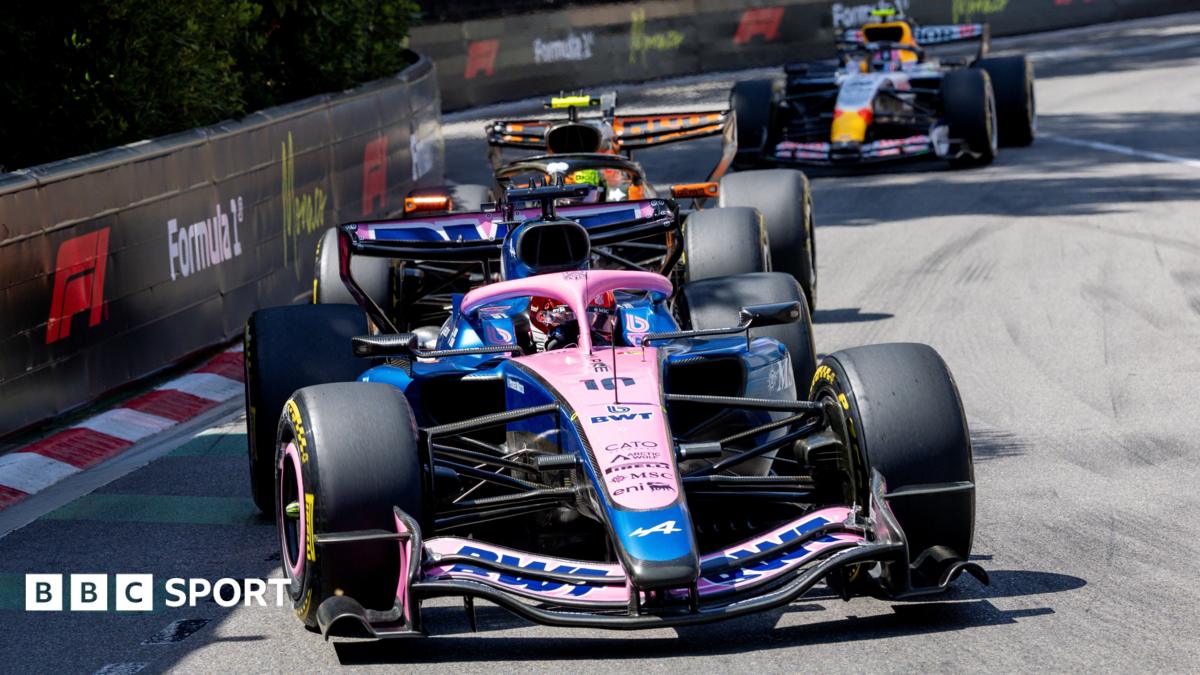
Formula 1’s return to Austria arrives with a familiar mix of momentum, pressure and unresolved debate. The BBC’s latest Q&A framed the conversation around Pierre Gasly’s podium as a question of fairness and consequence, asking whether it represented justice or whether it opened a “can of worms” that the sport may prefer not to revisit. That framing matters because F1 rarely leaves a controversial result in isolation; one outcome often feeds into the next round of scrutiny over rules, stewarding and competitive balance.
For supporters, that is part of the appeal and the frustration. A podium for a driver or team can feel like a breakthrough, but it can also trigger arguments about how the result was achieved and whether the wider field has been treated consistently. Gasly’s name being central to the discussion suggests the story is not just about one finish, but about what that finish says about the sport’s standards and the way close calls are judged.
Barcelona changed the tone of the season
The other major fact from the BBC’s discussion is that Mercedes were beaten in a grand prix for the first time this year in Barcelona, where Lewis Hamilton won. Even in a season where a team has been dominant, a single defeat can alter the tone of the championship conversation. It reminds rivals that the gap is not fixed, and it gives the chasing pack a reference point: Mercedes can be caught, even if only on a specific weekend and circuit.
Hamilton’s victory also keeps the spotlight on Ferrari, who remain part of the wider competitive picture even when they are not the headline act. In a season defined by fine margins, every race result becomes a data point for the next one. Austria, with its short lap and compressed field, often rewards precision, tyre management and qualifying execution, which means the lessons from Barcelona may matter as much as the raw result itself.
Why Austria could sharpen the debate
Round eight in the Styrian hills is not just another stop on the calendar. It is the kind of venue where small strategic decisions can have outsized consequences, and that makes it a useful test of whether recent form is sustainable. If Mercedes respond strongly, Barcelona may look like a brief interruption. If rivals close the gap again, the championship narrative becomes more open and more contentious.
For Gasly and for the teams around him, the significance is broader than one podium or one race weekend. F1 thrives on these moments because they force the sport to confront the tension between sporting merit and regulatory interpretation. That is why the BBC’s question lands: was the result a deserved reward, or the start of a debate that could linger well beyond Austria?
Source note: This article was prepared using publicly available information from BBC Sport and expanded with editorial context.
Share this content: