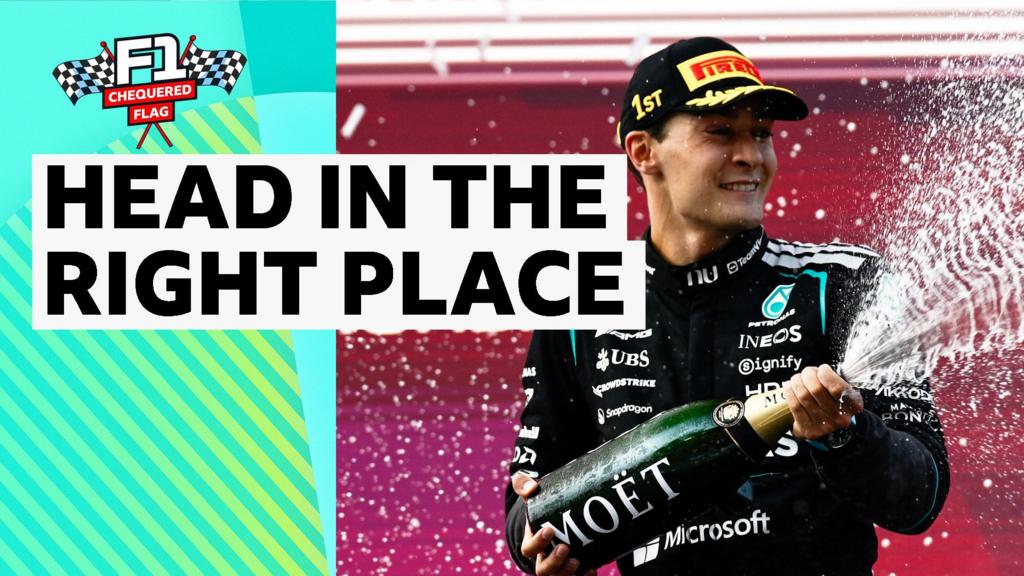
George Russell’s Austrian Grand Prix victory has been framed by BBC F1 correspondent Andrew Benson as more than just another result on the Formula 1 calendar. In Benson’s view, the way Russell managed the race reflected “maturity and experience” — a useful sign for a Mercedes driver still building the kind of authority that can define a season.
That matters because race wins in Formula 1 are rarely judged only by the trophy or the points. The manner of victory often tells a bigger story about a driver’s development, the team’s race execution, and whether the result can be repeated under pressure. For Russell, a composed win in Austria suggests a driver increasingly comfortable in the sharper end of the field, where decisions are made in seconds and mistakes are punished immediately.
Why this win matters for Mercedes
For Mercedes, the result offers a timely lift. The team has spent recent seasons trying to close the gap to the front-runners and re-establish itself as a consistent race-winning force. Any victory that comes with control rather than chaos is valuable, because it reinforces confidence inside the garage and gives the team a clearer reference point for future weekends.
Russell’s performance also arrives at an important moment in the season narrative. A strong result before Silverstone carries extra weight because home races often amplify both expectation and pressure. For a British driver, the home crowd can sharpen the spotlight, but it can also provide momentum if the preceding form is strong. Benson’s assessment suggests Russell heads into that weekend with belief rather than uncertainty.
What it means for Russell at Silverstone
Silverstone is one of the most significant stops on the Formula 1 schedule for British drivers, and Russell’s win in Austria gives him a platform to build on. Confidence is not a vague talking point in elite motorsport; it can influence braking points, tyre management, and the willingness to commit when the race is finely balanced. A driver who has just delivered a composed victory is often better placed to handle those demands.
For supporters, the bigger takeaway is that Mercedes may be seeing signs of a more complete Russell — one capable not only of speed, but of controlling a race from the front. That combination is what teams want from a lead driver, especially in a championship environment where every point can shape the wider battle.
The BBC’s Chequered Flag podcast remains the place where that kind of race analysis is being unpacked in more detail, but the headline from Austria is clear: Russell’s win was not just important because he won, but because of how he won.
Source note: This article was prepared using publicly available information from BBC Sport and expanded with editorial context.
Share this content: