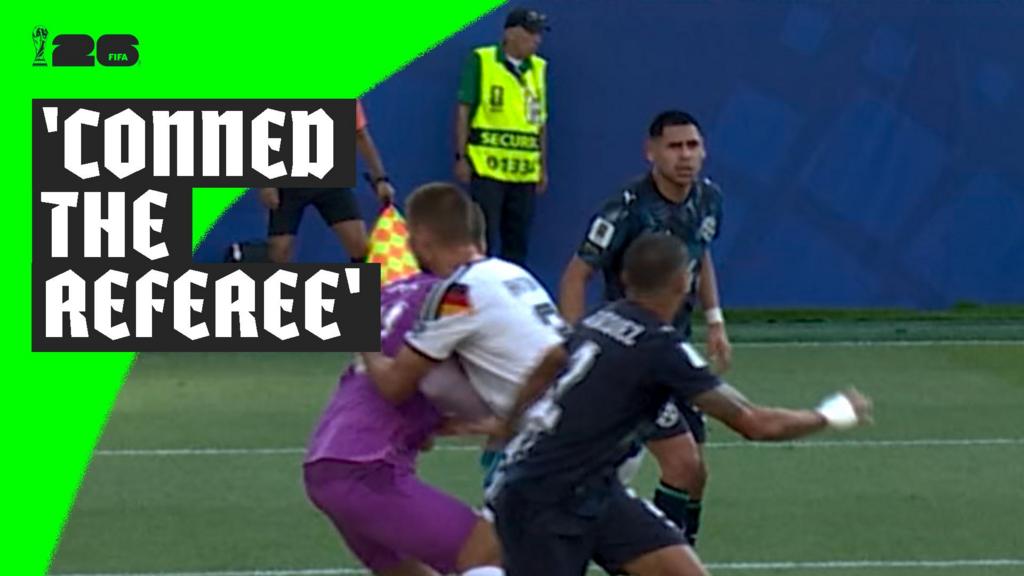
Germany were left frustrated after Jonathan Tah’s extra-time goal was controversially ruled out by VAR, with the intervention centred on a foul by Waldemar Anton on Paraguay goalkeeper Orlando Gill. The decision immediately became the defining moment of the incident, turning what looked like a decisive breakthrough into a flashpoint over interpretation and consistency.
A VAR call that changed the mood
From a supporter’s perspective, this is the kind of ruling that can reshape the emotional tone of a match in seconds. A goal in extra time often carries the weight of a winner, especially in a tight contest where margins are already thin. Instead, Germany were forced to absorb a decision that will inevitably be debated for its threshold of contact and the extent to which the goalkeeper was deemed to have been impeded.
The BBC’s framing of the incident as a “terrible decision” reflects how contentious the moment appeared. While VAR is designed to correct clear errors, it also continues to divide opinion when the final judgment depends on subjective interpretation. In this case, the key issue was not Tah’s finish itself, but the earlier challenge involving Anton and Gill, which led officials to overturn the goal.
What it means for Germany
For Germany, the practical consequence is obvious: a potentially decisive goal was taken away, and with it the chance to settle the contest in extra time. Moments like this can have a wider effect than the scoreline alone. They test a team’s composure, influence how aggressively they continue to attack, and can leave players wondering how much risk is worth taking in the final phase of a match.
For the coaching staff, the incident also underlines the importance of set-piece and box-entry detail. Goals in crowded penalty areas are often decided by the smallest contact, and teams at this level know that every block, run and challenge can be scrutinised frame by frame. Germany’s frustration is therefore not just about one call, but about the broader reality of modern officiating, where fine margins can override the instinctive reaction of players and fans.
Supporters will likely see this as another example of VAR’s ability to dominate the conversation long after the final whistle. Whether the decision is viewed as correct or not, the impact is the same: Germany were denied a goal that could have changed the outcome, and the controversy now becomes part of the story of the match.
Source note: This article was prepared using publicly available information from BBC Sport and expanded with editorial context.
Share this content: