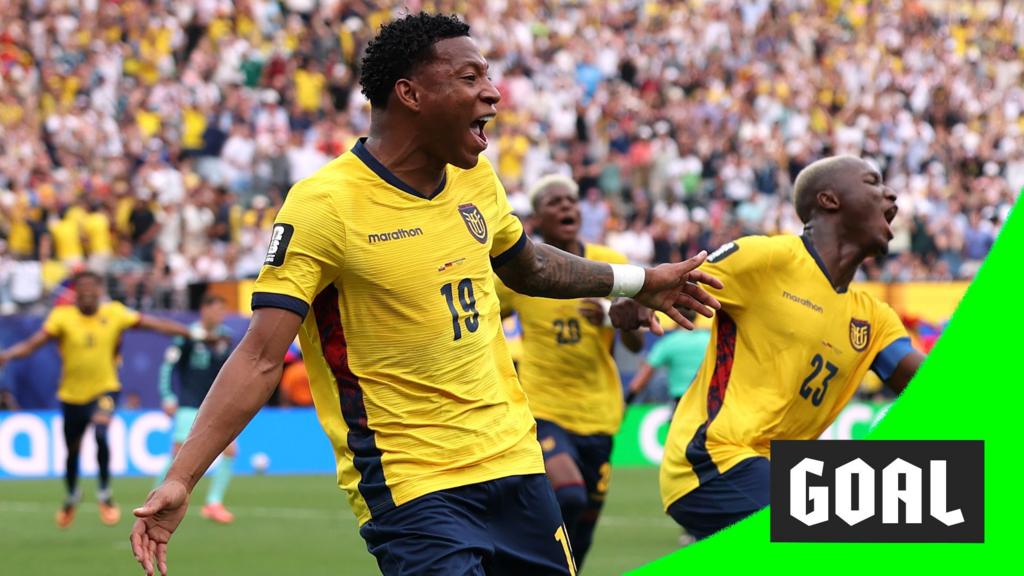
Gonzalo Plata’s sharp finish against Germany was the kind of moment that can define a World Cup group-stage contest. In a tight Group E match at New York New Jersey Stadium, Ecuador found a way through with a goal that rewarded alert movement, quick reactions and a willingness to attack the space behind a high-profile opponent’s back line.
The key detail was the speed of the move. Kevin Rodriguez’s flick-on over Manuel Neuer created the opening, and Plata reacted fastest to turn the chance into a 2-1 lead. At this level, those split-second decisions often matter more than elaborate build-up. Ecuador’s ability to stay alive to the second ball and finish the move under pressure showed the value of concentration in the final third.
Why the goal mattered for Ecuador
For Ecuador, a lead against Germany is more than just a scoreline advantage. It is a statement about their competitiveness in a group where every point can shape qualification hopes. Goals like this are often built on persistence rather than dominance, and that can be especially important for teams looking to frustrate a technically stronger opponent while still threatening in transition.
Plata’s contribution also underlines the importance of wide and advanced attackers who can arrive into scoring positions at the right moment. In tournament football, teams that can turn limited openings into goals tend to give themselves a real chance of progressing. Ecuador’s supporters will see this as evidence that their side can punish lapses even against elite opposition.
Germany punished by a moment of hesitation
For Germany, conceding in this manner is a reminder of how vulnerable even experienced teams can be when a direct ball bypasses the first line of pressure. Manuel Neuer’s presence usually gives a side confidence, but the danger in these situations is not only the goalkeeper’s positioning; it is also the reaction of defenders and midfielders to the second phase of play.
Matches at World Cup level are often decided by these small margins. A flick-on, a loose touch, or a delayed recovery run can change the rhythm of the game instantly. Ecuador’s goal showed that they were ready to exploit that moment, and that is exactly the sort of detail supporters remember when a group-stage match turns tense.
With the scoreline swinging in Ecuador’s favour, the wider implication is clear: Germany were forced to respond under pressure, while Ecuador gained belief from a goal that came from anticipation rather than luck. In a short tournament, that kind of momentum can be invaluable.
Source note: This article was prepared using publicly available information from BBC Sport and expanded with editorial context.
Share this content: