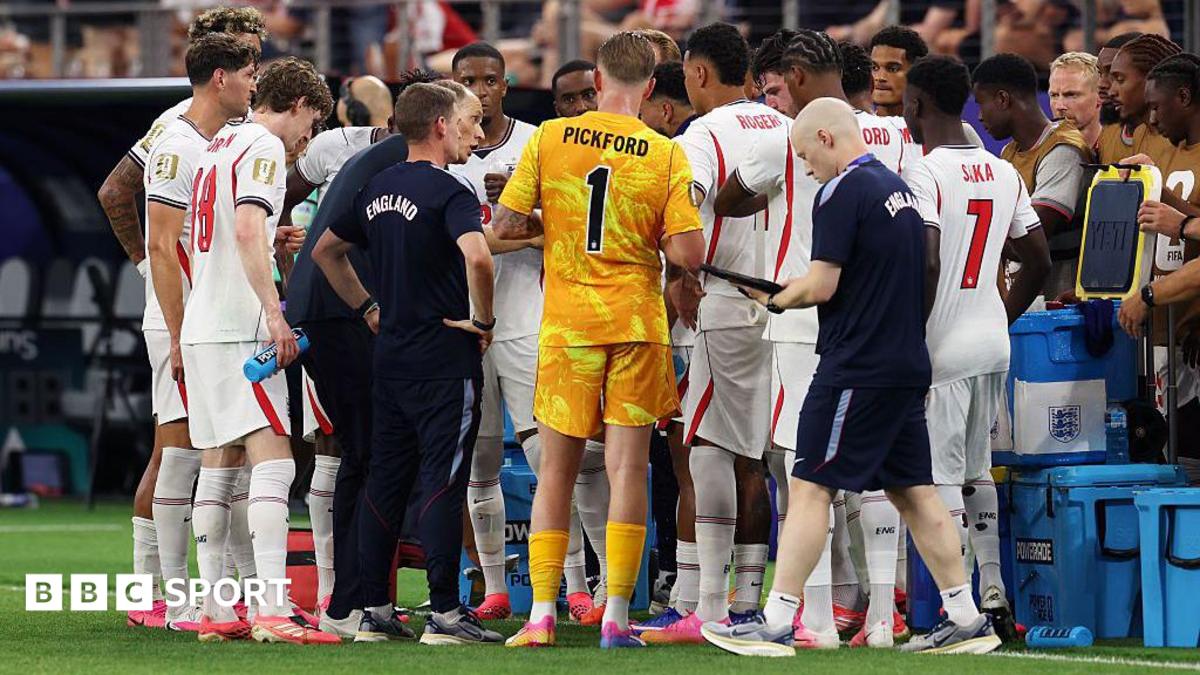
Mandatory hydration breaks have become more than a welfare measure at the World Cup. According to the BBC, they are also creating a significant new advertising window, with fans around the world exposed to an extra four minutes and 20 seconds of TV ads per match. Over the course of the tournament, that amounts to seven hours, 30 minutes and 40 seconds of additional commercial airtime.
For broadcasters and rights holders, that is a striking figure. For supporters, it is a reminder that modern football is increasingly shaped by the economics of the television product as much as by what happens on the pitch. The debate is not simply about whether hydration breaks are useful in hot conditions. It is also about whether football’s commercial appetite is now strong enough to turn even short pauses in play into premium inventory.
Why the commercial value matters
The BBC’s reporting points to a broader truth about the global game: once a competition reaches a certain scale, every stoppage can be monetised. That is especially relevant at a World Cup, where audience size and international reach make even brief interruptions valuable to advertisers. The result is a format that can be sold as both player protection and broadcast opportunity.
That commercial logic may not translate neatly elsewhere. The BBC notes that Uefa and the Premier League are seen as less exposed to this particular issue because they operate in more mature markets than Fifa. In practical terms, that suggests the World Cup is being used as a testing ground for a model that may be harder to replicate, or at least harder to justify, in domestic and continental football.
What it means for fans and football’s image
For supporters, the reaction is likely to remain mixed. Some will accept hydration breaks as a sensible response to heat and player safety. Others will see them as another sign that football’s pauses are being repurposed for commercial gain. The jeering described in the BBC’s framing reflects that tension: fans are not only reacting to the interruption itself, but to the feeling that the break serves broadcasters as much as the match.
There is also a wider reputational question. Football authorities often argue that the sport must evolve to protect players and improve the viewing experience. But when a welfare measure is immediately linked to a large advertising windfall, it becomes harder to separate sporting necessity from financial opportunism. That is why hydration break ads are likely to remain a talking point well beyond the tournament.
For now, the numbers are the clearest part of the story. Four minutes and 20 seconds per match may sound small, but at World Cup scale it becomes a substantial commercial asset. The real issue is whether football fans will tolerate that trade-off, or whether the sport risks pushing its monetisation too far in plain sight.
Source note: This article was prepared using publicly available information from BBC Sport and expanded with editorial context.
Share this content: