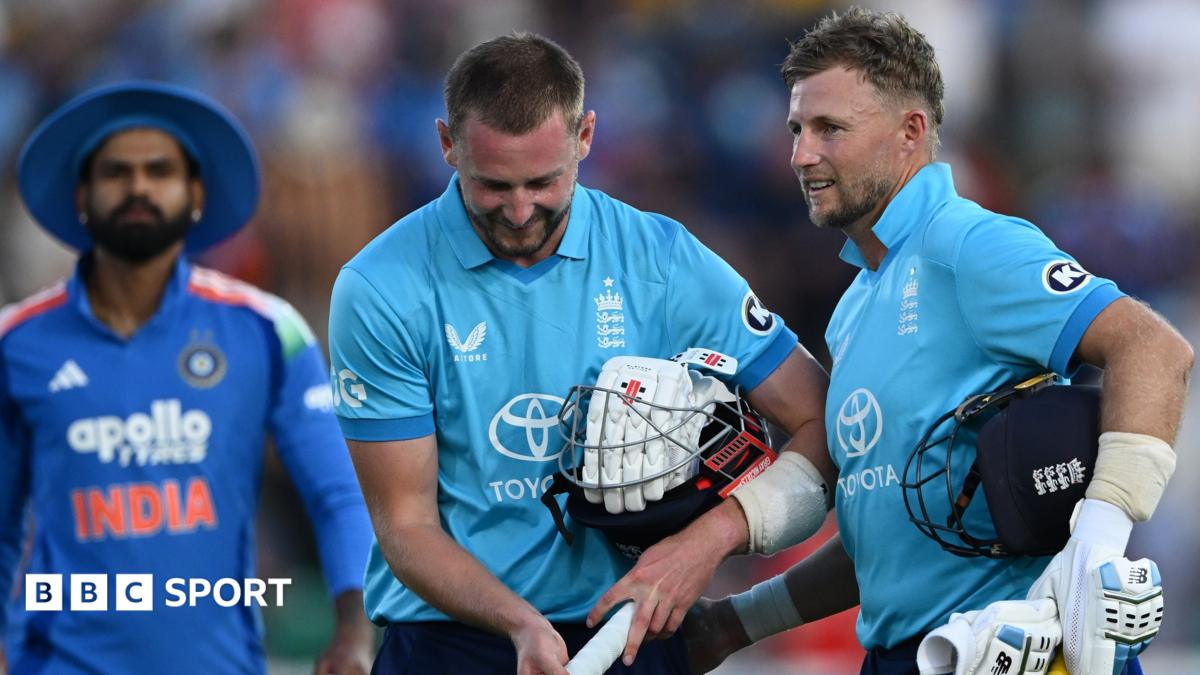
Joe Root’s message after England’s four-wicket win over India in Cardiff was as revealing as his batting. The former captain, who produced a chanceless 99 in difficult conditions, said parts of England’s ODI side are still having to learn the format on the job because they have not had enough exposure to 50-over cricket.
That is a significant admission for a team that continues to search for consistency in the one-day game. England’s white-ball identity has been built on aggression and tempo, but the modern schedule means players can go long stretches without regular ODI cricket. When that happens, decision-making under pressure becomes harder to automate, especially in matches where conditions demand patience rather than power.
Root’s innings underlined England’s experience gap
Root’s own performance showed why experience still matters. In a tricky chase, he was the batter most able to absorb pressure, manage the tempo and keep England moving without unnecessary risk. His 99 was not only the standout individual score of the match, it also provided the stability England needed to get over the line in a contest that was far from straightforward.
For supporters, the win offered both encouragement and a reminder of the side’s current state. England can still beat top opposition when senior players deliver, but Root’s comments suggest the team is not yet operating with the rhythm and familiarity that come from frequent ODI cricket. That matters in close games, where small errors in shot selection, running between the wickets or bowling plans can decide the result.
What the Cardiff result means for England
The victory over India gives England a useful result in the second ODI, but the broader takeaway is about development rather than dominance. Root’s assessment points to a squad in transition, with some players still adapting to the demands of a format that asks for a different balance of risk and control than T20 cricket.
That makes Root’s role even more important. Beyond the runs, he remains one of England’s most reliable readers of match situations, and his ability to steady an innings can be the difference between a chase that unravels and one that stays on track. In Cardiff, that calm was decisive.
England will take confidence from the result, but the underlying challenge remains clear: if the side wants to become more efficient in ODIs, it needs more players who can handle the format’s rhythms instinctively, not just react to them in the moment.
Source note: This article was prepared using publicly available information from BBC Sport and expanded with editorial context.
Share this content: