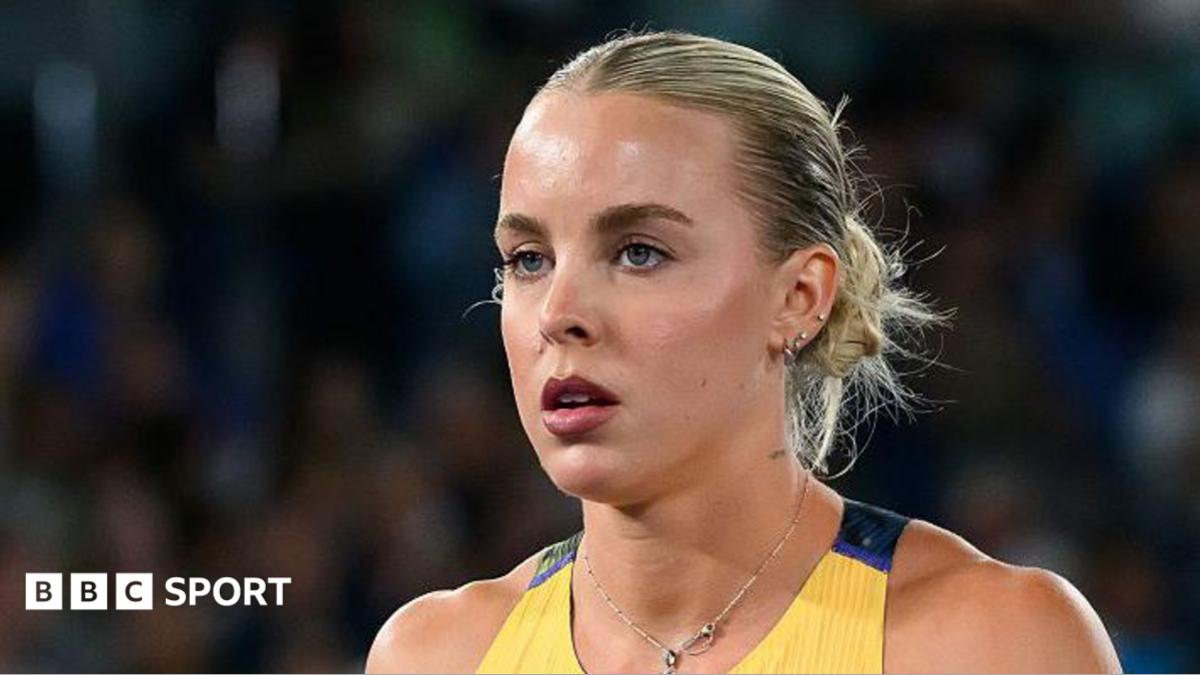
Olympic 800m champion Keely Hodgkinson’s latest outing in Eugene ended with another near miss, as she was beaten by Lilian Odira and had to settle for second place in a second straight Diamond League race. For a runner of Hodgkinson’s calibre, that will not trigger panic, but it does sharpen the focus on what this phase of the season is really about: speed, rhythm and the long-term target of peaking when it matters most.
Hodgkinson has been using shorter-distance races as part of a deliberate build-up aimed at improving her first-lap pace. That detail matters. In championship 800m running, the ability to get into position early can decide whether an athlete controls the race or spends the final bend fighting from behind. The decision to race down in distance is therefore less about immediate results and more about the mechanics of the bigger goal, which is to put herself in the best possible shape to challenge the 800m world record this summer.
What the Eugene result tells us
Finishing second twice in succession is not the kind of headline Hodgkinson would want, but it is also not evidence that her campaign is off track. In middle-distance running, early-season defeats can be part of a controlled process, especially when the athlete is prioritising specific race demands rather than chasing wins at all costs. Eugene offered another checkpoint, and the key takeaway is that Hodgkinson is still in the middle of a carefully managed progression.
For supporters, the result is a reminder that elite athletics often involves patience. A runner can look short of top sharpness in one phase and still be building toward a much stronger championship performance later. Hodgkinson’s status as Olympic champion means expectations are always high, but the broader context suggests this is a planned step rather than a setback that changes the shape of her season.
Why the shorter races matter
The tactical value of these races is clear. By sharpening her first-lap speed, Hodgkinson is working on one of the most important components of the 800m. Faster early pace can help her avoid tactical congestion, respond to surges, and create a platform for a stronger finish. If the summer target is a world-record attempt, then every race at a shorter distance becomes part of the evidence base for whether that speed work is translating into real competitive gains.
Odira’s win in Eugene therefore matters not only as a result, but as another marker in Hodgkinson’s preparation. The result will be noted, but the bigger story is the process: a champion refining her race model, accepting the odd defeat, and building toward the stage where medals and records are decided.
Source note: This article was prepared using publicly available information from BBC Sport and expanded with editorial context.
Share this content: