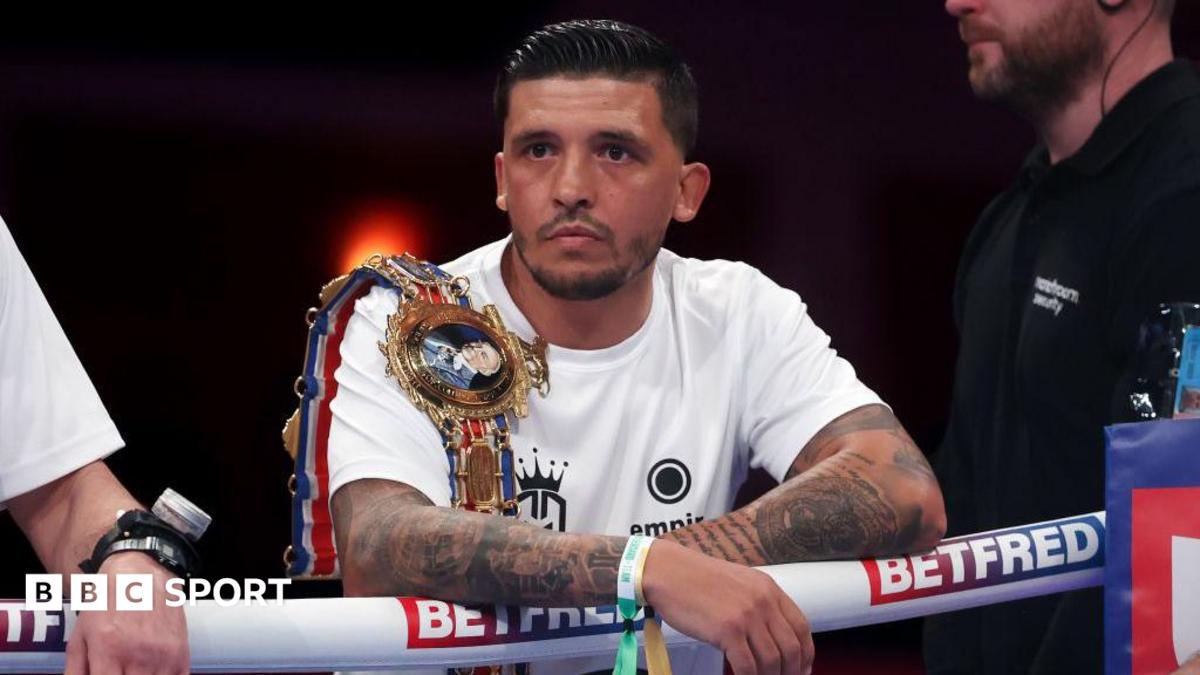
Lee Selby’s decision to move into bare-knuckle boxing is not the kind of career turn that can be reduced to a headline about shock value. According to BBC Sport’s feature, the former world champion and Olympian is fully aware of the risks and danger that come with the sport. That matters, because bare-knuckle boxing sits at the extreme end of combat sports: less protection, more visible damage, and a far thinner margin for error.
For supporters, the story is less about novelty and more about what it says about the end stages of a fighter’s journey. A boxer who has already reached the top level in the professional ranks does not usually step into a discipline like this without a strong reason. The BBC’s framing suggests Selby’s move is rooted in realism rather than bravado, which makes the decision more revealing than sensational.
What Selby’s move says about boxing’s hard edges
In boxing, the transition from elite competition to life after the gloves is often difficult. Fighters can remain marketable, but opportunities narrow quickly once the title fights and major purses fade. That context gives Selby’s choice added weight. Bare-knuckle boxing is not simply another combat-sport branch; it is a different risk calculation altogether, one that places durability, timing and toughness under even greater strain.
The BBC report does not present Selby as naïve about those realities. Instead, it points to a fighter making a conscious decision with his eyes open. That is important because it shifts the conversation away from spectacle and toward the practical pressures that can shape a boxer’s career path. For a former world champion, the move also raises questions about how much value the sport places on experience, and how fighters are able to use that experience once their traditional boxing peak has passed.
Why the story matters to fans
For fans, Selby’s switch is a reminder that boxing careers are rarely neat. The sport can produce champions, but it can also leave them searching for the next meaningful opportunity once the biggest nights are gone. Bare-knuckle boxing offers visibility and a new challenge, but it also brings a level of danger that many followers will view with concern.
That tension is what makes the story compelling. It is not just about one fighter trying something different. It is about the broader reality of combat sports, where reputation, livelihood and physical risk often collide. Selby’s background as a world champion and Olympian gives the move added significance, because it shows that even the most accomplished fighters can end up making difficult choices about how to continue their careers.
BBC Sport’s feature appears to be less a celebration of bare-knuckle boxing than a look at the human and sporting factors behind it. For readers, that makes the story more useful than a simple curiosity piece: it is a window into the pressures that shape fighters once the spotlight begins to fade.
Source note: This article was prepared using publicly available information from BBC Sport and expanded with editorial context.
Share this content: