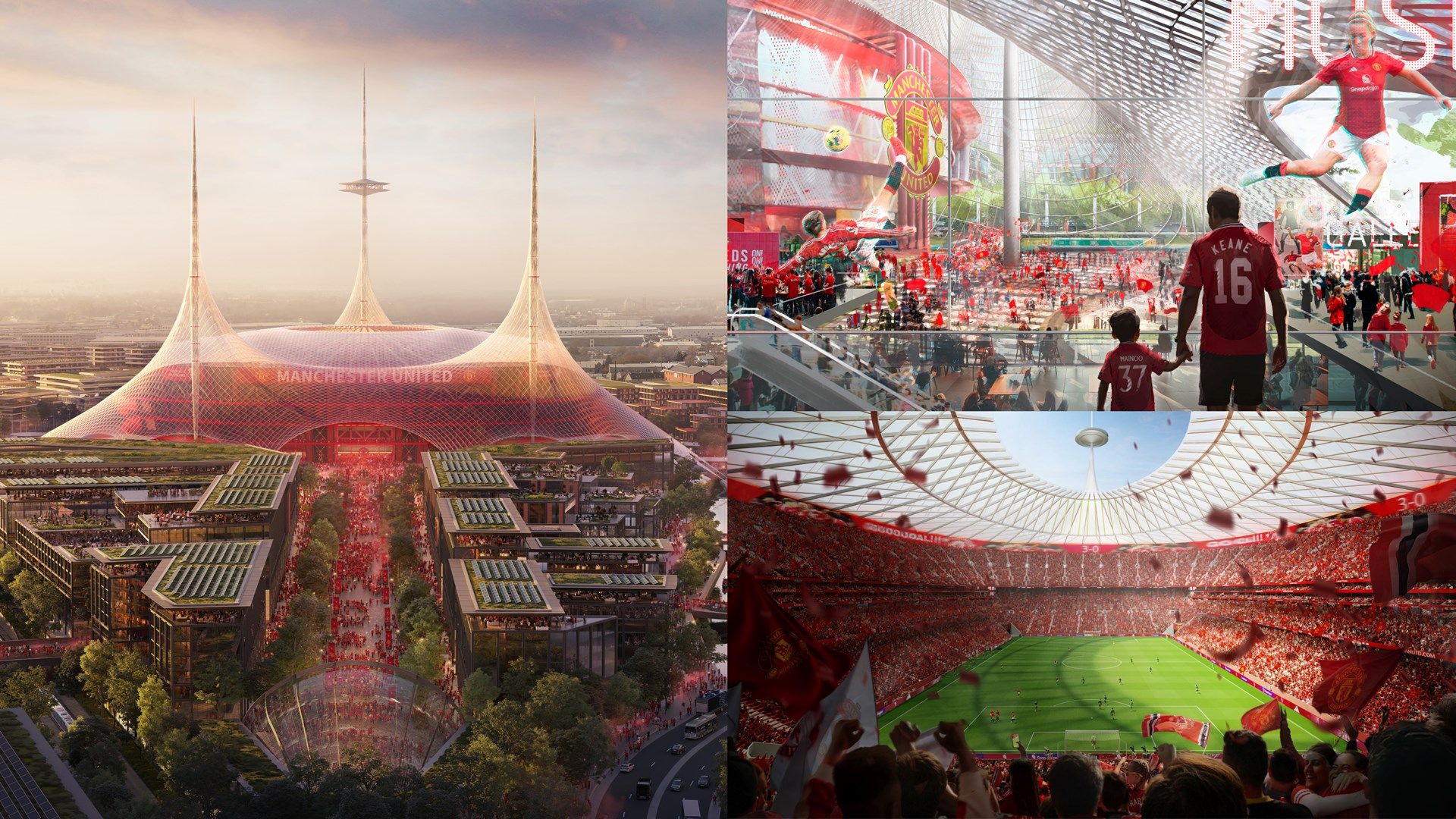
Manchester United stadium plans have hit a roadblock, with no set date for the completion of the anticipated £2 billion redevelopment of Old Trafford. Sebastian Coe, chair of the Old Trafford Regeneration Task Force, has emphasized the ongoing complexity surrounding land acquisition, making a clear timeline elusive for fans and stakeholders alike.
Manchester United Stadium Plans: Ambition Meets Reality
Manchester United stadium plans for a world-class, 100,000-seater “Wembley of the North” have captured imaginations, but Sir Jim Ratcliffe’s vision is now mired in logistical and legal challenges. Sebastian Coe, in a recent interview, clarified that, despite steady progress, the process of acquiring multiple land parcels around Old Trafford remains the biggest barrier. “It’s slightly uncertain at the moment,” Coe explained. “We’re moving in the right direction, but land acquisition is rarely straightforward.”
Land Acquisition Issues Slow Progress
The scale of the Manchester United stadium plans demands extensive land around the current site. Coe pointed out that piecing together a suitable footprint for such a massive venue is a slow, incremental undertaking. Each required parcel brings its own negotiations, legal reviews, and financial considerations. “Securing enough space is complex,” he said, adding that this sequential approach means that any firm completion date is still some way off.
Regeneration Beyond the Pitch
These Manchester United stadium plans are not just about football. The proposed Old Trafford development is set to catalyze wider regeneration across Trafford, with ambitious proposals for new housing, educational facilities, and job creation. Drawing on his London 2012 Olympics experience, Coe highlighted the “multiplier impact” of such projects for local communities. “Sport can drive investment and accelerate change,” he noted, “but only when the groundwork is laid properly.”
Task Force Recommendations and Timelines
The Old Trafford Regeneration Task Force is expected to deliver its final recommendations by the end of 2026. This report will offer a decisive roadmap for the Manchester United stadium plans, including the stadium’s final location and comprehensive plans for the broader 370-acre site. However, until land ownership is finalized and cleared for construction, the timeline for breaking ground—and ultimately opening the new stadium—remains uncertain.
Lessons from London 2012 Applied to Manchester
Coe emphasized that major regeneration projects require patience. He recalled how careful sequencing and community-focused planning in London accelerated positive change around the Olympic Park. “Land acquisition always takes time,” Coe explained. “But with the right approach, a world-class stadium can be a catalyst for jobs, housing, and educational aspirations. We are committed to doing this right.”
What’s Next for Manchester United Stadium Plans?
In the coming months, Manchester United’s legal and financial teams will intensify efforts to conclude land deals. The club’s leadership eagerly awaits the task force’s final recommendations, hoping to transition from planning to actual construction. The patience of fans will be tested, but if the vision is realized, the new stadium promises to transform both Manchester United and the wider Trafford community for generations.
Opinion: A Vision Worth the Wait
While some frustration is understandable, the Manchester United stadium plans represent a rare chance to reimagine a footballing landmark and its surroundings. The careful, incremental approach may be slow, but it’s clear that prioritizing community needs and legal certainty is the best way forward. For fans eager for progress, the wait could well be worth it if the finished project delivers on its ambitious promises. Stay tuned for more news as developments unfold.
Your global gateway to nonstop football coverage:
News Goal
Share this content: